
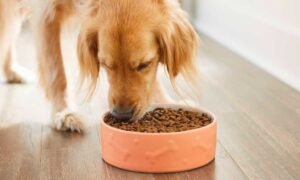
When considering what food to feed dog, prioritize high-quality commercial options that meet AAFCO nutritional standards; this is the safest way to ensure a balanced diet that avoids nutrient deficiencies or toxic ingredients.
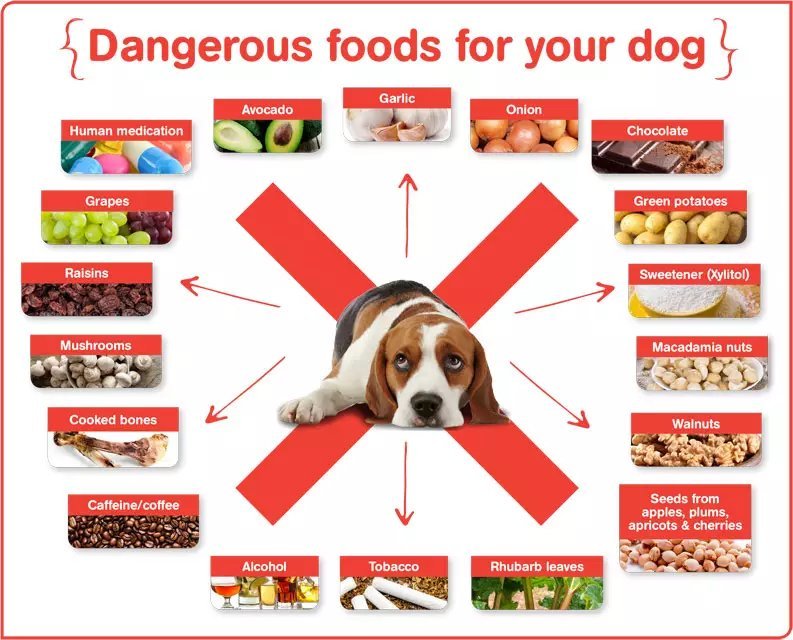
A balanced diet for a dog requires a precise ratio of protein, fats, vitamins, and minerals. If your dog is a puppy, they need more calories for growth; if they’re a senior, they often require fewer calories to prevent obesity. The most common mistake is feeding dogs human leftovers, which often contain high salt, fat, or ingredients like onions and garlic that are toxic to canine digestive systems.
What food to feed dog: Choosing the right diet
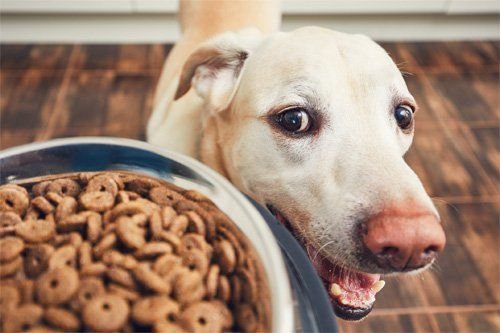
- Select a formula labeled for your dog’s specific life stage, such as “puppy,” “adult,” or “senior,” to ensure the nutrient density matches their metabolic needs.
- Calculate the daily portion based on the weight listed on the manufacturer’s bag, as calorie density varies significantly between dry kibble and canned wet food.
- Divide the daily total into two equal meals to maintain stable blood sugar levels and reduce the risk of bloat, especially in large, deep-chested breeds.
- Measure each portion using a standard kitchen scale or a measuring cup rather than estimating by eye, as overfeeding is a leading cause of canine obesity.
- Transition your dog to a new food slowly over 7 to 10 days by mixing increasing amounts of the new food with decreasing amounts of the old.
- Provide constant access to fresh, clean water in a stainless steel or ceramic bowl to support proper kidney function and digestion.
Tip: If your dog refuses to eat for more than 24 hours or shows signs of vomiting, stop the transition and consult your veterinarian immediately.
Tip: Always consult your veterinarian before offering any table scraps or treats to ensure they’re safe for your dog.
Typical Feeding Durations
The time it takes to see the effects of a diet change depends on the dog’s age, activity level, and the quality of the new food.
| Situation | Timeline | Primary Variable | Watch For |
|---|---|---|---|
| Food transition | 7–10 days | Digestive sensitivity | Loose stools or gas |
| Weight loss plan | 4–8 weeks | Calorie restriction | Body condition score |
| Coat health change | 6–8 weeks | Fatty acid levels | Skin dryness or sheen |
If your dog displays persistent lethargy or poor coat quality after eight weeks on a new diet, consult a veterinarian to rule out underlying health issues or specific nutrient malabsorption.
Recognizing Optimal Health

You can tell your dog is thriving when they maintain a steady weight with a visible waistline when viewed from above. Their coat should be shiny without excessive dander, and their stool should be firm, consistent, and easy to pick up. If the dog is active, has bright eyes, and shows enthusiasm at mealtime, the diet is likely appropriate. If they seem constantly hungry or lose muscle mass, the current calorie count or protein quality may be insufficient for their activity level.
Mistakes That Ruin Nutrition
- Feeding based on volume alone: Different brands have vastly different caloric densities, so feeding by weight is the only way to avoid rapid weight gain.
- Ignoring the ingredient list: Many budget foods use fillers like corn or soy as primary ingredients rather than high-quality animal proteins; always look for a named meat source as the first ingredient.
- Frequent diet rotation: Changing brands too often without a transition period causes gastrointestinal distress; stick to one high-quality formula unless a vet advises a change for health reasons.
- Excessive treat consumption: Treats should never exceed 10% of a dog’s total daily caloric intake, as they’re rarely nutritionally complete and quickly lead to obesity.
Frequently asked questions
Can I feed my dog raw meat?
Feeding raw meat carries significant risks of bacterial contamination, such as Salmonella and Listeria, which can affect both the dog and your household members. If you choose this path, you must ensure the diet is nutritionally balanced by a veterinary nutritionist, as raw muscle meat alone lacks the calcium and minerals dogs require.
How much water should a dog drink?
A healthy dog typically drinks between 0.5 and 1 ounce of water per pound of body weight daily. This varies depending on the ambient temperature, the dog’s activity level, and whether they eat dry kibble or wet food, which contains more moisture. Monitor for sudden, dramatic changes in thirst, as these can indicate illness.
Is grain-free food better for dogs?
There’s no evidence that grain-free food is healthier for the average dog unless they have a confirmed grain allergy. Recent investigations have explored a potential link between grain-free diets and heart issues in some dogs, so consult your veterinarian before switching to a diet that excludes grains entirely.
What should I do if my dog eats chocolate?
Chocolate contains theobromine, which is toxic to dogs and can cause heart arrhythmias or seizures. If your dog eats any amount of dark or baker’s chocolate, contact your veterinarian or an animal poison control center immediately to calculate the risk based on the dog’s weight and the type of chocolate.
Can dogs eat human food?
Dogs can safely eat some human foods, such as plain cooked chicken, carrots, or green beans, but these should be treated as occasional snacks. Never feed them grapes, raisins, onions, garlic, or anything containing xylitol, as these can cause immediate organ failure or severe toxic reactions even in small amounts.
Final Thoughts
When you’re unsure about your pet’s specific needs, don’t hesitate to schedule a quick visit with your local veterinarian. They’ll help you tailor a meal plan that fits your dog’s unique lifestyle perfectly. It’s a simple step that’ll give you peace of mind while keeping your furry friend happy and healthy.