
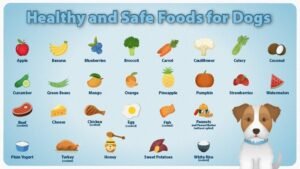
When considering what food is recommended for dogs, high-quality commercial kibble or wet canned food is the standard. These products provide a balanced mix of proteins, fats, and essential minerals tailored to support a canine’s specific life stage, size, and activity level.
Recommended food for your dog
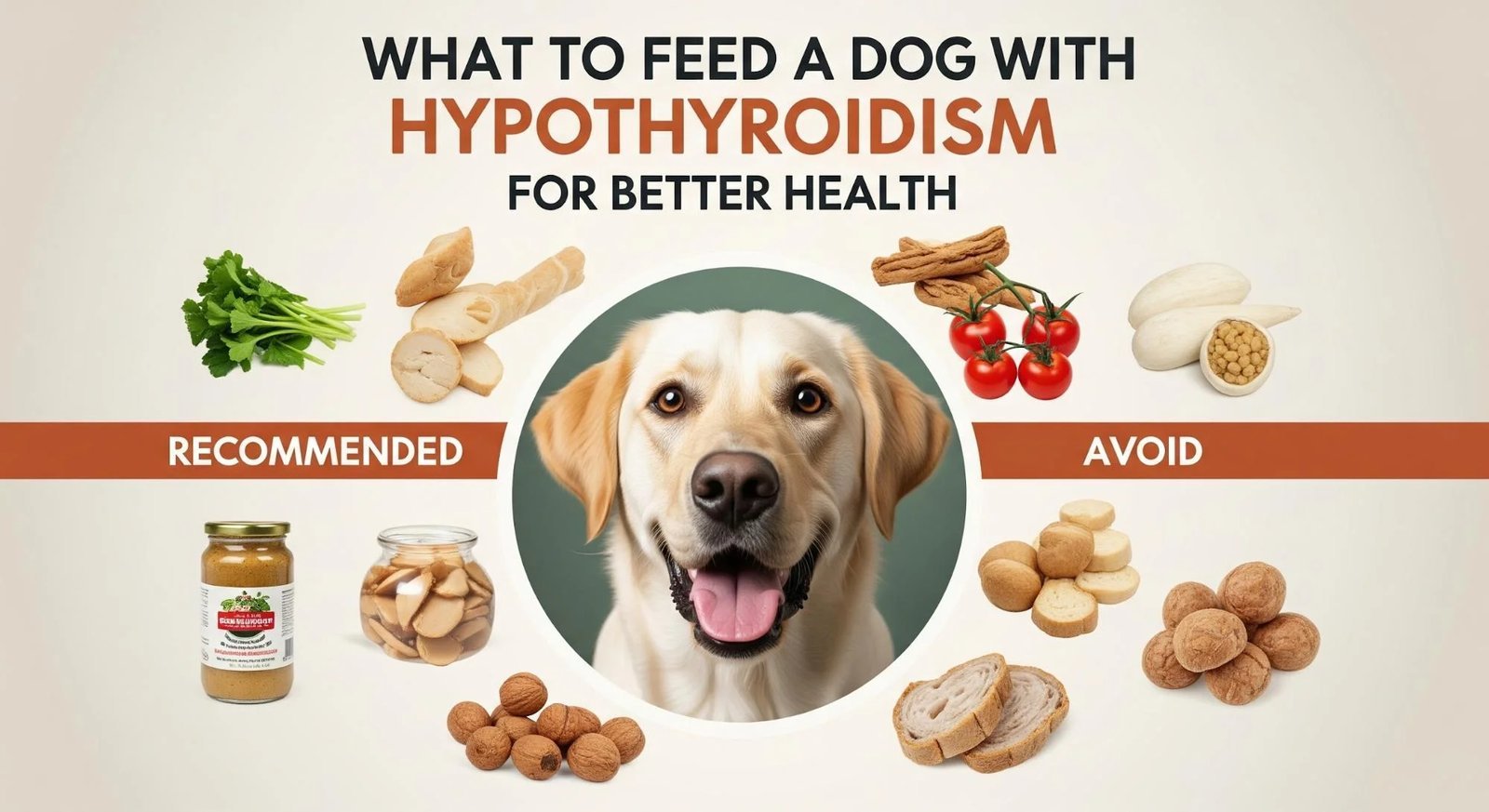
- Choose products labeled “complete and balanced” for your dog’s specific life stage.
- Check the ingredient list for a named animal protein, such as chicken or beef, as the first item.
- Avoid feeding human foods like grapes, onions, garlic, or chocolate, as these are toxic.
- Measure portions using a standard kitchen scale to prevent obesity, rather than guessing by volume.
- Transition to a new diet slowly over 7 to 10 days to avoid digestive upset.
- Consult your veterinarian before starting any supplement or specialized diet for a health condition.
Why balanced nutrition matters
The biological needs of a dog require a precise ratio of nutrients to maintain organ function and coat health. AAFCO, the Association of American Feed Control Officials, sets the nutrient profiles for dog food that ensure a product contains the necessary vitamins and minerals for growth or maintenance. If a food doesn’t meet these standards, it may lack the taurine, calcium, or phosphorus required to keep a dog healthy.
The mechanism behind these requirements is based on the dog’s metabolism, which processes animal-based proteins differently than plant-based fillers. If you feed a diet too high in starch but low in protein, your dog may lose muscle mass over time. Conversely, excessive caloric intake leads to weight gain. Because every dog is unique, you must monitor body condition scores and adjust the daily intake based on your individual pet’s metabolic rate and daily exercise.
When the answer is different
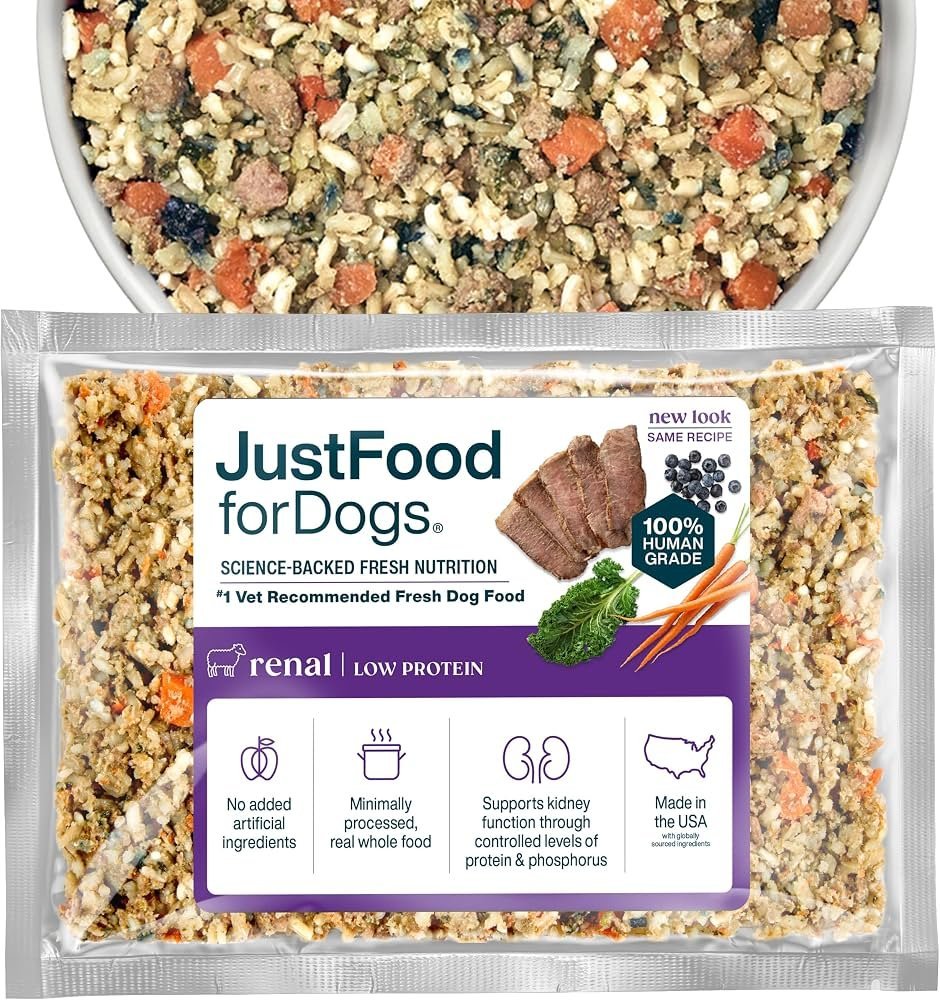
| Situation | What changes | What to do instead |
|---|---|---|
| Puppy | Higher protein, calories | Buy puppy-specific formula |
| Senior | Lower calorie, lower salt | Switch to senior blend |
| Allergies | Novel protein source | Use limited ingredient diet |
| Obesity | Controlled calorie count | Feed weight management food |
| Pregnancy | High energy density | Use high-calorie performance food |
How to do it properly
- Identify your dog’s current life stage, as a puppy needs more calories per kilogram of body weight than a sedentary senior dog.
- Select a bag or can that’s appropriate for their life stage to ensure the nutritional density is correct for them.
- Calculate the daily amount based on the feeding guide on the label, which usually provides a range based on the dog’s weight.
- Weigh the food using a digital kitchen scale, because measuring by volume with a cup often leads to overfeeding by 20 percent.
- Mix 25 percent of the new food with 75 percent of the old food for the first three days to prevent stomach issues.
- Increase the new food ratio gradually until you reach 100 percent by the tenth day, observing the dog for any signs of discomfort.
The mistakes that ruin it
- Feeding from the table leads to begging behaviors and creates a risk of obesity from hidden calories.
- Switching brands abruptly causes severe diarrhea and vomiting due to the dog’s sensitive gut bacteria.
- Adding “toppers” without adjusting the main meal portion results in unintended weight gain.
- Ignoring the expiration date can lead to rancid fats in the kibble, which causes a loss of nutritional value.
Frequently asked questions
Can I feed my dog raw meat?
Feeding raw meat carries a significant risk of bacterial contamination like Salmonella. If you choose this path, you must handle all equipment with extreme sanitation and ensure the diet is balanced with calcium and vitamins, which is difficult for an owner to do safely alone.
How long should a puppy eat puppy food?
Puppies should transition to adult food once they reach 80 to 90 percent of their expected adult weight. This usually happens between 9 and 12 months for small breeds, while large breeds may need puppy-specific nutrition until they are 18 months old.
Is grain-free food better?
Grain-free food isn’t better for most dogs and is only recommended by vets if a specific grain allergy is confirmed. There’s no scientific evidence that grains are harmful to healthy dogs, and they provide necessary fiber and energy for daily activity.
How do I know if my dog is overweight?
You should be able to feel your dog’s ribs easily without pressing hard, and they should have a visible waist when viewed from above. If you can’t feel the ribs or see a waist, consult your vet to adjust their caloric intake.
Does the price of dog food matter?
Price often reflects the quality of ingredients, but it isn’t the only factor. A higher price can mean more animal protein and fewer fillers, but you must always read the label to confirm the nutrient profile matches your dog’s needs.
What happens if I feed my dog too much?
Feeding too much leads to joint stress, diabetes, and heart disease. If you notice your dog gaining weight, reduce their daily portions by 10 percent and increase their daily exercise, then re-evaluate their body condition after four weeks.
Final Thoughts
Before you switch your pet’s diet, it’s a great idea to chat with your local veterinarian. They’ll help you choose the right brand for your dog’s unique health needs. Once you’ve settled on a plan, you’ll feel confident that you’re giving your furry friend the very best nutrition for a long, happy life.