
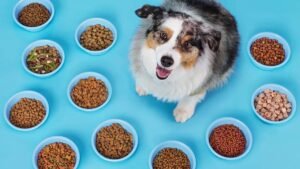
If you are wondering what food is really good for dogs, lean protein like chicken, turkey, and beef, plus cooked carrots and green beans, are excellent additions.
High-quality dog food often relies on a mix of animal protein and fiber to keep a canine healthy. The main mistake owners make is sharing table scraps that contain hidden ingredients like xylitol or excess fat. These ingredients can cause digestive distress or severe toxicity in dogs. If you’re unsure about a specific food, always check the American Veterinary Medical Association guidance before offering it. This list clarifies which human foods pose a real danger to your pet.
Good food for dogs
- Prepare lean meats like chicken breast or white fish by boiling or baking them until they reach an internal temperature of 165°F to ensure all bacteria are destroyed.
- Steam vegetables such as broccoli, green beans, or carrots until they’re soft enough to chew, as raw, hard vegetables can be a choking hazard for smaller breeds.
- Remove all seeds, pits, and stems from fruits like apples, as these parts can contain toxins or cause intestinal blockages.
- Measure portion sizes carefully, ensuring that these treats make up no more than 10% of your dog’s daily caloric intake to prevent weight gain.
- Introduce new foods one at a time to monitor for allergic reactions or stomach upset, starting with a very small amount like a single teaspoon. Tip: If your dog has a known history of pancreatitis, avoid all fatty meats and skin, as even small amounts can trigger a painful flare-up. Tip: Never use butter, oils, or spices when cooking, as these increase the risk of digestive inflammation regardless of the base ingredient.
How long it takes
| Food Item | Preparation Time | Cooking Method | What to watch for |
|---|---|---|---|
| Chicken breast | 15–20 minutes | Boiling | Ensure no pink remains |
| Green beans | 5–8 minutes | Steaming | Soft texture |
| Sweet potato | 25–30 minutes | Baking | Cool fully before serving |
| White fish | 10–12 minutes | Poaching | Remove all hidden bones |
If your dog refuses to eat or shows signs of lethargy after a new food, stop feeding it immediately and consult your veterinarian for advice.
How to tell when it’s done
Meat is done when it reaches a safe internal temperature of 165°F, which you can verify using a digital food thermometer. For vegetables, doneness is defined by a fork-tender texture; you should be able to pierce them easily without resistance. If you’re cooking fish, the flesh must be opaque and flake apart easily when pressed with a fork. Never rely on the appearance of the surface, as food can look cooked on the outside while remaining raw and dangerous in the center. Always cool the food to room temperature before placing it in your dog’s bowl to prevent mouth burns.
Mistakes that ruin it
- Adding seasonings: Garlic, onion, and chives are toxic to dogs and can cause anemia, so you should only cook with plain water or steam.
- Overfeeding treats: Giving too much human food fills the dog up on empty calories, which leads to obesity and keeps them from eating their nutrient-dense kibble.
- Ignoring fat content: High-fat scraps like bacon or skin are a common cause of pancreatitis, a serious condition that requires urgent veterinary care.
- Leaving bones in: Cooked bones become brittle and can splinter in a dog’s throat or stomach, so you must remove every trace of bone before serving.
Frequently asked questions
Can dogs eat raw eggs?
No, feeding raw eggs isn’t recommended because of the risk of Salmonella or E. coli bacteria. These pathogens can affect both the dog and the people in the home. Always cook eggs thoroughly until both the yolk and white are firm before offering them as an occasional treat.
Is it safe to feed dogs rice?
Yes, plain white or brown rice is safe and often used to help soothe an upset stomach. You must serve it boiled in water without any butter, oil, salt, or stock. Only feed small amounts as a temporary measure if your dog is experiencing mild digestive issues.
How much pumpkin can a dog have?
A dog can typically have one to four tablespoons of plain, canned pumpkin per day, depending on the dog’s size. You must ensure the product is 100% pure pumpkin and not a pie filling, which often contains harmful spices and high amounts of sugar or artificial sweeteners.
Can dogs eat peanut butter?
Yes, dogs can eat peanut butter as long as it doesn’t contain xylitol, which is a sweetener that’s highly toxic to dogs. Always check the label for ingredients and choose a natural, unsalted variety to avoid unnecessary additives that may harm your pet’s health.
What happens if my dog eats grapes?
If your dog eats grapes or raisins, you must contact a veterinarian immediately because these can cause sudden kidney failure. There’s no known safe amount of grapes for dogs, and even a single grape can be dangerous for some animals. Don’t wait for symptoms to appear.
Final Thoughts
Always check with your vet before you change your pup’s daily menu, as they’ll know what’s best for your dog’s unique health needs. It’s a great idea to introduce new treats slowly to see how they feel. You’ll be glad you took these small steps to keep your furry friend happy and healthy.