
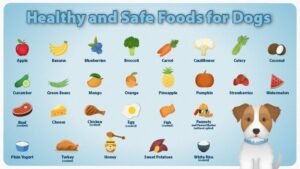
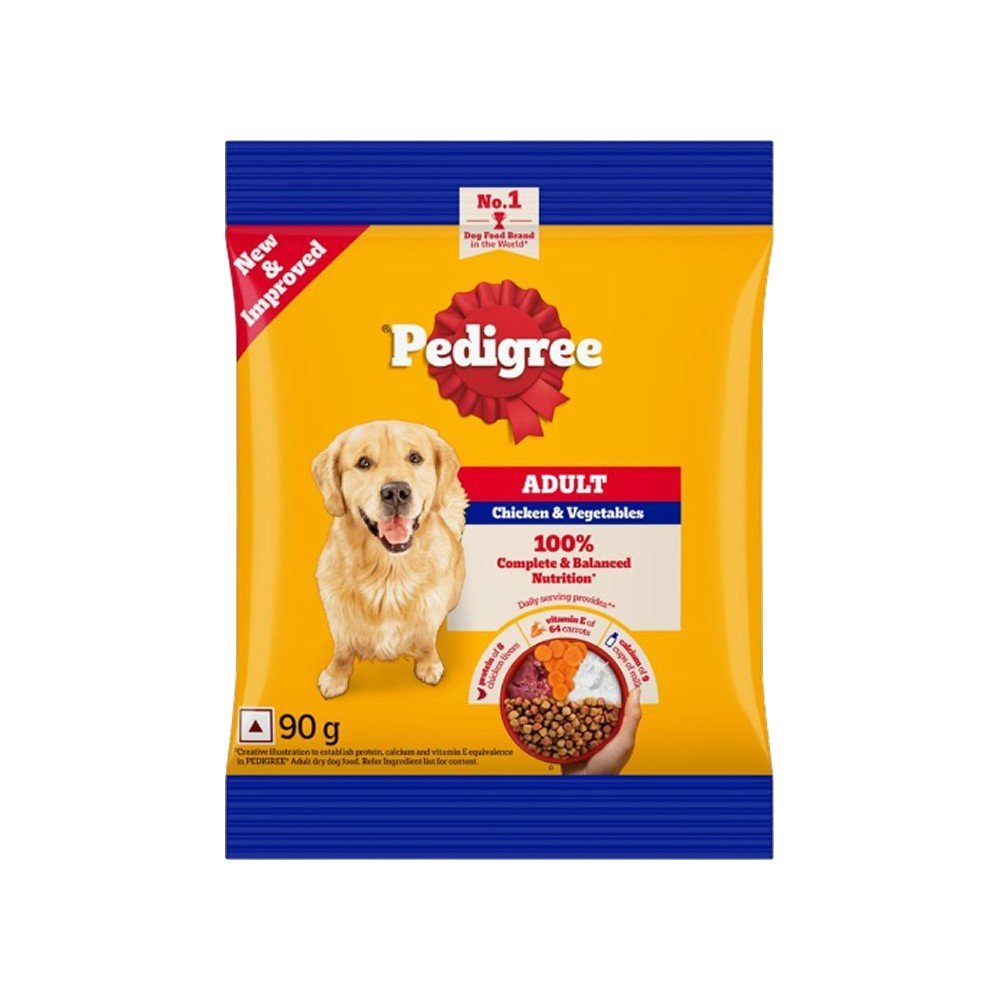
To determine what food is good for my dog, look for high-quality animal protein, healthy fats, and essential vitamins. Choose options that meet Association of American Feed Control Officials standards to ensure complete health.
The short version

- Pick foods with a named protein source, like chicken or beef, as the first ingredient.
- Check the label for a statement saying the food meets nutritional levels for your dog’s life stage.
- Avoid foods with vague labels like “meat meal” or “animal fat” without a specific species named.
- Limit treats to no more than 10% of your dog’s total daily caloric intake to prevent obesity.
- Ensure fresh water is available at all times, as digestion requires significant hydration for proper function.
- Consult your veterinarian before switching brands if your dog has known allergies or sensitive digestion.
What food is good for my dog: The basics of balanced nutrition
Dogs require specific nutrients to maintain energy levels and organ function throughout their lives. Protein provides the building blocks for muscles, while fats supply the energy needed for daily activity. Carbohydrates offer a source of fiber for digestive health, and vitamins support the immune system. When you select a product, you’re looking for a formula that provides these elements in the correct ratios. If you’re unsure about the quality of a specific brand, look for the nutritional adequacy statement on the back of the bag. This confirms the food has been tested or formulated to meet established standards. Never guess based on marketing claims on the front of the package. If a dog has a specific health condition, the manufacturer’s documentation will explain how their formula addresses those needs. Always check the official website of the pet food producer if you have questions about specific ingredients or their sourcing methods.
When the answer is different
| Situation | What changes | What to do instead |
|---|---|---|
| Puppy | Growth needs | Use designated puppy formulas |
| Senior | Calorie needs | Consult your veterinarian regarding appropriate caloric density for your senior dog |
| Allergy | Ingredient sensitivity | Use limited-ingredient diets |
| Pregnancy | Energy demand | Feed high-calorie nursing formulas |
| Weight gain | Calorie intake | Reduce portions or use light food |
How to do it properly
- Read the ingredient list to ensure a whole meat source, like salmon or turkey, is the primary component listed first.
- Verify the age-appropriateness by checking the packaging for “all life stages” or “growth and reproduction” for younger, active dogs.
- Measure the exact portion size using a standard measuring cup based on your dog’s current weight and activity level daily.
- Transition to new food slowly by mixing 25% new food with 75% old food, increasing the new portion regularly.
- Monitor your dog’s body condition by feeling their ribs; they should be easy to feel but not visible through the skin.
- Store dry food in an airtight container in a cool, dry area to prevent the fats from going rancid over time.
The mistakes that ruin it
- Feeding human table scraps often leads to dangerous weight gain and potential toxicity from hidden ingredients like onions.
- Changing food brands suddenly causes severe stomach upset and diarrhea, which can lead to dehydration in smaller breeds.
- Overfeeding based on “eye-balling” portions results in joint stress and long-term health issues linked to canine obesity.
- Ignoring expiration dates on bags causes your dog to eat spoiled fats, which creates an unpleasant smell and digestive pain.
Frequently asked questions
Can my dog eat human food?
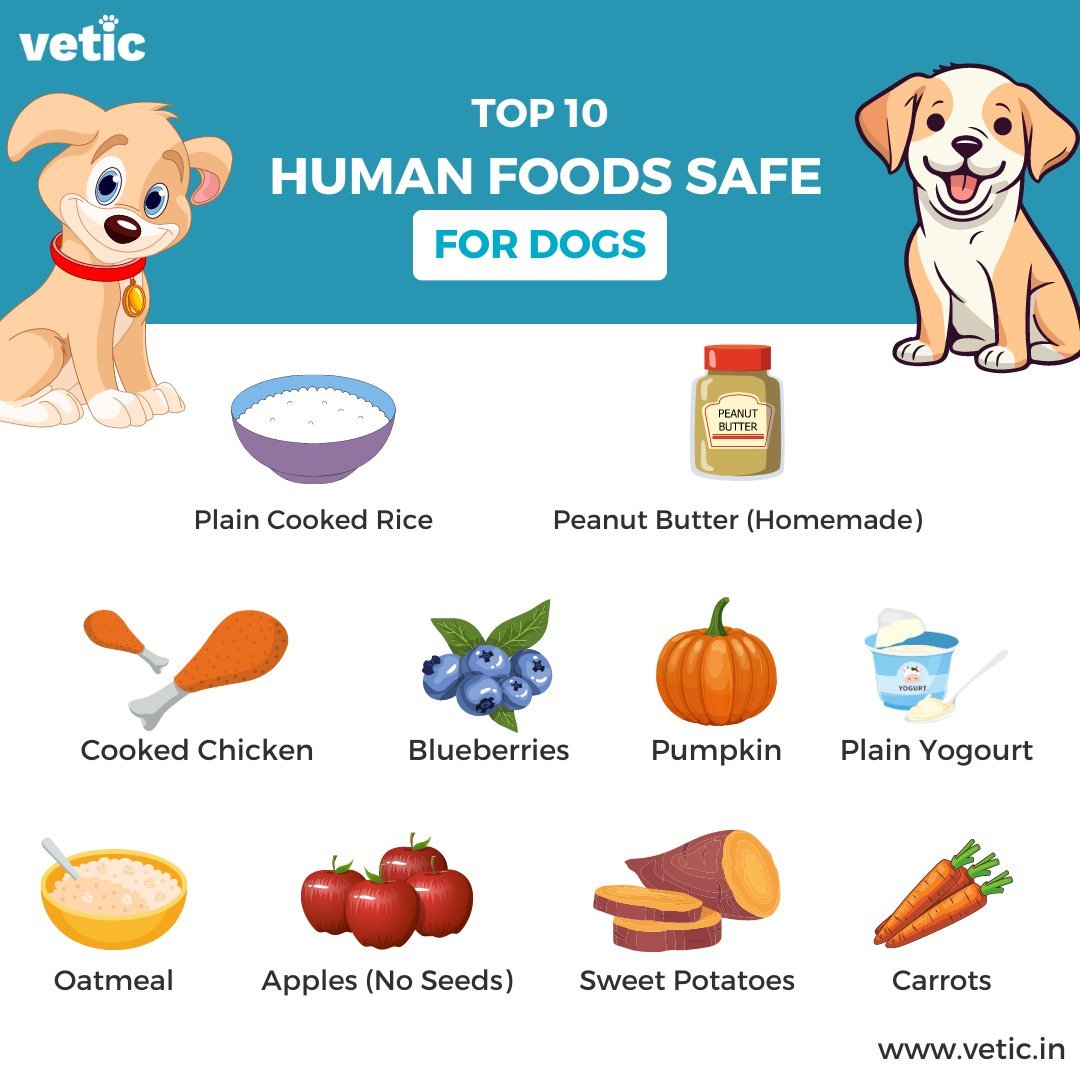
Some human foods like plain cooked chicken or carrots are safe, but many items like grapes, chocolate, and onions are toxic. Always check a reliable veterinary database before sharing your meal, as many common ingredients cause serious illness in dogs.
How do I know if my dog is allergic to their food?
Common signs of food allergies include chronic ear infections, itchy skin, and frequent digestive issues like vomiting. If you notice these symptoms, consult your veterinarian to discuss a food elimination trial to identify the specific ingredient causing the reaction.
Is grain-free food better for dogs?
No, grain-free food isn’t inherently better unless your dog has been diagnosed with a specific grain allergy by a veterinarian. Most dogs digest grains like rice or oats perfectly well and gain essential nutrients from them.
How often should I feed my dog?
Most adult dogs thrive on two meals per day to maintain steady blood sugar levels and consistent energy. Puppies require three to four smaller meals daily to support their rapid growth and prevent low blood sugar during the day.
Should I add vitamins to my dog’s food?
No, you shouldn’t add extra vitamins unless a veterinarian specifically prescribes them for a diagnosed deficiency. High-quality commercial dog food is already formulated to be nutritionally complete, and excess vitamins can lead to dangerous toxicity in your dog.
What happens if my dog eats spoiled food?
Your dog may experience vomiting, diarrhea, and lethargy after eating spoiled or moldy food. If you suspect your dog has consumed contaminated items, watch them closely for 24 hours and call your vet if symptoms don’t improve quickly.
Final Thoughts
Transitioning to a better diet doesn’t have to happen overnight. Start by slowly mixing a small amount of new, high-quality food into your dog’s current bowl over the next week. You’ll find that a gradual change helps their tummy adjust comfortably, so they’re happy and energetic for all your daily adventures together.