
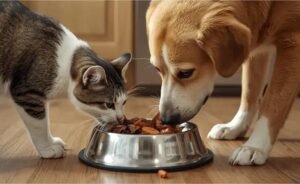
High-quality commercial diets that meet AAFCO standards are the best choice for dogs because these formulas provide a complete, balanced profile of nutrients. You should choose food where a named animal protein is the first ingredient, as this ensures your pet receives the essential amino acids they need for healthy muscle maintenance.
Selecting the right nutrition
The most important factor is choosing a diet that matches your dog’s specific life stage, such as puppy, adult, or senior. A common mistake people make is feeding “all life stages” food to a large-breed puppy; this can cause them to grow too quickly, leading to joint problems. Always check the label to confirm the food is formulated for your dog’s size and age.
Choosing better food for dogs
Photo: www.southseminoleanimalhospital.com on Google
- Calculate your dog’s daily caloric needs based on their weight and activity level, usually found on the back of the bag or via your vet.
- Measure every portion using a standard kitchen scale rather than a cup to prevent accidental overfeeding and weight gain.
- Transition to a new food slowly over 7 to 10 days by mixing increasing amounts of the new diet with the old one to avoid stomach upset.
- Keep fresh water available at all times, as dry kibble contains less than 10% moisture and requires extra hydration for proper digestion.
- Store dry food in a cool, dry place inside an airtight container to maintain freshness and prevent the growth of mold or bacteria.
Tip: If your dog refuses to eat, don’t force them; if they skip more than two meals, it’s time to call a professional.
How long it takes
The timeframe for switching food or seeing results varies significantly based on the dog’s sensitivity.
| Situation | How long | What changes it | What to watch for |
|---|---|---|---|
| Normal transition | 7–10 days | Dog’s gut sensitivity | Soft stools or gas |
| Weight loss plan | 3–6 months | Starting body condition | Gradual weight change |
| Dietary trial | 8–12 weeks | Severity of allergies | Skin or gut improvement |
If your dog experiences diarrhea for more than 48 hours during a transition, return to the previous food and contact your veterinarian immediately.
How to tell when it’s done
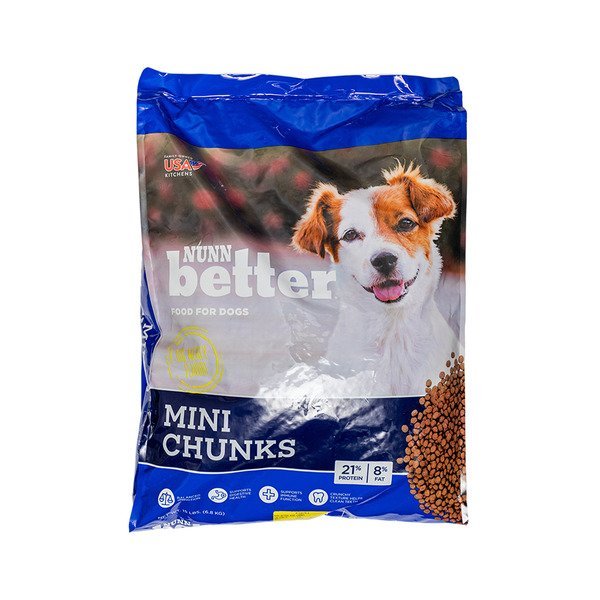
You can’t measure “doneness” for dog food, but you can measure your dog’s health. Monitor their coat for shine, their energy levels during play, and the consistency of their stool. A healthy dog should have firm, regular bowel movements and maintain a stable weight. The most reliable test is a body condition score check performed by a vet; if you can easily feel their ribs without seeing them, your dog is likely at an ideal weight.
Mistakes that ruin it
- Sudden diet changes: Changing brands overnight often results in severe vomiting or diarrhea because the dog’s gut bacteria can’t adapt to the new ingredients quickly. Always use a gradual transition period.
- Adding too many table scraps: Sharing human food adds hidden calories and can lead to obesity or pancreatitis, especially with fatty foods like bacon or cheese. Stick to dog-specific treats for rewards.
- Ignoring portion guidelines: Guessing the amount to feed often leads to unintended weight gain, which puts extra stress on a dog’s joints and heart. Use a scale to measure portions accurately every single day.
Frequently asked questions
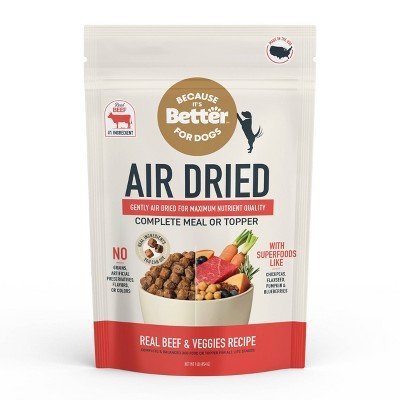
Can I feed my dog raw food?
Yes, you can feed raw food, but it carries a high risk of bacterial contamination like Salmonella for both the dog and your family. If you choose this path, you must handle the meat with the same safety precautions you use for raw chicken in your own kitchen.
Is grain-free food better for dogs?
No, grain-free food isn’t inherently better for dogs unless they have a medically diagnosed grain allergy. Most dogs digest grains like rice or oats perfectly well, and these provide necessary fiber and energy for their daily activities.
How long can I keep dry dog food?
Why is my dog eating grass?
It’s often an instinctual behavior, but it can sometimes indicate an upset stomach or a lack of fiber in their current diet. If the behavior is sudden or frequent, consult your veterinarian to rule out underlying digestive issues.
Is it safe to mix wet and dry food?
Yes, it’s perfectly safe to mix wet and dry food as long as you account for the total calories from both sources. This method is often helpful for picky eaters, but you must reduce the dry portion to avoid overfeeding.
Final Thoughts
Ultimately, your dog’s health depends on consistent, high-quality nutrition tailored to their unique needs. Since every pup is different, you shouldn’t hesitate to consult your veterinarian before making a major switch. They’ll help you find the perfect balance that keeps your furry friend happy, energetic, and thriving for years to come.