
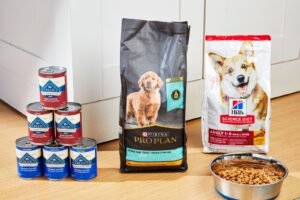
The best food for your dog is a balanced diet with clear nutritional labeling, provided it meets the life stage requirements of your pet. You must prioritize products that follow the standards set by the Association of American Feed Control Officials.
The short version
- Choose food labeled for your dog’s specific life stage: puppy, adult, or senior.
- Verify the packaging has a nutritional adequacy statement confirming it’s complete and balanced.
- Check the ingredient list for a named protein source, like chicken or beef, as the first item.
- Measure portions using a standard kitchen scale to prevent obesity, as caloric needs vary by activity level.
- Consult your veterinarian before choosing specialized diets, such as grain-free or raw, to ensure they’re safe.
- Transition to new food slowly over 7 to 10 days to avoid digestive upset.
What food is best for my dog: Nutritional needs
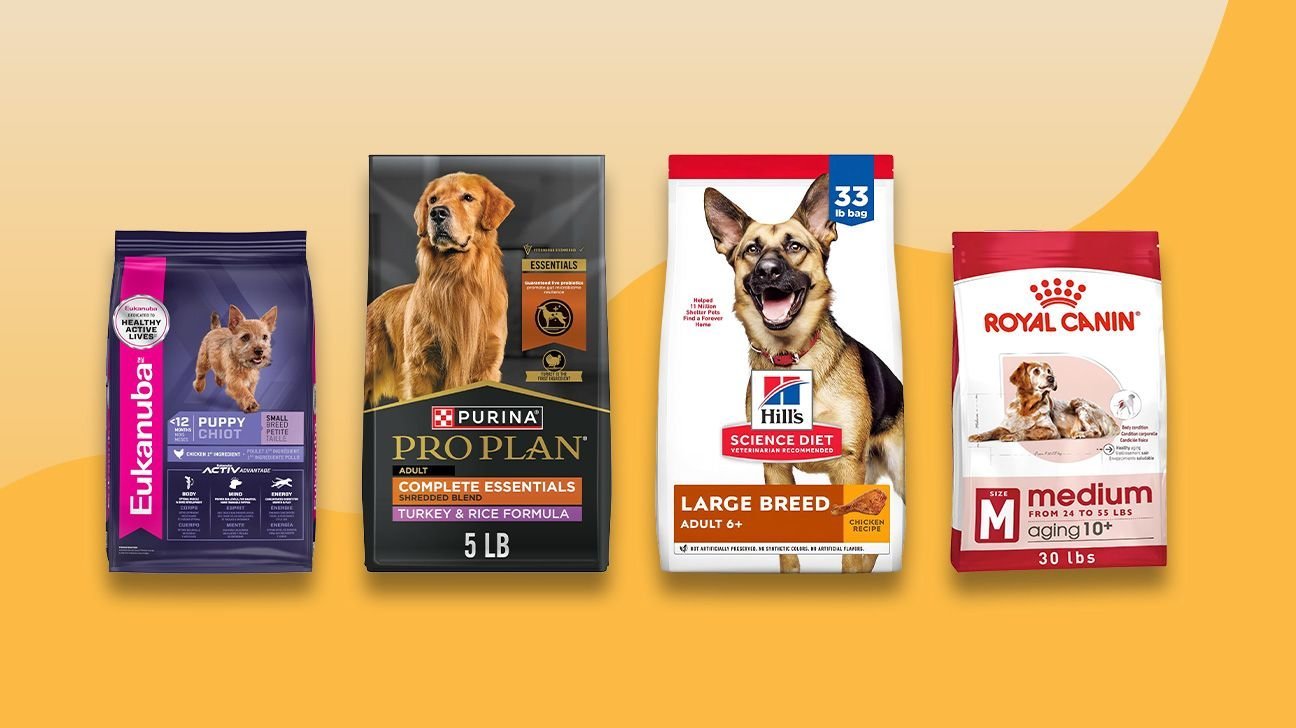
Selecting the right nourishment depends on the specific biological needs of your animal. Every dog requires a precise balance of proteins, fats, vitamins, and minerals to maintain organ health and muscle mass. You should always look for a label that states the food is “complete and balanced,” which means it provides all necessary nutrients in the correct ratios for a specific life stage. If you choose a product for “all life stages,” ensure it’s actually appropriate for the age of your pet. If you’re unsure about a specific brand, check their official website for their testing protocols. Never assume that human-grade ingredients automatically make a meal safer or more nutritious for your pet if the final formula lacks the necessary scientific balance.
When the answer is different
| Situation | What changes | What to do instead |
|---|---|---|
| Puppy under one year | Higher protein and fat | Use growth-specific formulas |
| Senior dog | Fewer calories per cup | Switch to low-calorie senior |
| Working breed | High energy density | Increase caloric intake daily |
| Sensitive stomach | Limited ingredient diet | Consult a veterinary nutritionist |
| Allergic reaction | Novel protein sources | Use vet-prescribed hypoallergenic food |
How to do it properly
- Check the weight of your dog to determine the daily caloric requirement using the chart on the bag.
- Use a measuring cup to scoop the exact amount of kibble recommended for your dog’s current weight and activity.
- Divide the total daily amount into two separate meals to keep energy levels stable throughout the day for your pet.
- Add a small amount of warm water or low-sodium broth if your dog struggles with dry kibble texture or hydration.
- Monitor your dog’s body condition score by feeling for ribs; you should feel them easily without pressing hard.
- Store the remaining food in an airtight container in a cool, dry place to prevent fats from going rancid.
The mistakes that ruin it
- Feeding from the table leads to nutrient imbalances and potential toxicity from common human foods like onions or grapes.
- Choosing food based solely on marketing claims rather than the nutritional adequacy statement often results in poor health.
- Free-feeding throughout the day makes it impossible to track intake, which frequently leads to obesity and joint issues.
- Changing brands abruptly causes severe gastrointestinal distress, including vomiting, diarrhea, and loss of appetite for your dog.
Frequently asked questions
Can I feed my dog human food?
No, you shouldn’t feed your dog human food as a primary diet because it lacks the specific nutrient balance dogs need. While small amounts of plain vegetables are usually safe, most human meals contain seasonings and fats that cause digestive problems.
How long should a puppy stay on puppy food?
Puppies typically stay on growth formulas until they reach their adult size, which varies by breed. Small breeds often transition at 9 to 12 months, while larger breeds may need puppy-specific nutrition until they are 18 to 24 months old.
Is grain-free food better for dogs?
No, grain-free food isn’t inherently better unless your dog has a medically diagnosed allergy to specific grains. Most dogs digest grains easily, and you should only switch to grain-free diets if your veterinarian confirms it’s necessary for health.
What happens if my dog eats too much?
Overeating leads to rapid weight gain, which puts dangerous stress on your dog’s heart and joints. If you notice your dog has gained weight, reduce their daily portions slightly and increase their physical activity levels while monitoring their body condition.
How do I know if the food is high quality?
Look for a statement on the label that the food meets the standards set by the Association of American Feed Control Officials. High-quality foods list a specific, named animal protein as the first ingredient rather than vague terms like “meat meal.”
Does the price of dog food matter?
Yes, price often reflects the quality of sourcing and the amount of research behind the formula. More expensive brands usually invest in feeding trials to prove the food is healthy, whereas cheaper brands may prioritize low-cost fillers that offer less nutrition.
Final Thoughts
Choosing the right bowl filler doesn’t have to be overwhelming. If you’re still unsure, don’t hesitate to schedule a quick chat with your veterinarian. They’ll help you tailor your pup’s meals to their unique health needs, ensuring they’ve got all the energy they need for your next big adventure together.