
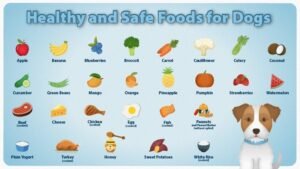
What food to feed dogs depends on their age, size, and activity level; you should provide a balanced diet of commercial dog food labeled as “complete and balanced” for your pet’s life stage. These diets are formulated to meet the nutritional standards set for canine health and metabolic needs.
Best food to feed your dog
The primary decision rule is simple: if the dog is a puppy, feed a formula labeled for “growth”; if the dog is an adult, choose a “maintenance” formula. This ensures they get the right protein and mineral ratios for their specific developmental phase.
The most common mistake owners make is adding “human food” toppers to every meal without adjusting the total calories. This often leads to obesity, which puts unnecessary stress on a dog’s joints and heart over time.
Establishing a healthy feeding routine
- Choose a high-quality commercial diet that meets AAFCO nutrient profiles for dogs to ensure the recipe provides all essential amino acids, vitamins, and minerals.
- Measure the daily intake using a standard kitchen scale rather than a cup, as kibble density varies by brand and batch.
- Divide the total daily amount into two equal meals for adults to keep energy levels steady and prevent bloating.
- Adjust the portion size by 10% if your dog’s body condition score changes or if their activity level drops due to age or injury.
- Provide fresh water in a clean bowl at all times, washing the dish with hot, soapy water daily to prevent biofilm buildup.
- Consult a veterinarian before starting any home-cooked diet, as balancing calcium, phosphorus, and trace minerals requires precise calculations that are difficult to replicate at home.
Tip: If you’re switching brands, mix the new food with the old gradually, starting with a small amount of new food and increasing the proportion over time to prevent stomach upset.
Timing your pet’s meals
Photo: www.thesprucepets.com on Google
| Life Stage | Daily Meals | Portion Control | Monitoring Needs |
|---|---|---|---|
| Puppy (up to 6 months) | 3 to 4 | Small, frequent | Rapid growth spurts |
| Adult (active) | 2 | Moderate | Consistent body weight |
| Senior (low activity) | 2 | Reduced calories | Joint and dental health |
If your dog leaves food in the bowl after 20 minutes, take it away and reduce the next portion slightly. This helps identify if you’re overfeeding or if the dog is feeling unwell.
Evaluating your dog’s condition
You can tell if the feeding plan is working by checking your dog’s physical state. A healthy dog should have a visible waist when viewed from above and a tucked-up abdomen when viewed from the side. You should be able to feel their ribs easily under a thin layer of fat, but the ribs shouldn’t be prominent or sharp. If the dog seems lethargic or the coat becomes dull, consult your vet to rule out underlying health issues. If the signs are confusing, the gold standard is a body condition score chart provided by your veterinarian.
Mistakes that ruin it
- Feeding table scraps as a main meal: This causes severe nutritional imbalances because human food lacks the specific micronutrient ratios dogs need. Stick to commercial food as the primary source and keep treats to less than 10% of daily calories.
- Ignoring the “life stage” label: Feeding puppy food to a sedentary adult leads to rapid weight gain, while feeding adult food to a growing puppy causes skeletal development issues. Always check the package for the specific life stage it’s designed to support.
- Free-feeding without limits: Leaving a bowl full of food out all day makes it impossible to track intake, often resulting in unintended weight gain. Measure every meal into a bowl and remove what isn’t eaten after 20 minutes.
Frequently asked questions
Photo: www.carecredit.com on Google
Can I feed my dog raw meat?
Feeding raw meat carries significant risks of bacterial contamination, such as Salmonella or Listeria, which can affect both the dog and the people in your home. Most veterinary associations advise against raw diets due to these safety concerns and the high risk of nutritional deficiencies if not professionally balanced.
How long should I feed puppy food?
You should feed puppy food until your dog reaches their first birthday, or as directed by your veterinarian based on their specific breed and growth rate. Large breeds often require puppy formulas for up to 18 to 24 months to ensure proper bone development and growth.
Is it safe to feed dogs cooked bones?
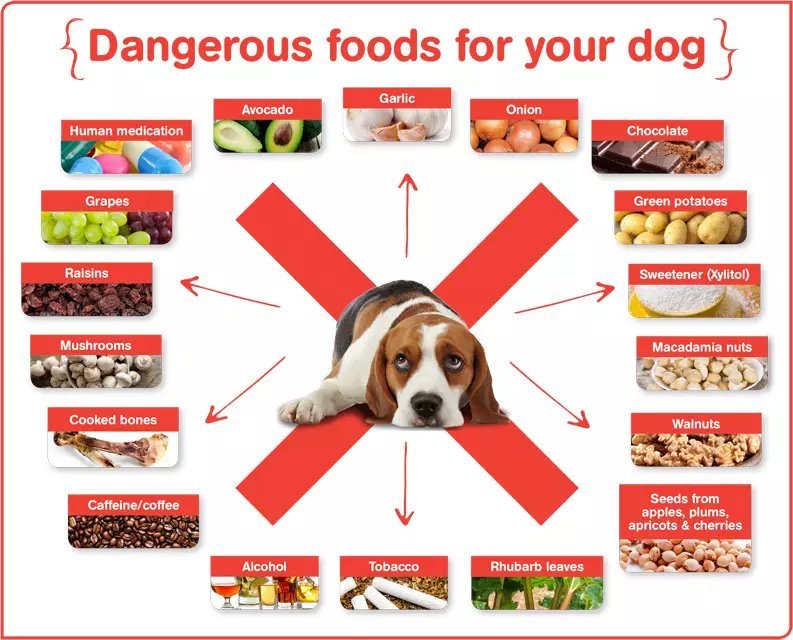
No, it isn’t safe to feed dogs any cooked bones because they become brittle and splinter easily. These splinters can cause severe damage to the mouth, throat, and digestive tract, often requiring emergency surgery to remove the sharp fragments from the intestines.
Why does my dog eat grass?
Dogs often eat grass due to boredom or a natural instinct, rather than a specific nutritional deficiency. While small amounts are usually harmless, monitor your dog to ensure they aren’t eating grass treated with pesticides or fertilizers that could be toxic.
What happens if I change my dog’s food too fast?
Changing food too quickly typically results in digestive upset, including diarrhea, vomiting, or significant gas. Always use a transition period of at least one week to allow the gut microbiome to adjust to the new ingredients and protein sources in the diet.
Final Thoughts
Your dog’s needs will shift as they get older, so it’s a good idea to keep an eye on their energy levels and coat condition. If you’re ever unsure about a new brand or dietary change, don’t hesitate to check in with your vet. They’ll help you make the right choice for your pup.