
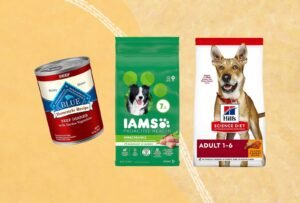
Determining what is actually the best dog food depends on finding a formula that meets the nutritional standards for your pet’s specific life stage and health needs. Labels must confirm the product meets Association of American Feed Control Officials profiles for complete and balanced nutrition.
What is actually the best dog food for your pet
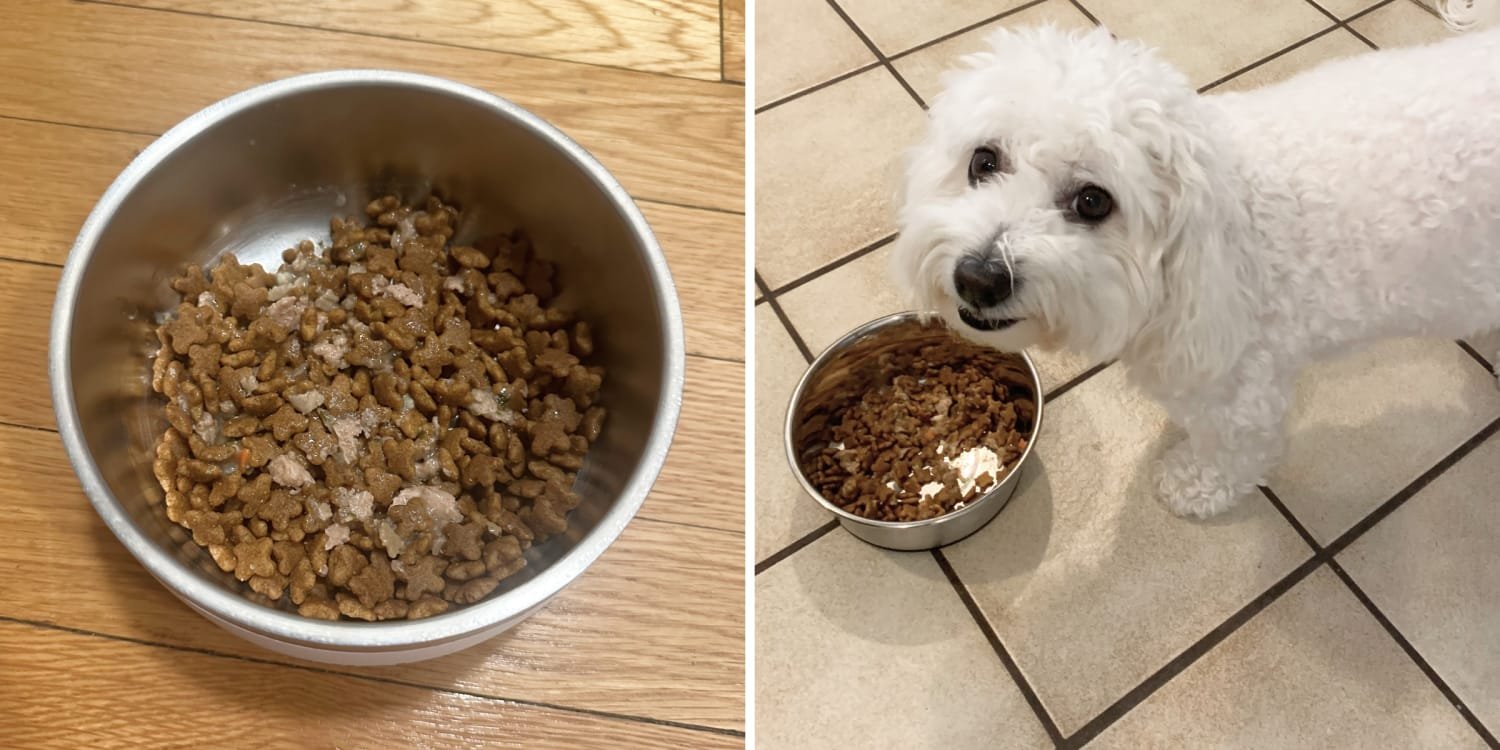
- Choose a food labeled for your dog’s specific life stage: puppy, adult, or senior.
- Check the ingredient list for a named protein source as the first ingredient.
- Avoid foods without a clear statement of nutritional adequacy on the packaging.
- Consult your veterinarian if your dog has specific health issues or allergies.
- Store dry kibble in a cool, dry place inside an airtight container.
- Transition to a new food slowly over seven days to prevent digestive upset.
Why pet nutrition requires specific labels
The nutritional needs of a dog change drastically based on age, activity level, and size. A growing puppy requires more protein and specific calcium-to-phosphorus ratios compared to a sedentary senior dog. When you pick a food, you must ensure the bag states it has passed the AAFCO feeding trials or meets their nutrient profiles. This certification ensures the food provides the essential vitamins, minerals, and amino acids required to prevent deficiencies. If a bag lacks this information, it isn’t guaranteed to be a complete diet for your animal. This varies by model — check the label on every bag you buy, as manufacturers sometimes change formulas without changing the outward appearance of the packaging. If your dog is healthy, a standard high-quality kibble works; if your dog has medical needs, you must use a prescription diet.
When the answer is different
| Situation | What changes | What to do instead |
|---|---|---|
| Puppy under one year | Needs higher calories | Select puppy-specific formulas |
| Senior dog | Needs lower calorie density | Switch to senior-labeled diets |
| Sensitive stomach | Requires limited ingredients | Use veterinary-approved bland diets |
| Large breed | Needs controlled growth | Use large-breed specific kibble |
| Active working dog | Needs higher fat content | Choose high-performance energy formulas |
How to do it properly
- Read the back of the bag to confirm the AAFCO statement is present for your dog’s current age.
- Identify a named animal protein like “chicken” or “beef” as the first ingredient in the list provided on the package.
- Mix 25% new food with 75% old food for the first two days to help your dog adjust to the change.
- Increase the new food to 50% on days three and four to monitor how your dog handles the different ingredients.
- Use 75% new food on days five and six, watching for any changes in stool consistency or skin health.
- Feed 100% new food by day seven if your dog shows no signs of vomiting, diarrhea, or loss of appetite.
The mistakes that ruin it
- Switching food brands abruptly causes severe digestive distress for most dogs.
- Overfeeding based on the bag’s general guidelines often leads to unhealthy weight gain.
- Adding too many human table scraps ruins the nutritional balance of the dog’s primary diet.
- Storing kibble in the garage risks pest contamination and quick spoilage of healthy fats.
Frequently asked questions
Can I feed my dog human food?
No, you can’t safely meet all nutrient requirements using only human food without professional guidance. Many common human foods are toxic to dogs, including onions, grapes, and chocolate, which cause serious organ damage.
How long does an open bag of dog food last?
About four to six weeks is the safe limit for dry kibble after opening. Exposure to air causes the fats to go rancid, which ruins the flavor and lowers the nutritional value.
Is grain-free food better for dogs?
No, grain-free food isn’t scientifically proven to be better for the average dog. Unless your veterinarian confirms a specific grain allergy, grains provide essential fiber and energy for your pet.
What should I do if my dog refuses to eat?
If your dog stops eating for more than 24 hours, you should contact your veterinarian immediately. Refusal to eat can be a sign of illness, dental pain, or a reaction to a bad batch of food.
Does it matter if I use wet or dry food?
No, both formats provide complete nutrition if they meet the proper standards. Dry food is often more convenient for storage, while wet food provides extra hydration for dogs that don’t drink enough water.
How do I know if my dog is allergic to their food?
Chronic itching, ear infections, and digestive issues are common signs of a food allergy. You should speak to your vet about a restricted trial diet to identify the specific ingredient causing the reaction.
Final Thoughts
Choosing the right meal isn’t just about reading labels; it’s about watching how your companion thrives day to day. If you’re still unsure about the best fit, don’t hesitate to schedule a quick chat with your vet. They’ll help you navigate the options so your dog stays happy, healthy, and full of energy.