
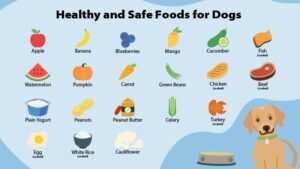
If you are wondering what foods are good for your dog, lean proteins, cooked vegetables, and specific grains are healthy options when part of a balanced diet.
Understanding nutritional needs
The primary factor in your dog’s health is the balance of nutrients, not just the individual ingredients. Most commercial pet foods are already formulated to meet these needs, so using them as a base is safer than home-cooking without veterinary guidance.
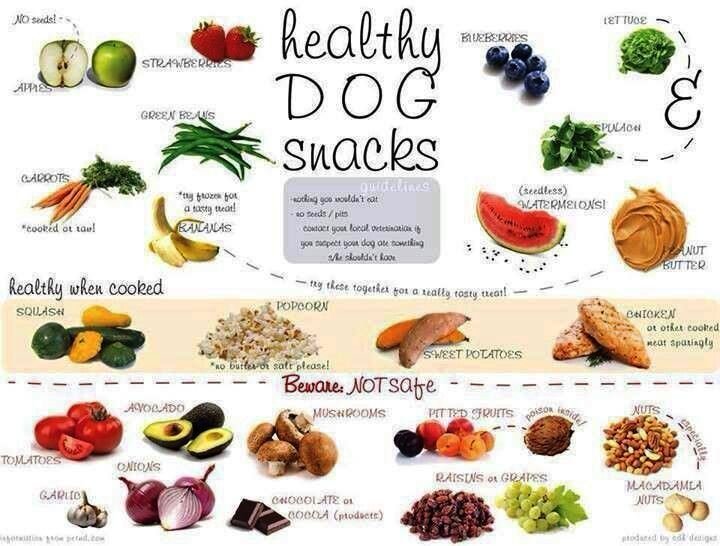
The most common mistake owners make is feeding human snacks that contain hidden toxins. Foods like onions, garlic, grapes, and chocolate can cause severe health issues, even in small amounts. Always verify if a food is safe before sharing it with your pet.
Preparing healthy meals
Photo: www.consumerreports.org on Google
- Select a high-quality protein source like skinless chicken breast or lean ground beef.
- Cook the meat thoroughly until it reaches an internal temperature of 165°F to ensure it’s safe for consumption, according to FoodSafety.gov’s safe minimum internal temperatures.
- Steam plain vegetables such as carrots, green beans, or sweet potatoes without adding salt, butter, or spices.
- Measure portions carefully to ensure the dog receives the correct caloric intake for their weight and activity level.
- Mix the cooked ingredients with a small amount of plain, cooked brown rice or oatmeal if your veterinarian recommends extra fiber. Tip: If you’re preparing a large batch, freeze individual portions to keep them fresh.
- Cool the food to room temperature before serving to prevent mouth burns. Tip: Always consult your veterinarian before changing your dog’s diet, especially if they have underlying health conditions.
How long it takes
Preparation time depends heavily on the type of ingredients and the cooking method you choose.
| Situation | How long | What changes it | What to watch for |
|---|---|---|---|
| Boiling chicken | 20 minutes | Size of pieces | Internal temperature |
| Steaming carrots | 10 minutes | Thickness of slices | Texture/Softness |
| Cooking rice | 45 minutes | Amount of water | Water absorption |
| Reheating leftovers | 2 minutes | Appliance power | Even heating |
If the food takes much longer to soften than the table suggests, your heat setting is likely too low; increase the temperature slightly but never leave the stove unattended.
How to tell when it’s done
You can tell food is ready by checking for a soft, tender texture that’s easy to chew. Meat should be firm and show no pink color in the center. Vegetables should be soft enough to be easily pierced with a fork.
If you’re unsure about the safety of a specific item, the Association of American Feed Control Officials provides guidelines on what constitutes a nutritionally complete diet. When signs are unclear, prioritize texture; if it’s too hard for you to chew easily, it’s too hard for your dog.
A common mistake is relying solely on visual cues like browning, which often masks a raw, tough interior. This error risks digestive distress. If the food yields without force, it’s safe. Always test the thickest part of the cut, as heat penetration varies by density.
Mistakes that ruin it
- Adding seasonings: Ingredients like onion powder, garlic, or excessive salt are toxic or harmful to canine digestion. Always stick to plain, steamed, or boiled ingredients.
- Overfeeding portions: Giving too much food leads to obesity, which puts stress on your dog’s joints and heart. Use a measuring cup to follow specific calorie counts provided by your vet.
- Ignoring slow transitions: Changing a diet suddenly often causes vomiting or diarrhea in dogs. Mix small amounts of the new food with the old food over seven days to help their stomach adjust.
- Serving raw bones: These can splinter and cause internal punctures or blockages. Avoid feeding cooked bones, as they can splinter and cause internal punctures or blockages.
Frequently asked questions
Photo: bowwowinsurance.com.au on Google
Can dogs eat peanut butter?
Yes, dogs can eat peanut butter if it’s plain and contains no xylitol. Xylitol is a sweetener that’s extremely dangerous for dogs, so you must check the ingredient label carefully before giving them any. If it contains only peanuts, a small spoonful is a safe treat.
Is it safe to feed my dog raw eggs?
No, it isn’t recommended to feed dogs raw eggs due to the risk of Salmonella or E. coli bacteria. Cooking the eggs thoroughly eliminates these risks and makes the protein easier for your dog to digest. Always serve them plain without any butter or oil.
How long can I keep cooked dog food in the fridge?
You can keep cooked food for up to three days in the refrigerator when stored in an airtight container. If you have prepared a larger amount, portion it out and freeze it immediately to maintain quality. Always reheat leftovers thoroughly until they’re steaming hot throughout before serving.
What happens if my dog eats grapes?
Grapes and raisins can cause sudden kidney failure in dogs, even in small quantities. If you suspect your dog has eaten any, you must contact your veterinarian or an emergency animal clinic immediately. Don’t wait for symptoms to appear, as early treatment is vital for their safety.
Can dogs eat fruit?
Yes, dogs can safely eat many fruits like blueberries, apple slices without seeds, and bananas. You must remove all seeds and pits, as these can be choking hazards or contain harmful compounds. Always serve fruit in small, bite-sized pieces as an occasional treat rather than a meal.
Final Thoughts
Before you introduce these new snacks, chat with your vet to make sure they’re right for your pup’s unique health needs. It’s always better to be safe, so don’t hesitate to ask about portion sizes. You’ll find that a little extra care goes a long way toward keeping your best friend happy.