
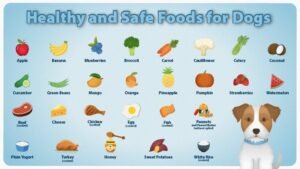
When considering what food to feed dogs, choosing high-quality commercial kibble or wet food that meets AAFCO nutritional standards is the best way to ensure a balanced diet tailored to their life stage.
The short version
- Pick products labeled as “complete and balanced” for your dog’s specific life stage (puppy, adult, or senior).
- Check the ingredient list to ensure a high-quality animal protein, like chicken or beef, is listed as the first ingredient.
- Measure portions exactly using a standard measuring cup based on the feeding guidelines printed on the specific brand’s packaging.
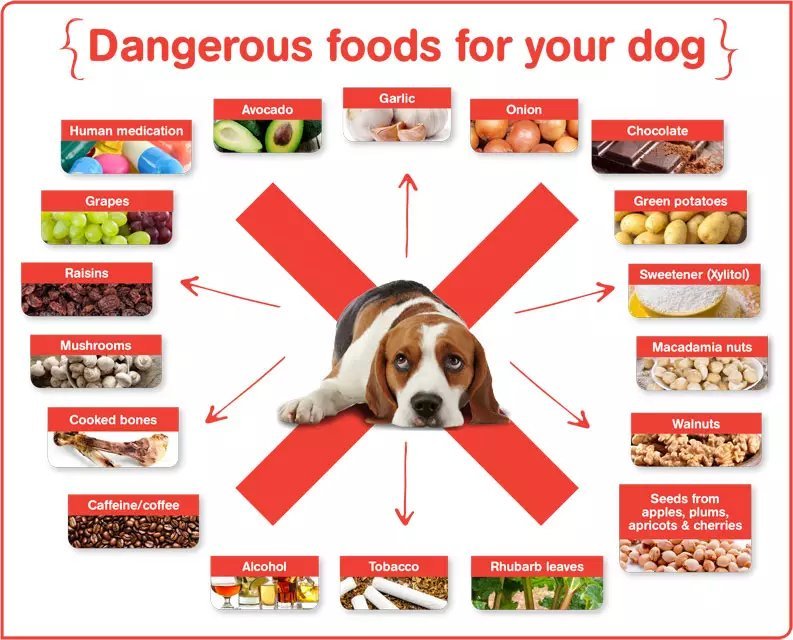
- Avoid feeding human foods high in salt, sugar, or fat, and keep toxic items like grapes, onions, and chocolate away.
- Consult your veterinarian before starting any homemade diet to ensure it includes the correct balance of calcium and phosphorus.
- Transition to a new food slowly over 7 to 10 days by mixing increasing amounts of the new food into the old.
What food to feed dogs: Nutritional needs
Dogs are omnivores that require a precise balance of proteins, fats, carbohydrates, vitamins, and minerals to maintain health. The most reliable way to ensure these needs are met is to purchase commercial foods labeled as meeting AAFCO nutrient profiles. These profiles define the minimum and maximum levels of essential nutrients required for dogs at different ages and activity levels.
When evaluating a bag or can, the label acts as your primary guide. If you’re comparing two brands, look for the AAFCO statement on the back. A food that meets these standards has undergone testing or formulation analysis to prove it provides adequate nutrition. If you choose a “supplemental” food, it will lack the necessary vitamins for a main meal. Always check the label on the specific container, as manufacturers update their formulas occasionally, changing the caloric density and ingredient breakdown.
When the answer is different
Photo: www.thesprucepets.com on Google
| Situation | What changes | What to do instead |
|---|---|---|
| Puppy | Higher protein/fat needs | Use puppy-specific growth formula |
| Senior dog | Lower calorie requirements | Switch to weight management food |
| Food allergies | Specific protein sources | Use limited-ingredient or prescription diets |
| High activity | Increased energy density | Feed performance or working-dog formulas |
| Pregnancy | Higher nutrient demand | Use high-calorie lactation-support diets |
How to do it properly
- Read the feeding chart on the bag to determine the daily amount based on your dog’s current weight.
- Use a standard 8-ounce measuring cup to divide the daily total into two equal meals for morning and evening.
- Place the measured food in a clean bowl, ensuring you don’t add more than the recommended daily limit for their size.
- Remove the bowl after 20 minutes if your dog doesn’t finish, which helps you track their actual daily food intake.
- Mix 25% new food with 75% old food for the first three days when switching to avoid any digestive upset.
- Gradually increase the proportion of the new food until the dog is eating only the updated formula.
- Provide fresh, clean water in a separate bowl at all times, as digestion requires consistent hydration throughout the day.
The mistakes that ruin it
- Feeding by “eye” instead of using a measuring cup often leads to obesity, which shortens a dog’s life expectancy.
- Adding table scraps to a balanced diet dilutes the nutrients, causing potential vitamin imbalances over long periods.
- Changing brands abruptly can cause severe stomach upset, vomiting, or diarrhea because the gut bacteria can’t adjust quickly.
- Leaving food out all day encourages overeating and makes it impossible to know if your dog has lost their appetite.
Frequently asked questions
Photo: www.carecredit.com on Google
Can I feed my dog raw meat?
Feeding raw meat carries a significant risk of bacterial contamination like Salmonella and Listeria, which can infect both the dog and the humans in your home. Most veterinarians advise against raw diets due to these safety concerns and the risk of nutritional imbalances.
How long does canned food last?
Opened canned food stays safe in the refrigerator for up to three days when covered with a plastic lid. Always check the label for specific storage instructions, as some manufacturers recommend shorter windows once the vacuum seal is broken.
Is it safe to feed dogs bones?
No, cooked bones are dangerous because they become brittle and can splinter, causing internal punctures or intestinal blockages. Even raw bones pose risks of tooth fractures and bacterial exposure, so it’s safer to stick to commercially produced, digestible dental chews.
What happens if my dog eats chocolate?
Chocolate contains theobromine, which is toxic to dogs and can cause heart rhythm problems, tremors, or seizures. If your dog consumes chocolate, contact your veterinarian or a pet poison control center to determine if the amount and type ingested require treatment.
Does it matter if I feed dry or wet food?
It doesn’t matter for nutritional health, as both forms can be complete and balanced if formulated correctly. Many owners choose dry food for convenience and cost, while others use wet food to help with hydration or for dogs with dental issues.
How do I know if the food is high quality?
Look for a named animal protein source as the first ingredient, such as deboned chicken or a high-quality meat meal. You can also verify the manufacturer’s quality control processes by checking their official website for safety certifications and ingredient sourcing policies.
Final Thoughts
Before you switch your pup’s meals, chat with your local veterinarian to confirm the new choice fits their unique health needs. They’ll help you navigate the transition smoothly so your furry friend stays happy and energetic. It’s a simple step that’ll make a world of difference for their long-term well-being.