
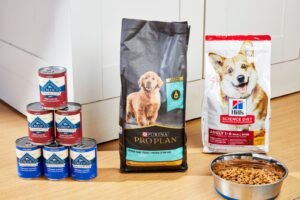
If you are asking what is a good dog food to feed my dog, look for one that meets AAFCO nutritional standards. You must choose a product labeled as “complete and balanced” for your dog’s specific life stage.
The best food to feed your dog
- Look for an AAFCO statement on the label confirming the food is nutritionally complete.
- Choose a formula tailored to your dog’s life stage, such as puppy, adult, or senior.
- Avoid products that list vague ingredients like “meat meal” without naming the specific animal source.
- Check that a high-quality protein source, like chicken or beef, is the first ingredient listed.
- Keep fresh water available at all times, as dry food contains little moisture.
- Consult your veterinarian if your dog has specific health conditions or allergies.
Why nutritional standards matter for health
Choosing the right nutrition is the most important factor in your dog’s long-term health. The AAFCO nutrient profiles provide the scientific benchmarks that manufacturers must meet to ensure a diet is truly “complete and balanced.” If a food doesn’t have this label, it may lack the vitamins, minerals, and amino acids your pet needs to thrive.
The mechanism behind a good diet is simple: it provides the correct ratio of macronutrients—proteins, fats, and carbohydrates—that a dog’s body requires for energy and tissue repair. While marketing often highlights fancy ingredients, the nutrient profile is what actually supports organ function and immune health. If you’re unsure about the quality of a specific brand, look for the contact information on the bag and check the manufacturer’s official website for their testing protocols. Never rely on colorful packaging or buzzwords like “natural” to judge the actual nutritional value inside the bag.
When the answer is different
| Situation | What changes | What to do instead |
|---|---|---|
| Puppy under one year | Higher protein and fat | Buy puppy-specific formula |
| Senior dog | Fewer calories needed | Switch to senior diet |
| Food allergies | Specific protein sources | Use limited ingredient diet |
| High activity level | Higher caloric density | Choose performance-grade food |
| Weight management | Lower fat content | Use weight control formula |
Most owners fail by ignoring the caloric density listed on the back of the bag. A performance-grade food often contains 500 calories per cup, while a weight-control formula may hover near 280. Feeding the wrong one can lead to a 10% weight fluctuation within a single month.
If your dog is a working breed, look for a fat content above 20%. If your dog has a sedentary lifestyle, prioritize fiber content over 5% to maintain satiety.
The decision rule is simple: check the metabolic energy rating first. If your dog is gaining weight despite measured portions, switch to a formula with a lower calorie-per-cup count. If they’re losing muscle mass or energy, increase the protein percentage by at least 4%. Never guess based on the marketing label alone.
How to do it properly
- Read the label to ensure the first ingredient is a whole protein, like chicken, turkey, or beef.
- Check the bag for the AAFCO statement which confirms the food is tested for your dog’s age.
- Measure the daily portion using a standard cup; follow the weight guidelines printed on the food bag.
- If you’re changing brands, mix 25% new food with 75% old food for the first three days.
- Increase the new food by 25% gradually until the switch is 100% complete.
- Observe your dog’s energy levels and coat quality; these change within four to six weeks on a new diet.
- Adjust the portion size by 10% if your dog starts gaining or losing weight unexpectedly during the transition.
The mistakes that ruin it
- Feeding a puppy adult food, which causes slow growth or bone development issues.
- Leaving food out all day, which leads to overeating and dangerous weight gain.
- Switching brands too quickly, which results in digestive upset and severe diarrhea.
- Buying based on price alone, which often means paying for fillers instead of actual nutrients.
Can I feed my dog human food?
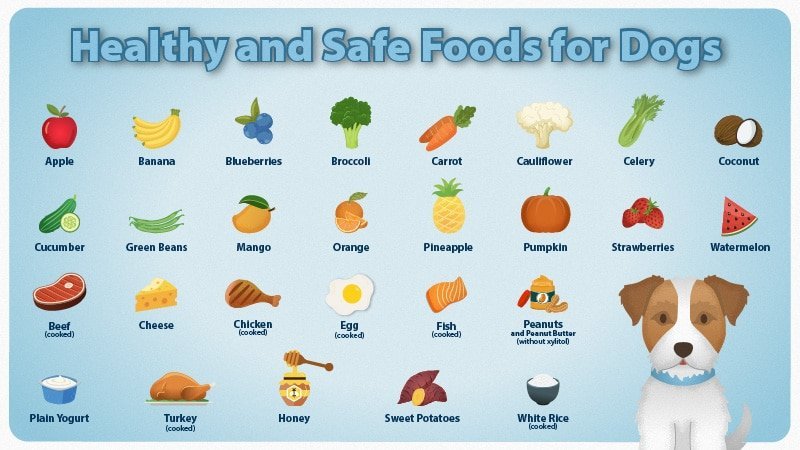
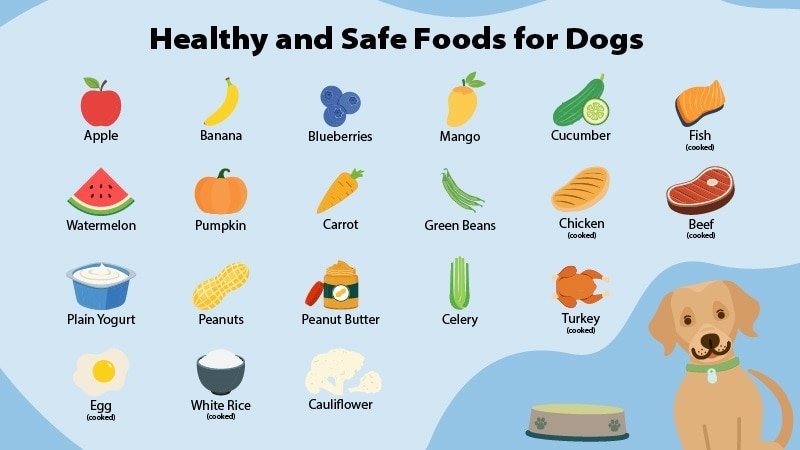
No, you shouldn’t make human food the main part of your dog’s diet. Many human foods, like onions, grapes, and chocolate, are toxic to dogs, and most home-cooked meals lack the precise balance of minerals required for canine health.
How long does an open bag last?
An open bag of dry food stays fresh for about four to six weeks if stored in a cool, dry place. Always keep the bag sealed tightly to prevent fats from going rancid, which ruins the flavor and health benefits.
Is grain-free food better?
No, grain-free food isn’t inherently better for most dogs unless your vet confirms a specific grain allergy. Many dogs thrive on high-quality grains, which provide essential fiber and energy for their daily activities.
Why does my dog have dry skin?
Your dog may have dry skin because their current food lacks sufficient omega-3 and omega-6 fatty acids. Check the ingredient list for fish oil or flaxseed, and talk to your vet about adding a supplement if the diet isn’t enough.
How much should a dog eat?
A dog should eat based on their weight and activity level, as listed on the food packaging. If your dog is less active, start at the lower end of the suggested range to prevent obesity and related health risks.
Does wet food cause dental issues?
No, wet food doesn’t directly cause dental issues, but dry food is often recommended because the crunch helps remove plaque. You can offer a mix of both, but keep an eye on your dog’s teeth and schedule professional cleanings as needed.
Final Thoughts
Ultimately, your veterinarian is your best partner in this process. Don’t hesitate to schedule a quick checkup to discuss your pet’s unique health needs. They’ll help you narrow down the best options so you can feel confident that your furry friend is getting exactly what they need to thrive every day.