
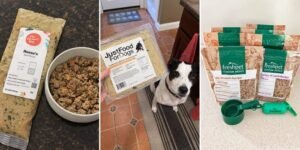
To determine what fresh food is best for dogs, focus on lean meats, cooked vegetables, and certain fruits prepared in balanced portions.
Why it works / what to know first
Feeding fresh food works because it allows you to control the exact ingredients your dog consumes, avoiding fillers and artificial preservatives. You can tailor meals to your specific dog’s energy needs and digestive sensitivities.
The most common mistake owners make is adding human table scraps that contain onions, garlic, or excessive salt. These items are toxic or harmful to canine health. Always check the toxic and safe foods list published by the ASPCA to ensure every ingredient is safe before you begin.
Best fresh food for dogs
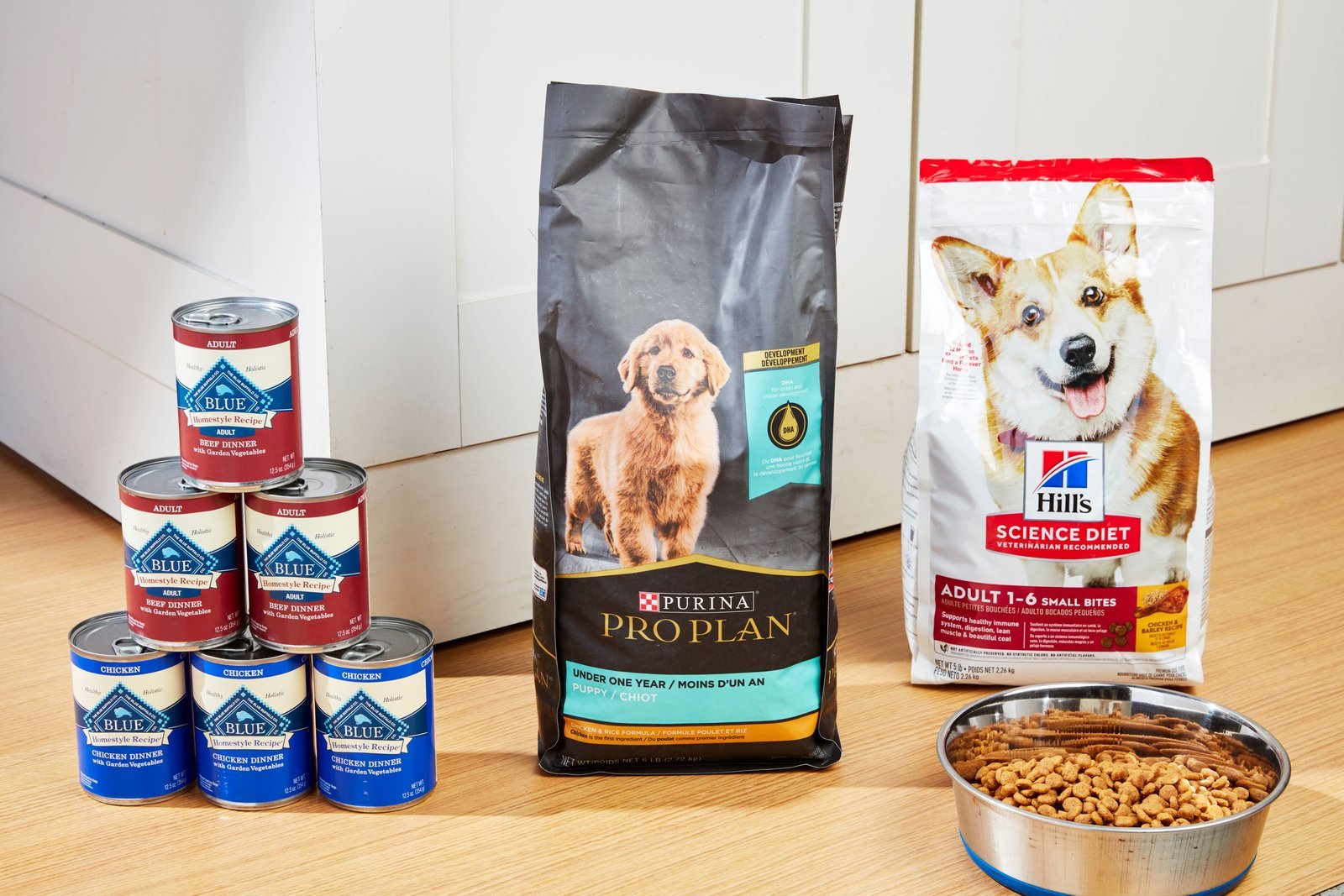
- Select a high-quality protein source like skinless chicken breast or lean ground turkey, removing all bones and excess skin.
- Steam the protein until it reaches an internal temperature of 165°F to ensure it’s safe from pathogens.
- Prepare vegetables such as carrots, green beans, or zucchini by steaming them until they’re soft enough to mash with a fork.
- Measure the portion based on your dog’s weight, typically aiming for 10% of their total daily caloric intake if using fresh food as a topper.
- Combine the cooked protein and vegetables, ensuring there’s no added butter, oil, or seasonings like onion powder.
- Cool the mixture to room temperature before serving to prevent burns to the dog’s mouth.
Tip: If your dog has a sensitive stomach, introduce one new vegetable at a time over several days to monitor for any digestive upset.
Tip: Always consult your veterinarian before making fresh food a permanent part of your dog’s diet to ensure you’re meeting their specific nutritional requirements.
Prep and Cooking Times
| Food Item | Prep Time | Cooking Time | Notes |
|---|---|---|---|
| Chicken Breast | 5 mins | 15-20 mins | Must be fully cooked |
| Carrots | 5 mins | 8-10 mins | Steam until tender |
| Green Beans | 2 mins | 5-7 mins | Remove stems first |
| Sweet Potato | 10 mins | 20-25 mins | Peel before boiling |
If the cooking process takes significantly longer than listed, verify your heat source is set to a consistent medium-high, as lower temperatures will increase the time required to reach a safe internal temperature.
How to tell when it’s done
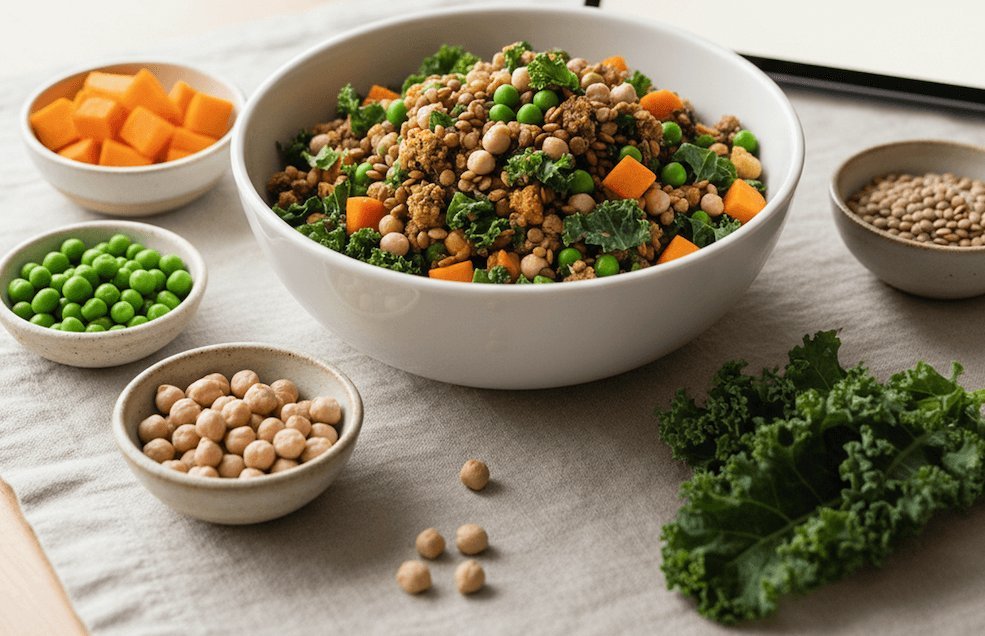
You know the food is ready when the texture is soft and easy to chew. For proteins, the meat must be opaque throughout with no pink sections remaining. For vegetables, use a fork to test for tenderness; they should yield easily to pressure without being mushy. If you’re unsure about the safety of a specific preparation, use a digital food thermometer to confirm the 165°F threshold for proteins.
Mistakes that ruin it
- Including Toxic Ingredients: Using onions, garlic, or grapes can lead to severe poisoning or kidney failure in dogs. Always cross-reference every ingredient against a verified safety list before adding it to the bowl.
- Adding Seasonings: Salt, butter, and spices can cause digestive distress or pancreatitis. Stick to plain, unseasoned ingredients and avoid anything from your own plate that has been cooked with oils or sauces.
- Ignoring Portion Control: Feeding too much fresh food can lead to obesity and nutrient imbalances. If you feed more than 10% of their daily calories as fresh food, you must work with a vet to ensure the diet remains nutritionally complete.
- Leaving Bones In: Cooked bones become brittle and can splinter, causing internal punctures or intestinal blockages. Always remove every bone before serving any meat to your dog.
Frequently asked questions
Can dogs eat raw vegetables?
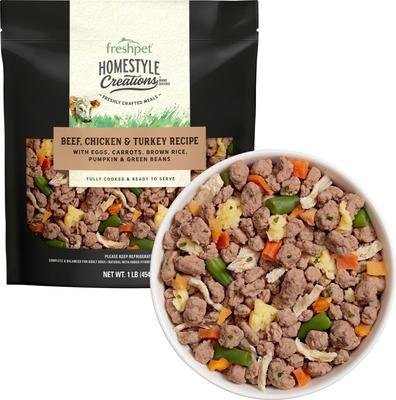
Yes, many dogs enjoy raw carrots, cucumber slices, or green beans as crunchy treats. However, ensure the vegetables are washed thoroughly to remove any soil or pesticides. If your dog has trouble chewing or swallowing, it’s safer to steam them until they’re soft and easy to digest.
Is it safe to feed dogs eggs?
Yes, you can feed your dog cooked eggs as a source of protein. They must be fully cooked to avoid the risk of salmonella, which can affect both dogs and humans. Never add salt, pepper, or butter to the eggs, and serve them plain once they have cooled down.
How long can I keep fresh dog food in the fridge?
You should store fresh dog food in an airtight container for no more than three to four days in the refrigerator. If you prepare larger batches, freeze the extra portions immediately and thaw them in the fridge overnight before serving. Always discard any food that smells off or looks discolored.
What happens if my dog eats cooked onions?
If your dog consumes onions, they may experience vomiting, diarrhea, or lethargy because onions contain compounds that damage red blood cells. You should contact your veterinarian or an animal poison control center immediately if you suspect your dog has ingested any amount of onion or garlic, regardless of the form.
Are fruits like apples safe for dogs?
Yes, apples are safe for dogs as long as you remove the core and all seeds before serving. The seeds contain small amounts of cyanide, which is harmful in large quantities. Slice the apple into small, manageable pieces to prevent choking and offer them as a low-calorie snack.
Final Thoughts
Transitioning your pet to a healthier diet doesn’t have to be overwhelming. Start by swapping just one meal a week for a fresh alternative to see how they feel. You’ll likely notice more energy and a shinier coat soon. It’s a simple change that’ll make a world of difference for them.
Related guides