
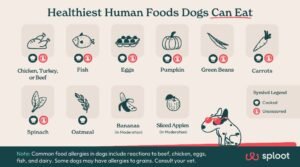
When considering what foods are healthiest for dogs, lean proteins, cooked vegetables, and specific whole grains are best when served as balanced additions to a complete diet.
Selecting the right food depends on your dog’s age, activity level, and weight. If your dog is a puppy, they need more calories for growth; if they’re a senior, you should focus on fiber and joint support. The most common mistake is assuming that “human-grade” means it’s safe for dogs. Many human foods, such as onions, grapes, and chocolate, are toxic to dogs and cause severe internal damage even in small amounts.
Healthiest foods for your dog
- Choose lean protein sources like skinless chicken breast, turkey, or white fish, and boil or bake them without any salt, oil, or seasonings.
- Steam vegetables such as green beans, carrots, or broccoli until they’re soft enough to mash with a fork, as raw vegetables can be difficult for some dogs to digest.
- Cook plain brown rice or quinoa thoroughly to ensure it’s easy for your dog to process, using only water for the cooking process.
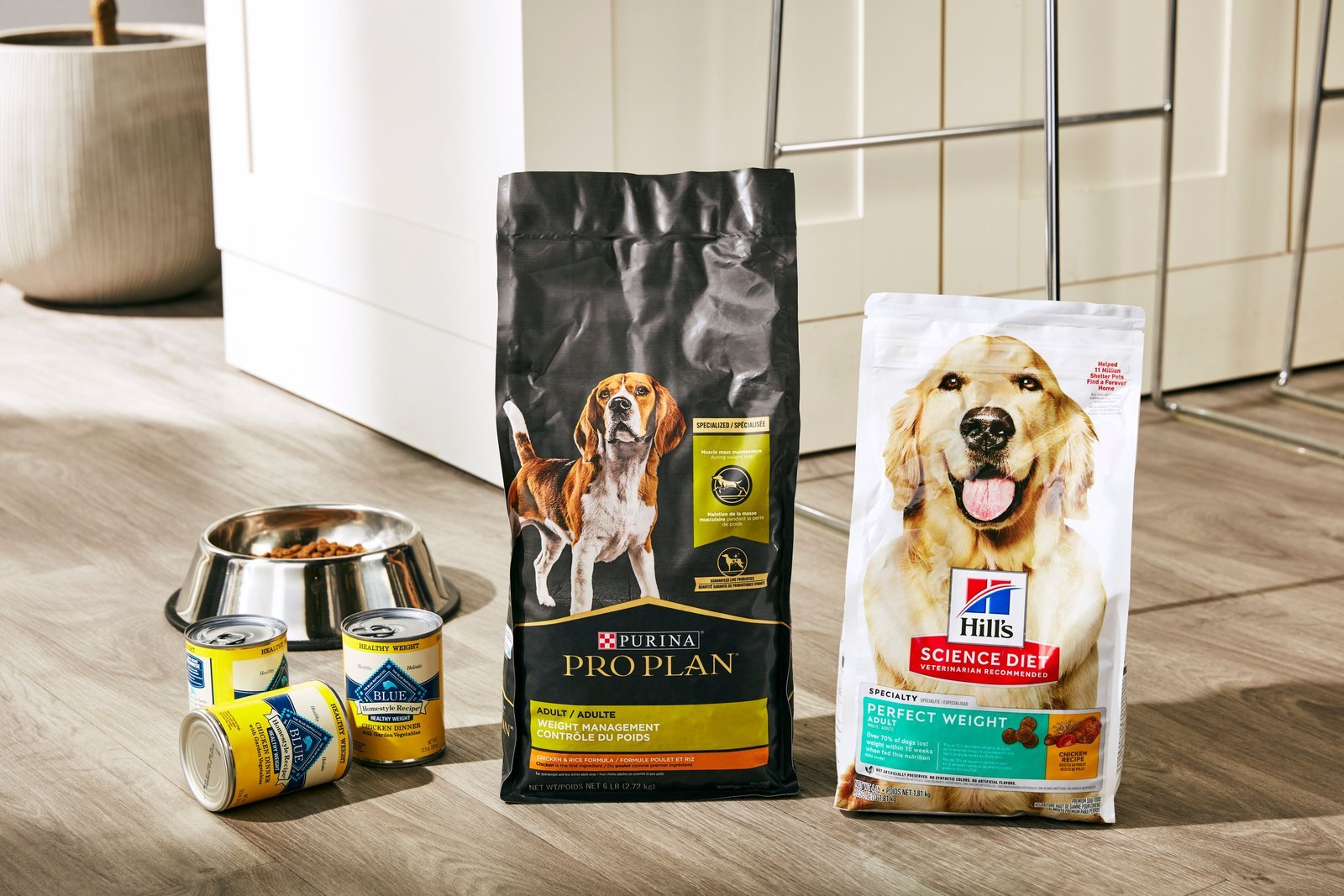
- Mix these additions into a commercial dog food that meets AAFCO nutrient profiles to ensure your pet receives a complete and balanced daily intake of vitamins and minerals.
- Limit these additions to no more than 10% of your dog’s total daily caloric intake to prevent weight gain or nutritional imbalances.
Tip: Always remove all bones from meat before serving, as cooked bones can splinter and cause life-threatening choking or internal punctures.
Tip: If you notice your dog having an upset stomach after trying a new food, stop feeding it immediately and consult your veterinarian for guidance.
How long it takes
Preparation times vary based on the specific food item and the cooking method you choose.
| Food Item | Prep/Cook Time | What changes it | What to watch for |
|---|---|---|---|
| Chicken breast | 20 minutes | Thickness of meat | Ensure no pink remains |
| Carrots | 10 minutes | Size of pieces | Soft enough to mash |
| Brown rice | 40 minutes | Quantity of water | Fully absorbed liquid |
| Green beans | 5 minutes | Fresh vs. frozen | Bright green color |
If your cooking process takes significantly longer than these times, your heat source may be too low or your portion sizes may be too large for the pan.
How to tell when it’s done
Doneness is measured by texture and temperature rather than a specific internal safety threshold, except for meats. You should cook all poultry to an internal temperature of 165°F to ensure it’s safe for consumption. For vegetables, the pieces should be tender and easily pierced with a fork. Grains should be soft and fully hydrated; if they still feel crunchy or dry, they aren’t ready. If you’re unsure about the safety of a specific item, check the ASPCA toxic plant and food database before introducing it to your dog’s bowl.
Mistakes that ruin it
- Adding seasonings or spices: Garlic and onions are toxic to dogs and can cause anemia; excessive salt intake should also be avoided. Always keep food completely plain and avoid any added fats or flavorings.
- Replacing balanced meals with extras: If you give too many treats or extra foods, your dog will miss out on the vital nutrients found in their standard, balanced kibble. Keep these additions to a small portion of the daily total.
- Ignoring food allergies: If your dog has a sensitive stomach, introducing several new foods at once makes it impossible to identify the culprit. Introduce one new food at a time in small amounts to monitor for reactions.
Frequently asked questions
Can dogs eat bananas?
Yes, dogs can eat bananas in moderation as they provide potassium and fiber. You should limit the serving size to a few small slices, as the high sugar content can lead to weight gain if fed too often. Always remove the peel, which is difficult for dogs to digest.
Is it safe to feed dogs raw eggs?
No, it isn’t safe to feed raw eggs due to the risk of Salmonella or E. coli contamination. You should always cook eggs thoroughly until both the yolk and white are firm before offering them to your dog as an occasional source of protein.
How long can I keep cooked dog food in the fridge?
You can keep cooked food in the refrigerator for up to three days in an airtight container. If you have prepared a larger batch, you should freeze the extra portions to maintain quality for longer-term storage.
What happens if my dog eats grapes?
Grapes and raisins are highly toxic to dogs and can cause sudden kidney failure even in very small amounts. If your dog consumes any amount of grapes, you should contact your veterinarian or an animal poison control center immediately for emergency medical advice.
Can dogs eat peanut butter?
Yes, dogs can eat peanut butter, but you must ensure it doesn’t contain xylitol, a sweetener that’s extremely dangerous for dogs. Always check the ingredient label on the jar to confirm it only contains peanuts or natural oils before giving it to your pet.
Final Thoughts
Always check with your vet before introducing new ingredients, as every dog’s stomach is different. Start by swapping in just a small spoonful of fresh food during dinner to see how they handle it. You’ll be surprised how much they enjoy these healthy, wholesome treats when they’re part of a balanced routine.