
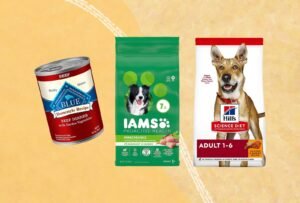
To determine what is a good high quality dog food, look for complete, balanced nutrition that meets your pet’s life stage. Choose products with whole protein sources listed first and a clear statement of nutritional adequacy.
Quality is defined by the consistency and safety of the ingredients. The most common mistake owners make is choosing food based on marketing buzzwords like “holistic” or “natural,” which have no legal definition in pet food labeling. Instead, look for a statement on the bag confirming the food passed AAFCO feeding trials or meets established profiles for growth, maintenance, or all life stages.
How to Choose High Quality Food
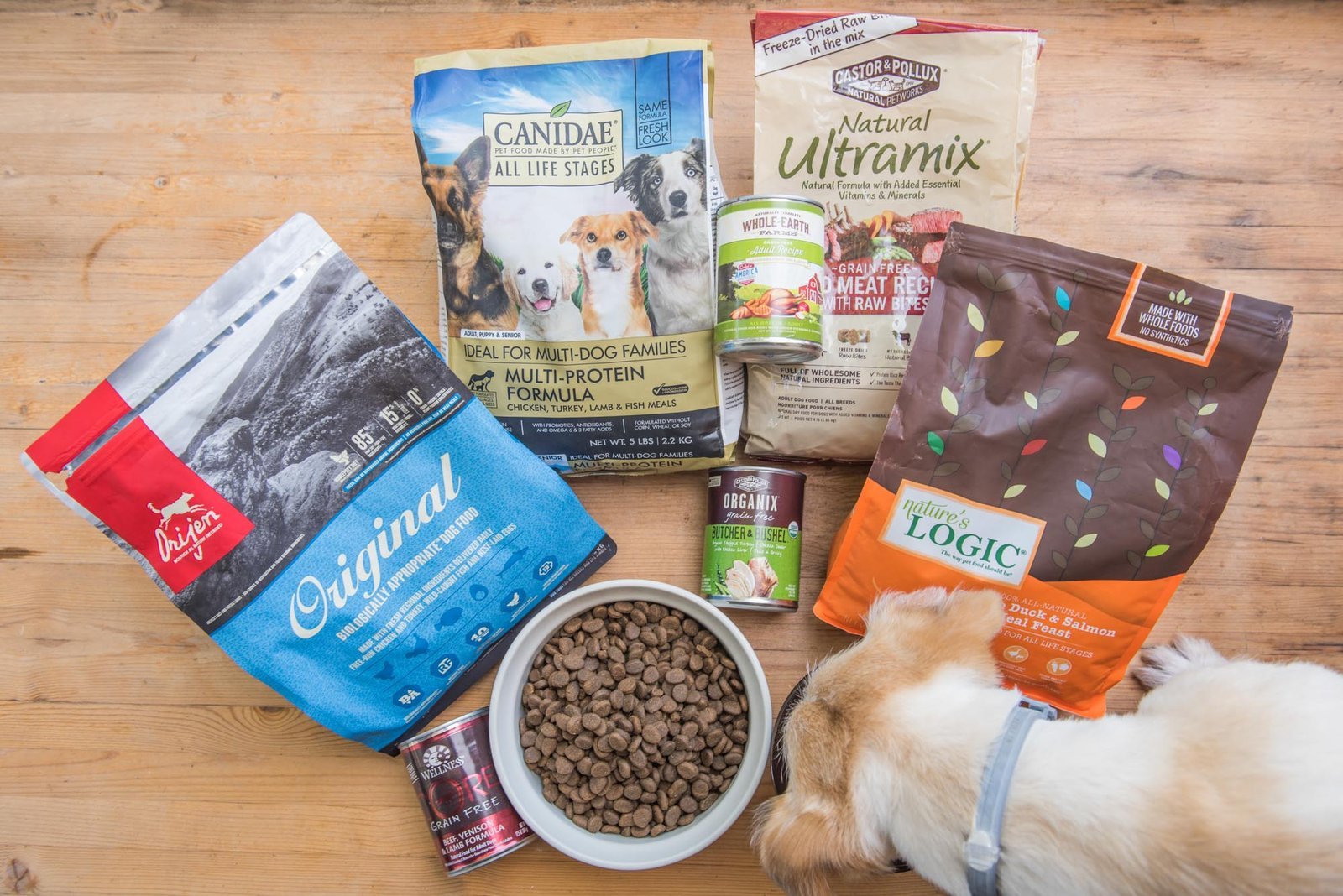
- Check the ingredient list for a specific animal protein, such as chicken, beef, or salmon, as the first ingredient.
- Verify the nutritional adequacy statement on the back of the package to ensure it’s formulated for your dog’s specific age and size.
- Choose a brand that maintains its own manufacturing facilities and conducts regular safety testing to avoid cross-contamination.
- If your dog has food sensitivities, consult your veterinarian to identify specific proteins or grains that cause digestive distress.
- Monitor your dog’s weight and coat condition over four to six weeks to see if the current formula suits their energy needs.
Tip: Avoid foods that list generic “meat meal” without specifying the animal source, as this indicates lower quality control.
Tip: If you switch brands, do it slowly over seven days by mixing 25% new food with 75% old food, gradually increasing the ratio to prevent stomach upset.
Feeding Guidelines and Variations
| Situation | Feeding Amount | Adjustment Factor | What to Watch For |
|---|---|---|---|
| Active Adult | 2 cups daily | High energy output | Weight loss |
| Senior Dog | 1.5 cups daily | Slower metabolism | Joint stiffness |
| Small Breed | 0.5 cups daily | Higher calorie needs | Dental health |
| Large Breed | 3 cups daily | Slower growth rate | Skeletal issues |
If your dog leaves food in the bowl consistently, reduce the portion by 10% for the next meal; if they act hungry, check with your vet before increasing intake, as calorie density varies by brand and formula — check the label. You can find detailed information on handling pet food safely to prevent bacterial contamination through FDA’s pet food safety guidance.
Signs of Proper Nutrition
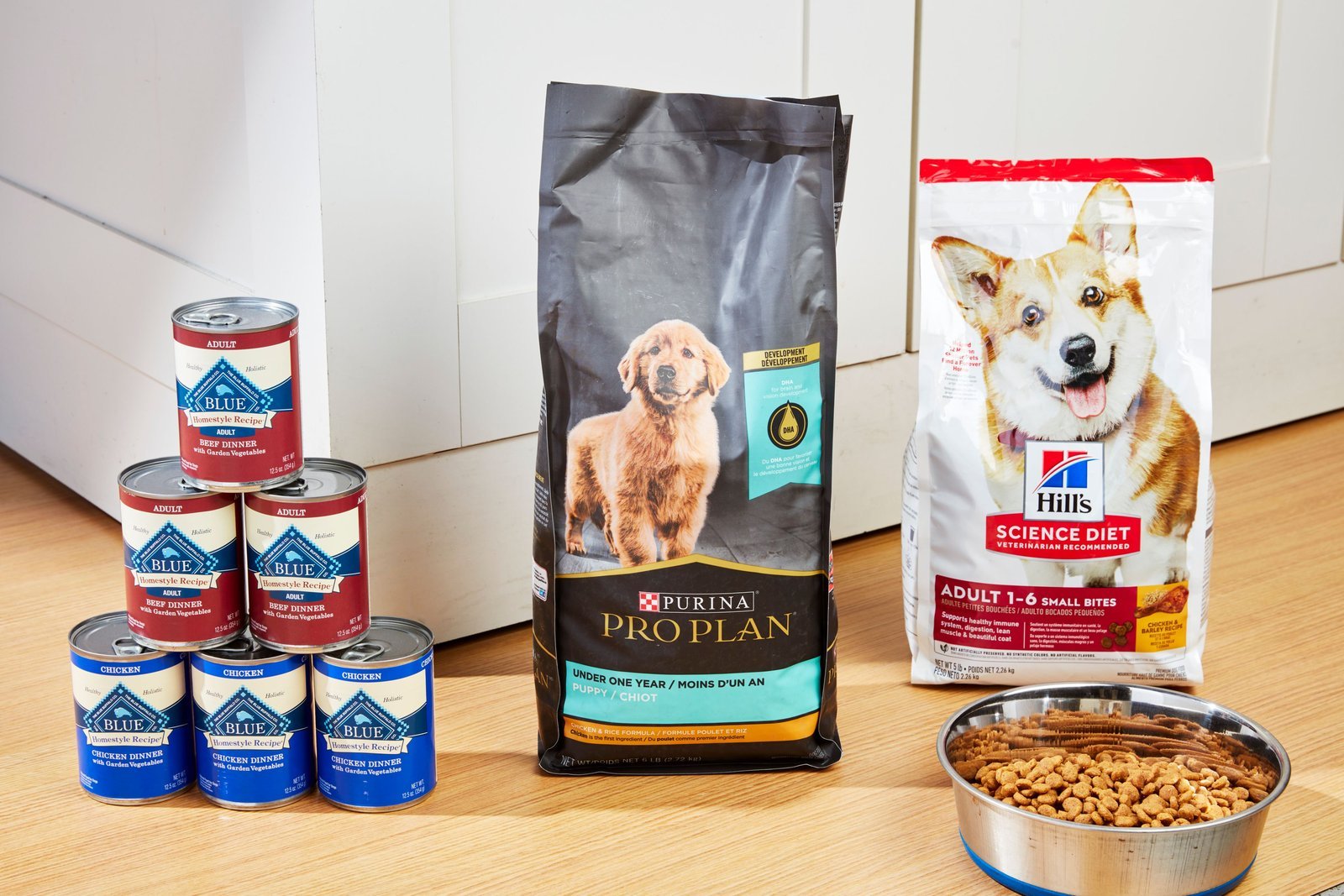
You’ll know the food is high quality if your dog maintains a healthy weight with a visible waistline when viewed from above. Their coat should be shiny and free of dull, brittle patches. Stools should be firm, consistent, and small in volume, indicating high digestibility. If the dog has persistent gas, skin rashes, or chronic ear infections, the current food may contain an allergen. The ultimate test is a physical exam by your veterinarian, who can assess if the body condition score remains within the ideal range for the dog’s breed and age.
Mistakes that Ruin Nutrition
- Ignoring the transition period: Switching foods instantly often causes severe diarrhea and vomiting because the dog’s gut microbiome can’t adapt to new ingredients. Always introduce new food over one full week.
- Over-relying on boutique brands: Some owners choose small, trendy brands that lack rigorous testing protocols, which can lead to nutritional deficiencies. Stick to companies that employ veterinary nutritionists to formulate their recipes.
- Adding too many human table scraps: Feeding excessive human food creates an unbalanced diet and leads to obesity. Limit extra treats to no more than 10% of your dog’s daily calorie intake.
- Purchasing damaged packaging: Buying bags with tears or punctures introduces risks of mold and rancidity. Always inspect the seal before you buy.
Frequently asked questions
Can I feed my dog human food instead of dog food?
No, human food is rarely balanced correctly for a dog’s specific nutritional needs and can lead to dangerous deficiencies or toxicities. While some fresh foods like carrots or plain chicken are safe, they should only supplement a complete, high-quality commercial diet designed for canine health.
How long does an open bag of dog food stay fresh?
Most dry dog food stays fresh for about four to six weeks after opening if stored in a cool, dry place inside its original bag. Exposure to air and humidity causes fats to go rancid, so keep the top tightly folded or use an airtight storage container.
Is it safe to feed a puppy adult dog food?
No, puppies have unique requirements for calcium, phosphorus, and energy density that adult formulas don’t provide. Feeding an adult formula to a growing puppy can cause skeletal issues, so always choose a bag labeled specifically for “growth” or “all life stages.”
What happens if I feed my dog too much?
Feeding too much leads to obesity, which increases the risk of diabetes, joint pain, and heart disease in dogs. Follow the weight-based feeding guidelines on the package as a starting point, then adjust based on your dog’s actual activity level and body condition score.
Why is grain-free dog food popular?
It became popular due to marketing trends, but there’s no clinical evidence that grains are harmful to the average healthy dog. Unless your veterinarian has diagnosed a specific grain allergy, grain-inclusive diets are often more appropriate for providing essential fiber and nutrients.
How do I know if my dog has a food allergy?
Symptoms of food allergies typically include chronic ear infections, itchy skin, or persistent digestive upset like vomiting and diarrhea. If you suspect an allergy, your veterinarian will likely recommend a strict elimination diet using a single-source protein to identify the specific trigger.
Final Thoughts
Choosing the right bowl of food is a simple way to show your dog how much you care. Don’t be afraid to ask your vet for a recommendation if you’re still unsure about the best brand. They’ll help you find a healthy option that’s perfect for your furry friend’s unique needs.