
If you are wondering what is a really good dog food, it must meet AAFCO nutritional standards for your pet’s life stage. Look for products with high-quality animal protein as the first ingredient and avoid fillers that offer little nutritional value.
Quality and Nutrition
The most important factor in choosing food is verifying that the product has undergone feeding trials to confirm it provides complete nutrition. A common mistake people make is choosing food based on marketing buzzwords like “natural” or “holistic,” which lack strict legal definitions. Instead, look for a statement on the packaging confirming the food meets AAFCO nutrient profiles. If the label says “for all life stages,” it’s formulated to meet the needs of both growing puppies and adult maintenance.
Steps to Select the Right Diet
- Check the packaging for the AAFCO statement of nutritional adequacy to ensure the product is safe for your dog’s age.
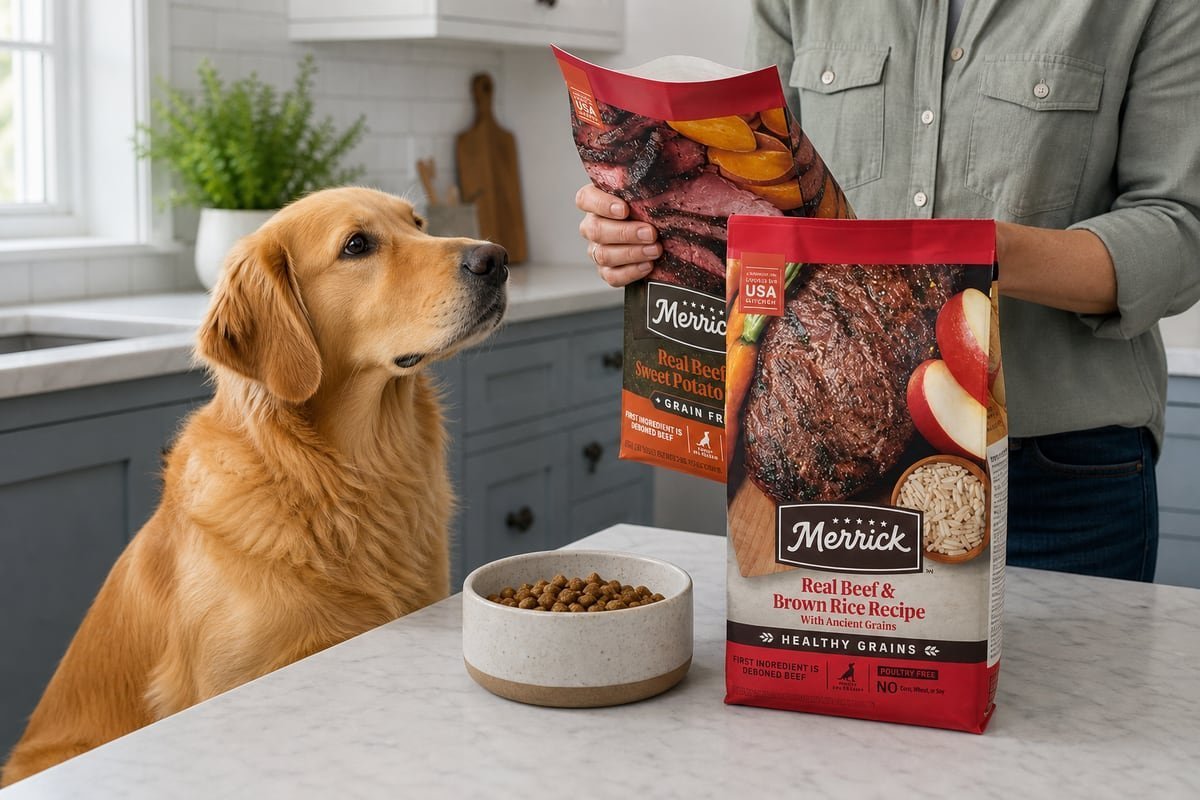
- Review the ingredient list to confirm that a named meat source, such as chicken or beef, is the primary ingredient.
- Compare the guaranteed analysis on the label, which shows the minimum percentages of protein and fat, against your veterinarian’s recommendations.
- Transition to the new food slowly over 7 to 10 days by mixing small amounts with the old food to avoid stomach upset.
- Watch your dog’s weight and energy levels closely, adjusting portion sizes based on their activity level and metabolic needs.
Choosing really good food for your dog
Feeding schedules vary depending on the breed size, age, and activity level of your dog. This table assumes a standard, healthy dog; for working or highly active dogs, you may need to increase the caloric intake by 10% to 20%.
| Life Stage | Feeding Frequency | Portion Adjustment | What to Watch For |
|---|---|---|---|
| Puppy | 3 to 4 times daily | High calorie density | Rapid, healthy growth |
| Adult | 1 to 2 times daily | Maintenance level | Stable weight |
| Senior | 1 to 2 times daily | Lower calorie density | Joint health and weight |
If your dog leaves food in the bowl consistently, they’re likely receiving too much at each meal; reduce the portion by 10% the next day.
Checking for Nutritional Success
You can tell if a food is working by observing your dog’s coat, energy, and digestion. A healthy dog should have a shiny coat, clear eyes, and firm, consistent stools. If the dog is itchy, has chronic gas, or shows sudden changes in appetite, the current food may not be the right fit.
The final test is a body condition score; you should be able to feel, but not see, their ribs. If you can see the ribs clearly, the dog is underweight. If you can’t feel them through a layer of fat, they’re overweight.
A common mistake is relying solely on the bag’s feeding guidelines. These are only estimates. If your dog finishes meals in seconds and begs constantly, increase the portion by 10 percent. If they leave food behind, scale back immediately. Always adjust based on your dog’s actual activity level, not the static numbers on the label.
Mistakes that Ruin Nutrition
- Ignoring the transition period: Switching foods too quickly causes digestive distress and vomiting. Always mix the old and new food over a full week to let the gut flora adjust.
- Overfeeding based on the bag’s suggestion: The amounts listed on the back are often maximums that lead to obesity. Start at the lower end of the recommended range and increase only if your dog loses weight.
- Adding too many human treats: Extra snacks dilute the balanced nutrients in a high-quality food. Keep treats to less than 10% of your dog’s total daily caloric intake to maintain balance.
Frequently asked questions
Can I mix two different brands of dog food?
Yes, you can mix brands, but it’s better to ensure both meet the same AAFCO nutritional profiles. Mixing can sometimes make it harder to identify which food is causing an issue if your dog develops an allergy or digestive sensitivity later.
How long does a bag of dry dog food stay fresh?
Dry food typically stays fresh for about 4 to 6 weeks after opening if stored in a cool, dry place. Always keep the food in its original bag to maintain the fat coating and prevent the oils from going rancid, which ruins the flavor.
Is it safe to feed a puppy adult dog food?
No, it isn’t safe because puppies require specific levels of calcium, phosphorus, and protein for bone development. Adult food often lacks these concentrated nutrients, which can lead to developmental health issues in growing large-breed puppies specifically.
What happens if I change my dog’s food every week?
Changing food too often can lead to persistent diarrhea and picky eating habits. Dogs don’t require a wide variety of flavors in their diet, and frequent changes make it impossible to track if a food is actually working well.
How do I know if my dog is allergic to their food?
Signs of a food allergy include chronic ear infections, itchy skin, and paw licking that happens year-round. If you suspect an allergy, talk to your vet about a strict elimination diet, as these symptoms often mimic environmental allergies like pollen or grass.
Final Thoughts
Choosing the right bowl of kibble doesn’t have to be overwhelming. Once you’ve narrowed down your options, talk to your vet about your dog’s unique health needs. They’ll help you feel confident that you’re providing the best fuel for your best friend’s long, happy, and healthy life ahead.