
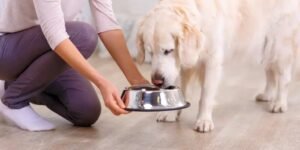
A balanced diet for a canine consists of high-quality commercial kibble or wet food that meets the nutritional profiles set by the AAFCO Dog Food Nutrient Profiles, and I provide a measured portion of age-appropriate, grain-inclusive dry food twice daily.
What I feed my dog: Nutritional balance and daily habits
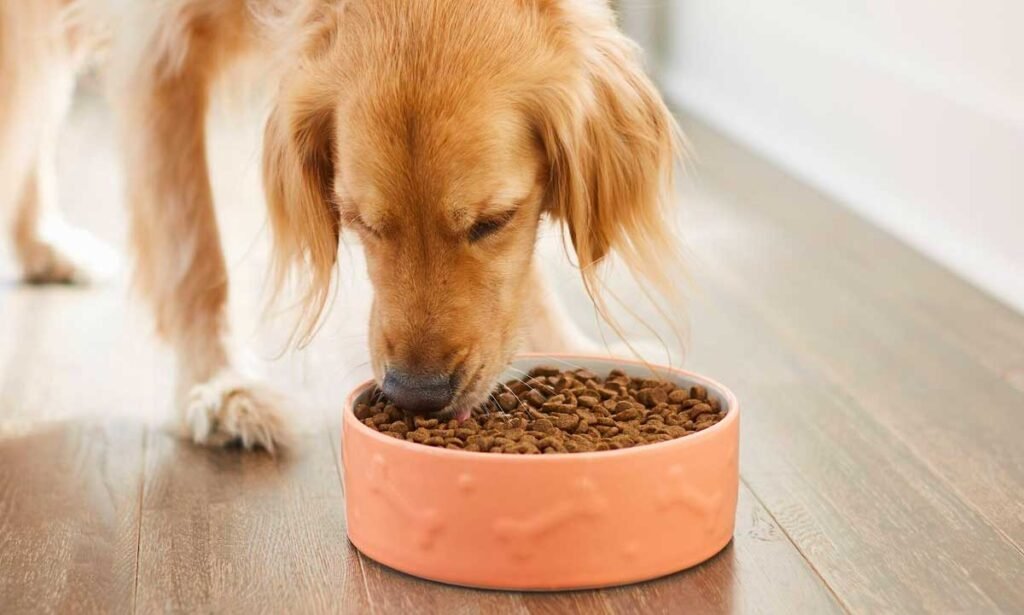
The most important factor in canine nutrition is providing a complete and balanced diet. You should always look for the AAFCO statement on the product label to ensure the food meets the needs of your dog’s specific life stage, such as puppy, adult, or senior.
A common mistake is feeding by “feel” or eye rather than using a standard measuring cup. If you overfeed, your dog gains weight; if you underfeed, your dog lacks energy. Always follow the weight-based guidelines printed on the package.
Establishing a feeding routine
- Select a high-quality commercial food formulated for your dog’s current life stage and activity level.
- Calculate the daily portion size by checking the manufacturer’s feeding chart based on your dog’s weight.
- Divide that daily total into two equal meals to keep energy levels stable throughout the day.
- Pour the exact amount into a clean stainless steel or ceramic bowl at the same times every morning and evening.
- Remove any leftover food after 20 minutes to prevent overeating and to keep the feeding area clean. Tip: If your dog is a “gulper,” use a slow-feeder bowl to prevent them from swallowing too much air, which can cause digestive issues.
- Provide fresh water in a separate bowl at all times, changing it once per day to maintain hygiene. Tip: Don’t add human table scraps to the bowl, as this can lead to nutrient imbalances and obesity.
How long it takes
The time required for a feeding routine is minimal, but consistency is the key to a healthy digestive system.
| Situation | How long | What changes it | What to watch for |
|---|---|---|---|
| Standard dry kibble | 2 minutes | Portion size | Weight gain |
| Wet food mix-in | 3 minutes | Temperature | Spoiling |
| Puppy (3-6 months) | 5 minutes | Meal frequency | Growth rate |
If your dog consistently leaves food in the bowl after 20 minutes, reduce the portion size slightly at the next meal to avoid waste.
How to tell when it’s done
You know the feeding process is complete when the dog has finished the bowl and you have removed the equipment. Look for a healthy body condition: you should be able to feel, but not see, the ribs. If you can’t feel the ribs, your dog is likely carrying extra weight and needs a portion adjustment. If the ribs are visible, the dog may need more calories. Always consult your veterinarian before making drastic changes to a diet, as they can perform a body condition score to tell you exactly how many calories your specific dog requires.
Mistakes that ruin it
- Free-feeding throughout the day: Leaving food out leads to obesity and makes it impossible to track if your dog has lost their appetite. Measure every meal precisely instead.
- Changing brands too quickly: Switching food abruptly causes stomach upset and diarrhea. Transition to a new brand over seven days by mixing increasing amounts of the new food into the old.
- Ignoring the activity level: A sedentary house dog needs fewer calories than a working breed. Adjust the portion size downward if your dog is less active during the winter months.
- Adding too many treats: Extra snacks contain hidden calories that lead to weight gain. Keep treats to less than 10% of your dog’s total daily caloric intake.
Can I feed my dog human food?
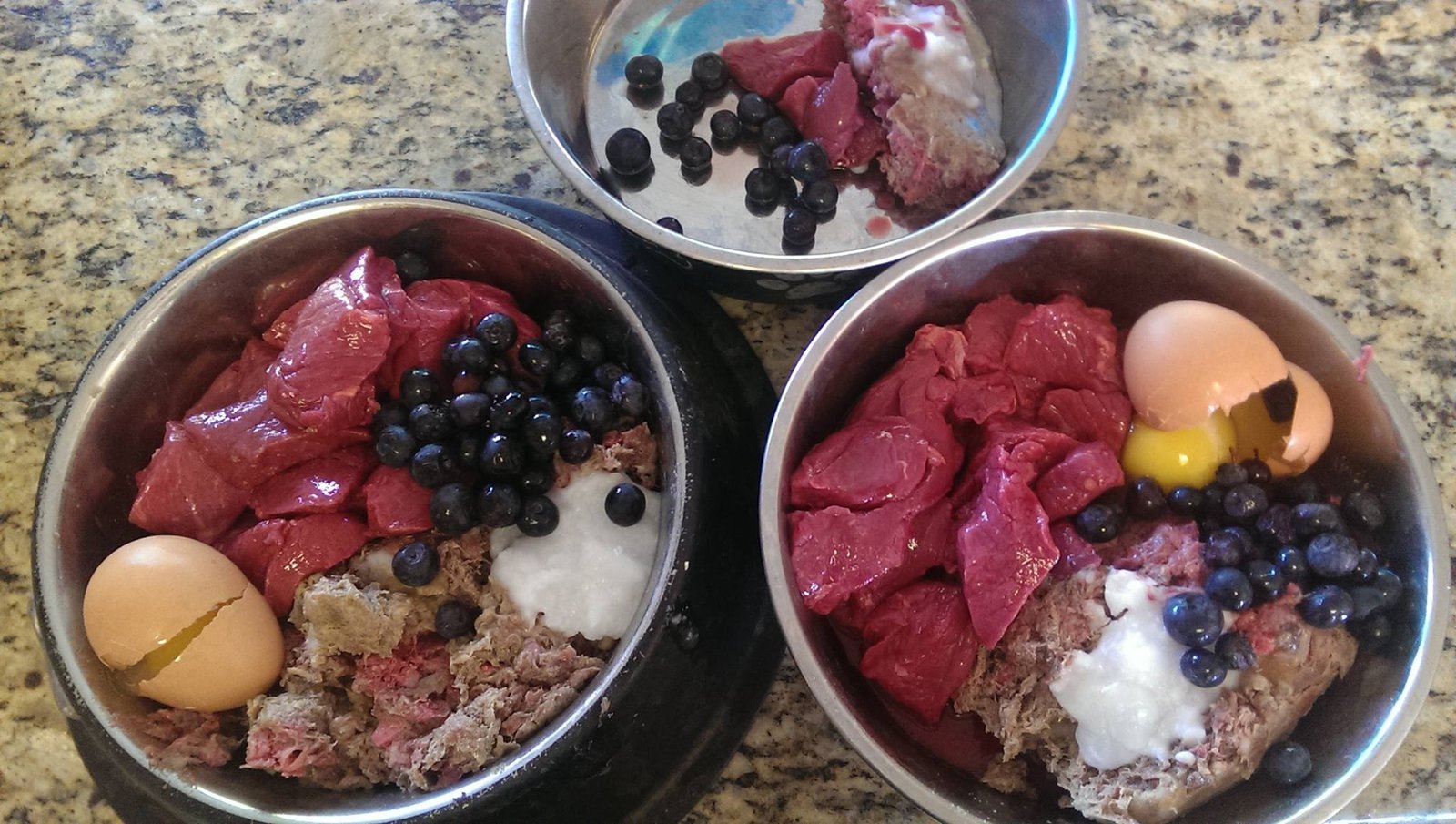
No, you shouldn’t feed your dog human food because many common ingredients like onions, garlic, grapes, and chocolate are toxic to canines. Stick to commercial dog food to ensure they receive a safe, balanced diet without the risk of accidental poisoning or dangerous nutritional imbalances.
How long can wet dog food sit out?
You should remove wet dog food after 20 minutes because it spoils quickly at room temperature. Bacteria growth can lead to food poisoning, so discard any uneaten portion immediately rather than refrigerating and reusing it once it has been exposed to the air for an extended period.
Is it safe to feed a dog once a day?
No, it’s generally recommended to feed your dog regularly to manage blood sugar.
What happens if I overfeed my dog?
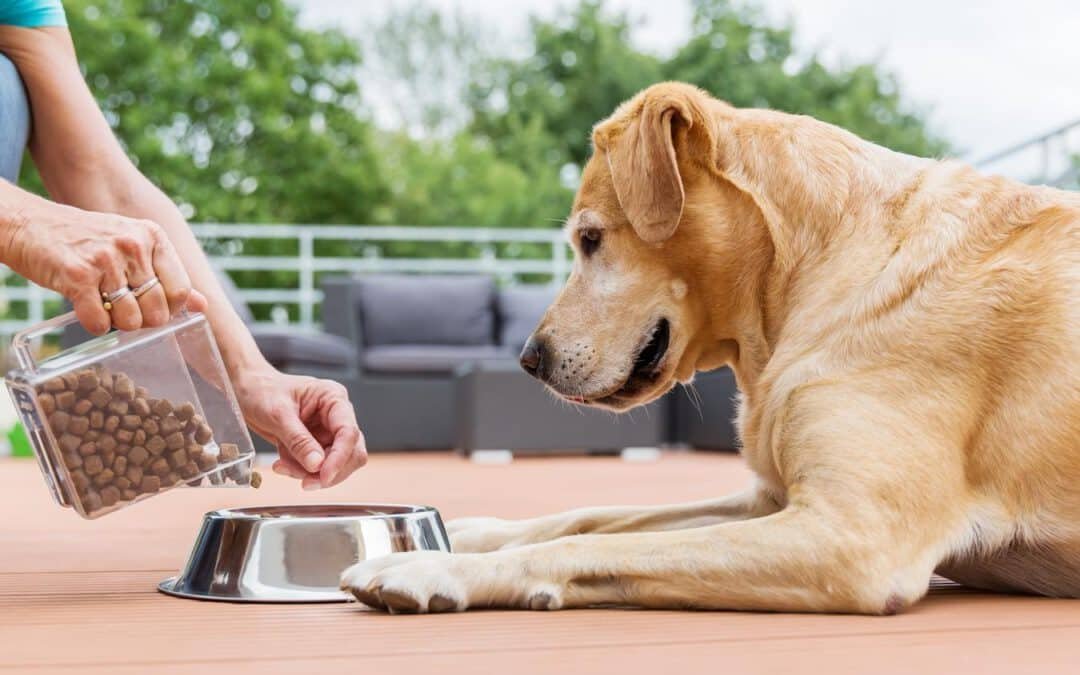
Overfeeding leads to obesity, which puts significant strain on your dog’s joints, heart, and lungs. If you notice your dog is gaining weight, consult your veterinarian to determine an appropriate caloric reduction.
How do I know if my dog is allergic to their food?
You’ll see signs like chronic ear infections, itchy skin, or digestive upset if your dog has a food allergy. If you suspect an allergy, don’t change the diet on your own; consult a veterinarian to perform an elimination diet to identify the specific trigger ingredient.