

If you are wondering what fresh foods are good for dogs, options like carrots, blueberries, and cooked plain pumpkin work well as occasional treats. These provide vitamins and fiber, but must be prepared carefully to avoid choking or digestive issues.
Best fresh foods for dogs
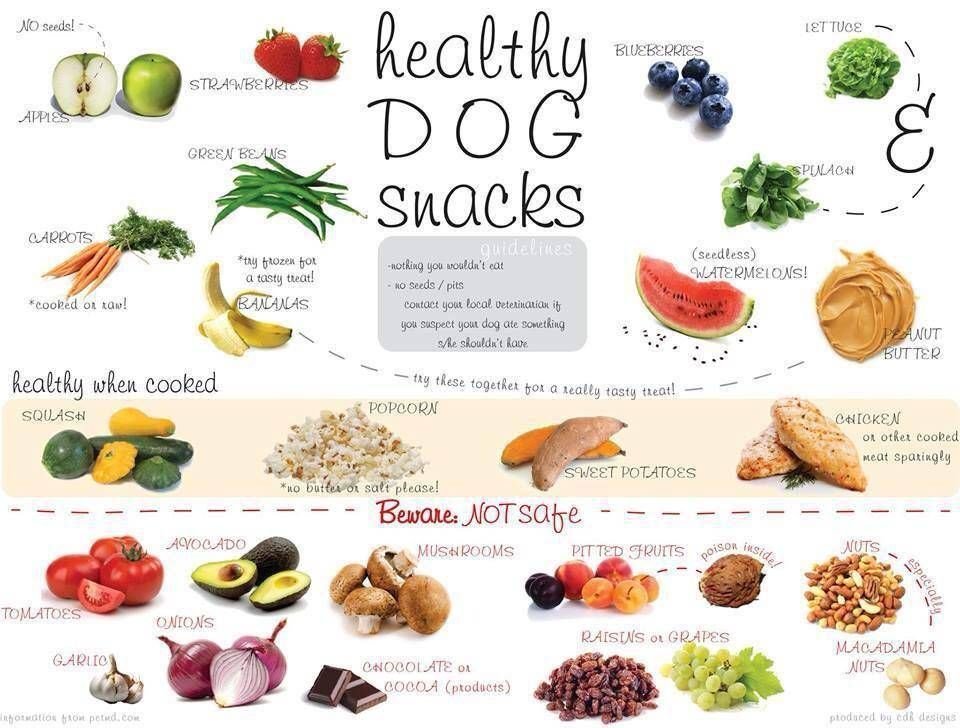
- Wash all vegetables and fruits thoroughly to remove dirt and pesticide residue before serving.
- Remove all seeds, pits, and stems, as these often contain toxins or pose a severe choking hazard.
- Serve fruits like apples in thin, bite-sized slices without the core or seeds.
- Cook vegetables like green beans or carrots until soft if your dog has sensitive teeth.
- Limit fresh food portions to less than 10% of your dog’s total daily caloric intake.
- Consult your veterinarian before adding new foods if your dog has a known health condition.
Why fresh produce helps your dog
Fresh foods offer a natural way to supplement a dog’s diet with moisture, antioxidants, and fiber. Vegetables like carrots are low in calories and provide a satisfying crunch that can help clean teeth, while blueberries are packed with phytochemicals that support overall health. Pumpkin is frequently recommended by veterinarians to help regulate digestion in dogs with mild stomach upset. However, not every human food is safe for canine consumption. It’s vital to prioritize safety over variety. If you’re unsure about a specific fruit or vegetable, check with your local veterinary clinic before offering it. This ensures you avoid common ingredients that trigger allergic reactions or toxic responses in animals.
When the answer is different
| Situation | What changes | What to do instead |
|---|---|---|
| Dental issues | Hardness of food | Steam or boil until soft |
| Sensitive stomach | Fiber content | Start with tiny amounts |
| Overweight dogs | Calorie density | |
| Small breeds | Choking risk | Chop into tiny pieces |
| Chronic illness | Diet restrictions | Follow vet-prescribed plan |
How to do it properly
- Select fresh, firm produce that’s free from mold, bruises, or signs of decay, as rot can harbor harmful bacteria.
- Peel fruits with thick skins, such as melons or cucumbers, to remove wax or chemicals that might irritate a dog’s digestive tract.
- Cut all items into small, manageable pieces based on your dog’s size; a medium dog needs pieces no larger than one square inch.
- Remove all pits from stone fruits like peaches or cherries, as these contain cyanide compounds that are dangerous to canine health.
- Steam hard vegetables like broccoli or cauliflower for five minutes until tender, which makes them easier for the dog to digest.
- Monitor your dog after the first serving to ensure they don’t show signs of vomiting, diarrhea, or unusual lethargy.
The mistakes that ruin it
Feeding grapes or raisins is a lethal error. Even a single handful can trigger acute kidney failure within 24 hours. If your dog consumes any, contact a vet immediately; don’t wait for symptoms like vomiting or lethargy to appear.
Many owners assume kitchen scraps are safe, but onions and garlic destroy red blood cells. This causes hemolytic anemia, which is often invisible until the dog collapses from oxygen deprivation.
Avoid large chunks of raw vegetables or meat. If your dog inhales food without chewing, these pieces become physical blockages in the esophagus. The rule is simple: if the item is larger than the dog’s windpipe, slice it into bite-sized pieces.
Finally, snacks should never exceed 10% of daily caloric intake. Relying on treats can lead to nutritional imbalances by diluting the complete and balanced diet.
Frequently asked questions
Can dogs eat bananas?
Yes, dogs can eat bananas in small amounts. They’re high in potassium and fiber, but they also contain a lot of sugar. Limit your dog to a few thin slices regularly to avoid weight gain.
Is it safe to feed dogs raw broccoli?
Yes, dogs can eat raw broccoli, but it should be served in very small quantities. Too much can cause significant gas and stomach irritation. Always chop it finely to prevent your dog from choking on the thick stalks.
How much pumpkin is safe for dogs?
About one tablespoon of plain, cooked, or canned pumpkin is safe for a medium-sized dog per meal. Ensure the product has no added sugar, salt, or spices, as these additives are harmful to your dog’s digestive system.
Can dogs have strawberries?
Yes, strawberries are safe for dogs in moderation. They contain antioxidants and vitamin C, but you must remove the green leafy top and wash the fruit well to remove any remaining pesticides before serving them.
What happens if my dog eats an onion?
Onions contain compounds that damage a dog’s red blood cells, which leads to anemia. If your dog consumes onions, contact your veterinarian immediately, even if they show no symptoms yet, as the damage can take time to appear.
Does it matter if the fruit is organic?
Yes, choosing organic produce reduces the risk of your dog ingesting harmful pesticides. If you can’t find organic options, wash the fruit or vegetable thoroughly under running water to remove as much chemical residue from the skin as possible.
Final Thoughts
Always introduce new snacks slowly to see how your pup’s tummy reacts, as every dog is a bit different. If you’re ever unsure about a specific fruit or veggie, it’s best to call your vet first. They’ll help you keep your furry friend happy, healthy, and excited for snack time.
Related guides