
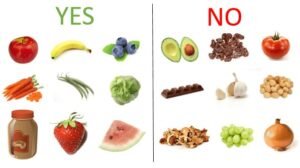
If you are wondering what foods can you feed your dog, they can eat lean meats, many cooked vegetables, and specific fruits. These must be prepared plainly, without added salt, oils, fats, or toxic seasonings, to ensure your pet stays healthy.
The short version
Photo: wgsustentable.com on Google
- Feed plain, cooked chicken or turkey breast with all skin and bones removed.
- Offer steamed carrots, green beans, or plain pumpkin puree in small daily portions.
- Serve fresh apple slices without seeds or the core to avoid choking hazards.
- Provide plain, cooked white rice or sweet potatoes as a bland fiber source.
- Limit treats to 10% of your dog’s daily calorie intake to prevent weight gain.
- Avoid all onions, garlic, grapes, raisins, and chocolate as these are toxic.
Why proper diet matters for dogs
Choosing the right ingredients for your dog is about understanding their unique digestion compared to humans. Dogs are omnivores, meaning they thrive on a balanced diet of meat and plant-based nutrients. The primary rule is that a dog’s digestive system is highly sensitive to additives that we often use in our own cooking. Ingredients like garlic, onions, and chives contain compounds that can damage a dog’s red blood cells, leading to anemia. When you prepare food at home, you must avoid all seasonings, butter, and processed oils. If you’re unsure if a specific food is safe, consult the American Society for the Prevention of Cruelty to Animals list of toxic substances. Always remember that a dog’s dietary needs change based on their age, activity level, and breed, so check the label of your primary commercial food to see if it already provides the necessary balance of vitamins.
When the answer is different
| Situation | What changes | What to do instead |
|---|---|---|
| Puppy growth | Calorie needs | Consult your veterinarian |
| Sensitive stomach | Fiber requirements | Use plain pumpkin |
| Senior dogs | Joint health | Add omega-3 supplements |
| Overweight dogs | Portion control | Reduce treat volume |
| Food allergies | Protein source | Try limited ingredient diets |
How to do it properly
- Boil chicken breast in plain water until the internal temperature reaches 165°F, ensuring no pink remains in the center of the meat.
- Remove all bones and skin carefully, as these create sharp fragments that can cause choking or severe damage to the dog’s intestinal tract.
- Steam vegetables like carrots or green beans until soft; hard, raw vegetables can be difficult for smaller dogs to chew and digest properly.
- Remove all seeds and stems from fruits like apples or pears, as these parts can contain trace amounts of cyanide or cause blockages.
- Mix cooked white rice with the meat to create a bland meal, using a ratio of one part meat to two parts rice.
- Cool all cooked foods to room temperature before serving to prevent burns to your dog’s mouth or tongue during their meal.
The mistakes that ruin it
Adding salt or seasonings to home-cooked meals can lead to sodium poisoning. Dogs lack the physiological capacity to process high salt intake, which causes excessive thirst, tremors, and potentially fatal seizures.
Feeding cooked bones is a common error that creates jagged, glass-like shards. These splinters frequently puncture the stomach lining or lodge in the intestinal tract, requiring emergency surgery that carries a high mortality rate.
Grapes and raisins are deceptively dangerous. Even small quantities of grapes or raisins can trigger sudden, irreversible kidney failure in some dogs. If your dog consumes these, induce vomiting immediately if instructed by a vet.
Finally, never share leftovers containing onions or garlic. These ingredients destroy red blood cells, causing hemolytic anemia. Because the toxins remain potent even after cooking, a small amount in a sauce is just as dangerous as the raw bulb.
Frequently asked questions
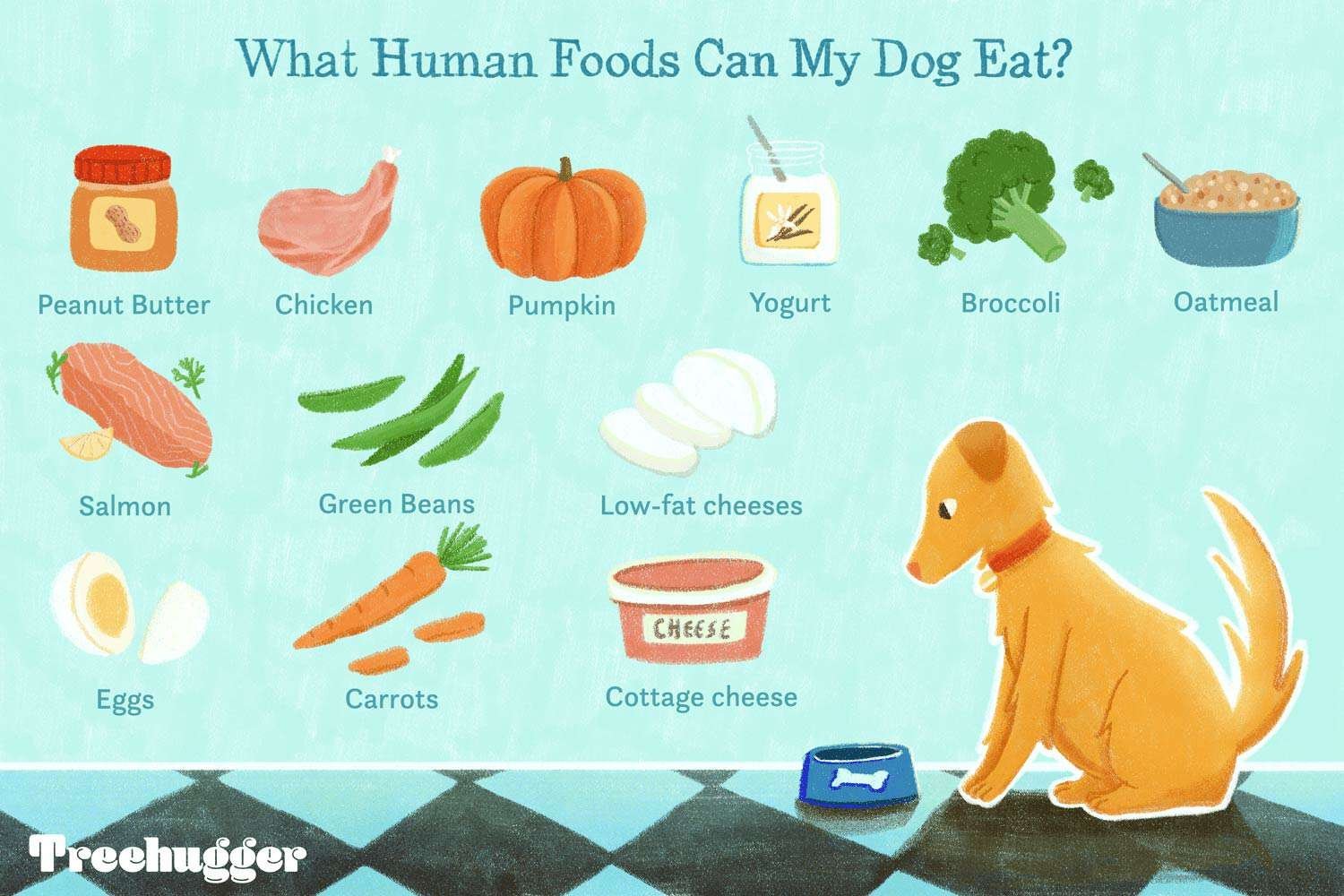
Photo: bowwowinsurance.com.au on Google
Can dogs eat bananas?
Yes, dogs can eat bananas in small amounts because they’re high in potassium and fiber. Limit the serving to a few slices, as their high sugar content can cause weight gain if fed too often.
How long can cooked chicken stay out?
Cooked chicken shouldn’t sit out for more than two hours at room temperature. Bacteria grow rapidly in warm environments, so refrigerate any leftovers immediately in an airtight container to keep the meat safe for the next meal.
Is it safe to feed dogs eggs?
Yes, eggs are a safe, high-protein snack when they’re fully cooked. Never serve raw eggs to your dog, as they carry a risk of salmonella, which can cause illness in both the pet and the human household members.
What happens if my dog eats chocolate?
Chocolate contains theobromine, which is toxic to dogs and can cause heart rhythm problems or seizures. If you suspect your dog has eaten any amount of chocolate, contact your local veterinarian or an emergency animal clinic immediately for professional guidance.
Does it matter if the food is organic?
No, the organic label doesn’t change the toxicity of a food for your dog. Focus instead on whether the ingredient itself is safe, regardless of how it was grown or whether it carries a specific agricultural certification.
Can dogs eat bread?
Plain, fully cooked white or wheat bread is generally safe in very small quantities. Never feed your dog bread dough, as the yeast can continue to expand in their stomach and lead to dangerous bloating or alcohol poisoning.
Final Thoughts
When you decide to introduce a new treat, start with a tiny portion to see how your pup’s stomach reacts. It’s always best to chat with your vet before making big changes to their diet. They’ll help you keep your furry friend happy and feeling their absolute best for years ahead.
Related guides