
Deciding what food is right for my dog depends on your pet’s life stage, activity level, and health needs. You must select a diet that meets Association of American Pet Food Control Officials standards to ensure it provides a complete and balanced profile of essential nutrients.
Quality dog food relies on the balance of proteins, fats, and minerals appropriate for your dog’s age. The most common mistake owners make is choosing food based on marketing buzzwords like “natural” or “holistic” rather than the actual ingredient list and guaranteed analysis. If your dog is a puppy, they need higher calorie density for growth; if they’re a senior, they often require lower calories to prevent weight gain. Always check the label for a statement confirming the food meets these established nutritional requirements.
Choosing the right food for your dog
- Identify your dog’s current life stage: puppy, adult, or senior.
- Select a formula labeled for that specific stage, as nutrient profiles change significantly between growth and maintenance.
- Calculate the daily portion by weight using the guidelines printed on the package, then adjust based on your dog’s body condition.
- Transition to a new food slowly over seven days by mixing increasing amounts of the new food with the old.
- Monitor your dog’s weight and energy levels weekly to see if you need to adjust the daily portion. Tip: If your dog gains weight, reduce the daily portion by 10% rather than changing the brand immediately.
- Consult your veterinarian for a specific diet plan if your dog has known food allergies or chronic health issues.
Daily Feeding Variations
| Situation | Feeding Frequency | Adjustment Factor | What to Watch For |
|---|---|---|---|
| Puppy (under 6 months) | 3-4 times daily | High caloric density | Rapid growth, loose stools |
| Adult (active) | 2 times daily | Moderate energy | Consistent weight |
| Senior (less active) | 1-2 times daily | Lower calorie/fat | Joint stiffness, weight gain |
If your dog consistently leaves food in the bowl, adjust the portion size downward to prevent waste and overeating.
Assessing Your Dog’s Condition
You can tell if your dog is eating the right amount by performing a simple visual and physical check. Look at your dog from above; they should have a visible waistline behind the ribs. Feel their ribs; you should be able to feel them easily without a thick layer of fat covering them. If you can’t feel the ribs, your dog is likely overfed. If the ribs are visibly protruding, they may need more calories. This physical assessment is the most accurate way to judge if the current food and portion size are working correctly.
Mistakes that ruin it
- Sudden diet changes: Switching brands overnight often causes severe digestive upset, including vomiting or diarrhea. Always mix the new food with the old over a full week to allow the gut bacteria to adapt.
- Ignoring the calorie count: Many owners follow the feeding guide on the back of the bag too strictly without considering their dog’s actual activity level. If your dog is sedentary, they might need 20% less food than the package suggests to maintain a healthy weight.
- Feeding human table scraps: Giving human food adds “empty” calories and can lead to obesity or nutrient imbalances. Stick to commercial dog food to ensure they get the vitamins and minerals they need.
- Overestimating the serving size: Using a “handful” as a measurement leads to inconsistent feeding. Use a standard measuring cup every time to ensure your dog receives the exact amount required for their size.
Frequently asked questions
Can I feed my dog human food?
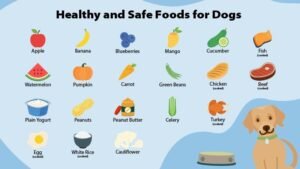
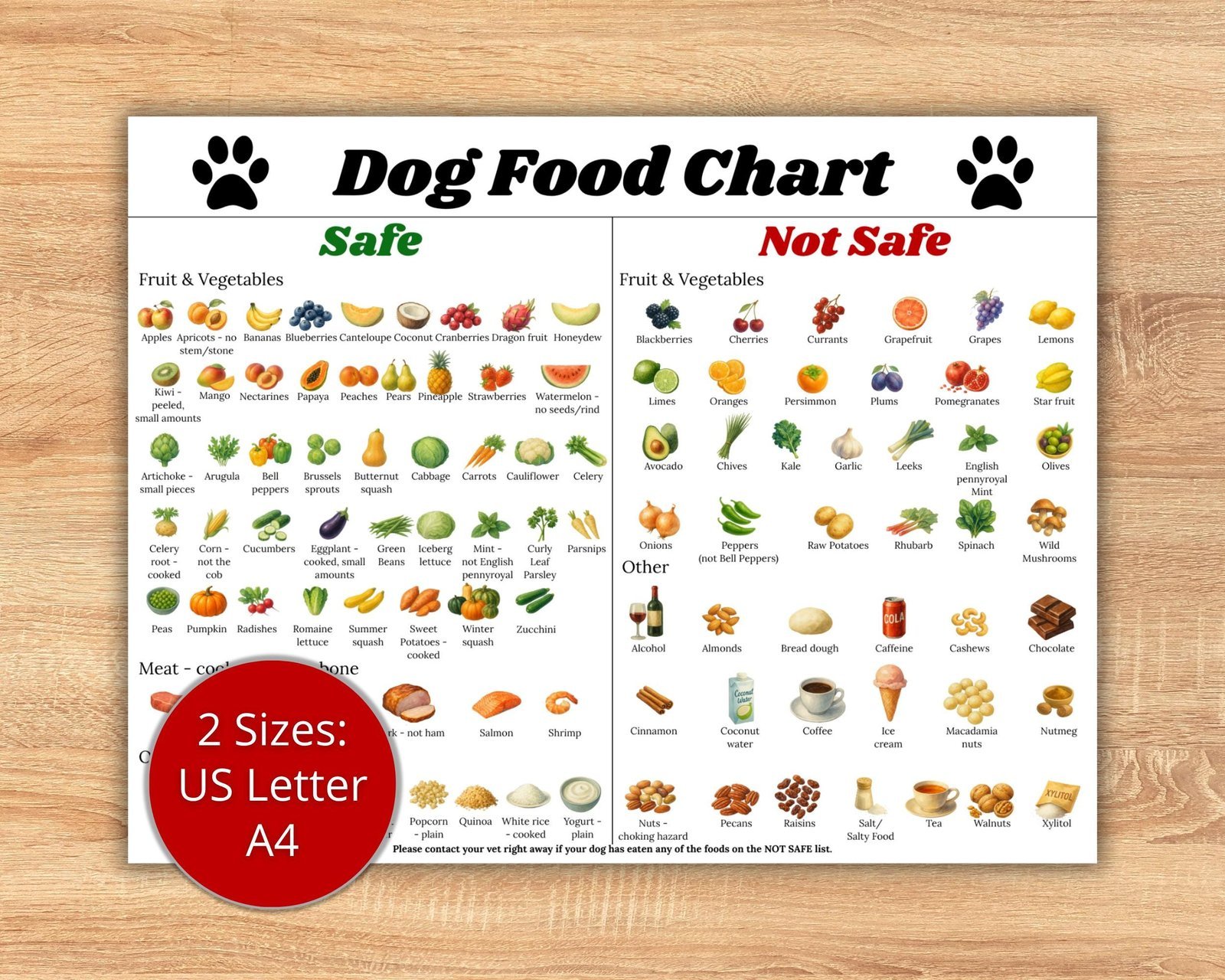
No, you shouldn’t feed your dog human food as a primary diet because it often lacks the specific balance of nutrients dogs require. While some plain vegetables are safe, many human foods contain ingredients like onions, garlic, or excessive salt that are toxic or harmful to dogs.
How do I know if my dog has a food allergy?
Signs of a food allergy include chronic itching, skin infections, or frequent ear issues rather than just digestive upset. If you notice these symptoms, you must visit a veterinarian to perform an elimination diet trial to identify the specific ingredient causing the reaction.
Is grain-free food better for my dog?
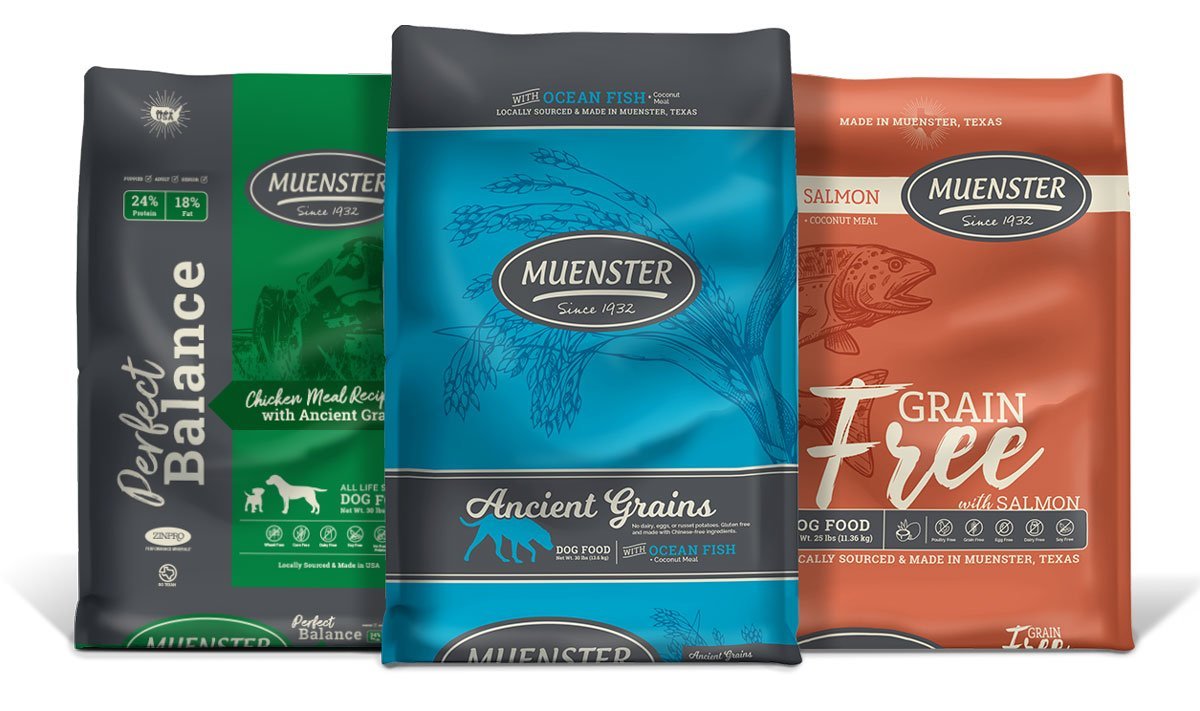
No, grain-free food isn’t inherently better unless your dog has a confirmed medical diagnosis of a grain allergy. Most dogs digest grains like rice or oats well, and these provide necessary fiber and energy for a healthy life.
What happens if I feed my puppy adult food?
Feeding adult food to a puppy can lead to developmental issues because adult formulas lack the higher protein and calcium levels needed for growing bones. You must use a formula specifically labeled for “growth” or “all life stages” during the first year of a dog’s life.
How long should I keep my dog on puppy food?
Most dogs should stay on puppy food until they reach 80% to 90% of their expected adult size. For small breeds, this is usually around 9 to 12 months, while large breeds may need puppy food for up to 18 to 24 months.
Final Thoughts
If you’re still unsure about the best choice, don’t hesitate to schedule a quick chat with your veterinarian. They’ll help you tailor a plan that fits your companion’s unique needs perfectly. It’s a simple step that’ll give you peace of mind while keeping your furry friend happy and healthy for years.