
Dogs should be fed balanced commercial diets formulated to meet AAFCO standards for complete nutrition. These diets provide the right mix of protein, fats, and vitamins for daily health.
The short version
- Choose dry kibble or wet food labeled “complete and balanced” for your dog’s life stage.
- Feed adult dogs twice daily, splitting the total daily calories into two equal servings.
- Always keep fresh, clean water available in a bowl that you wash regularly.
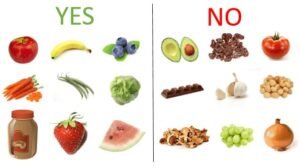
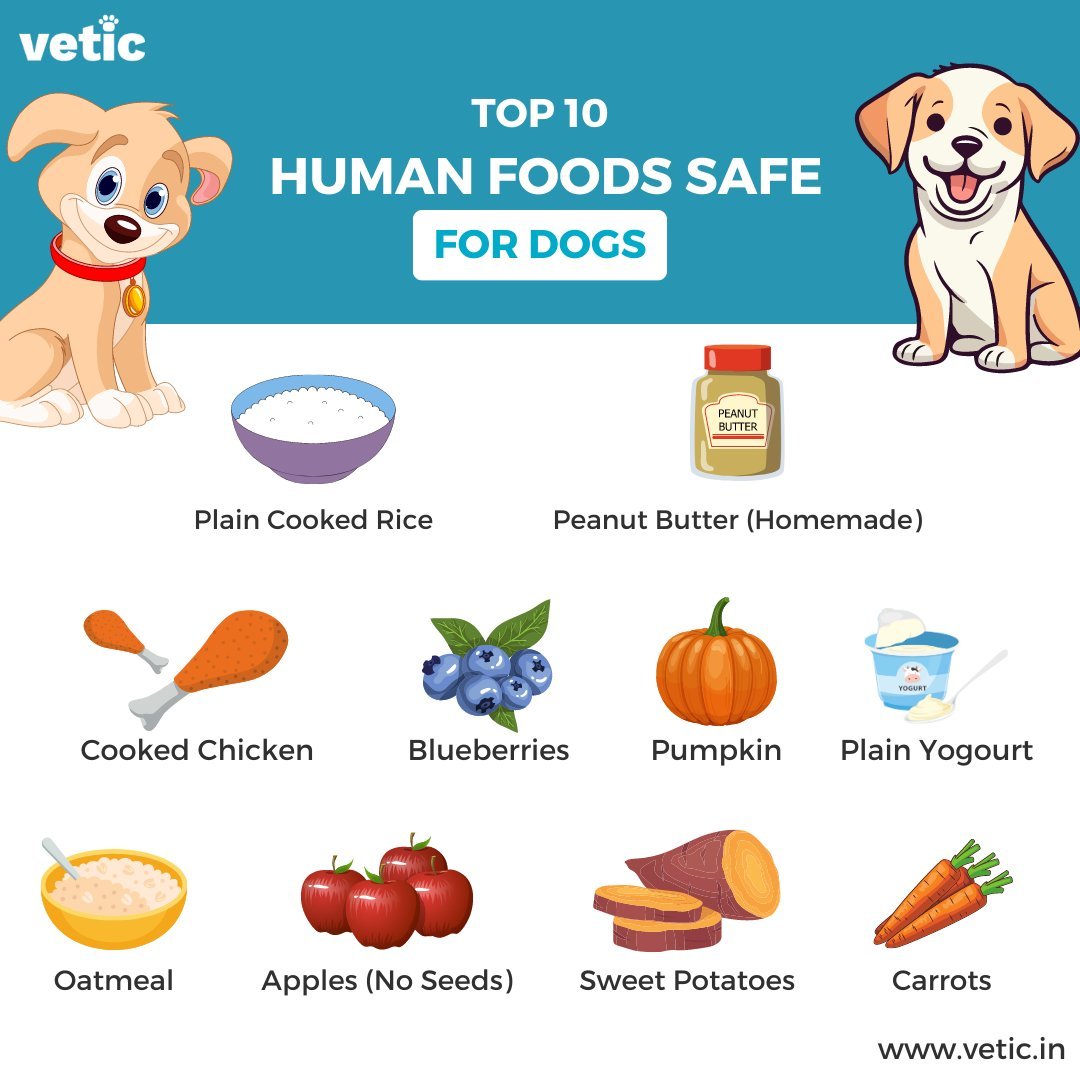
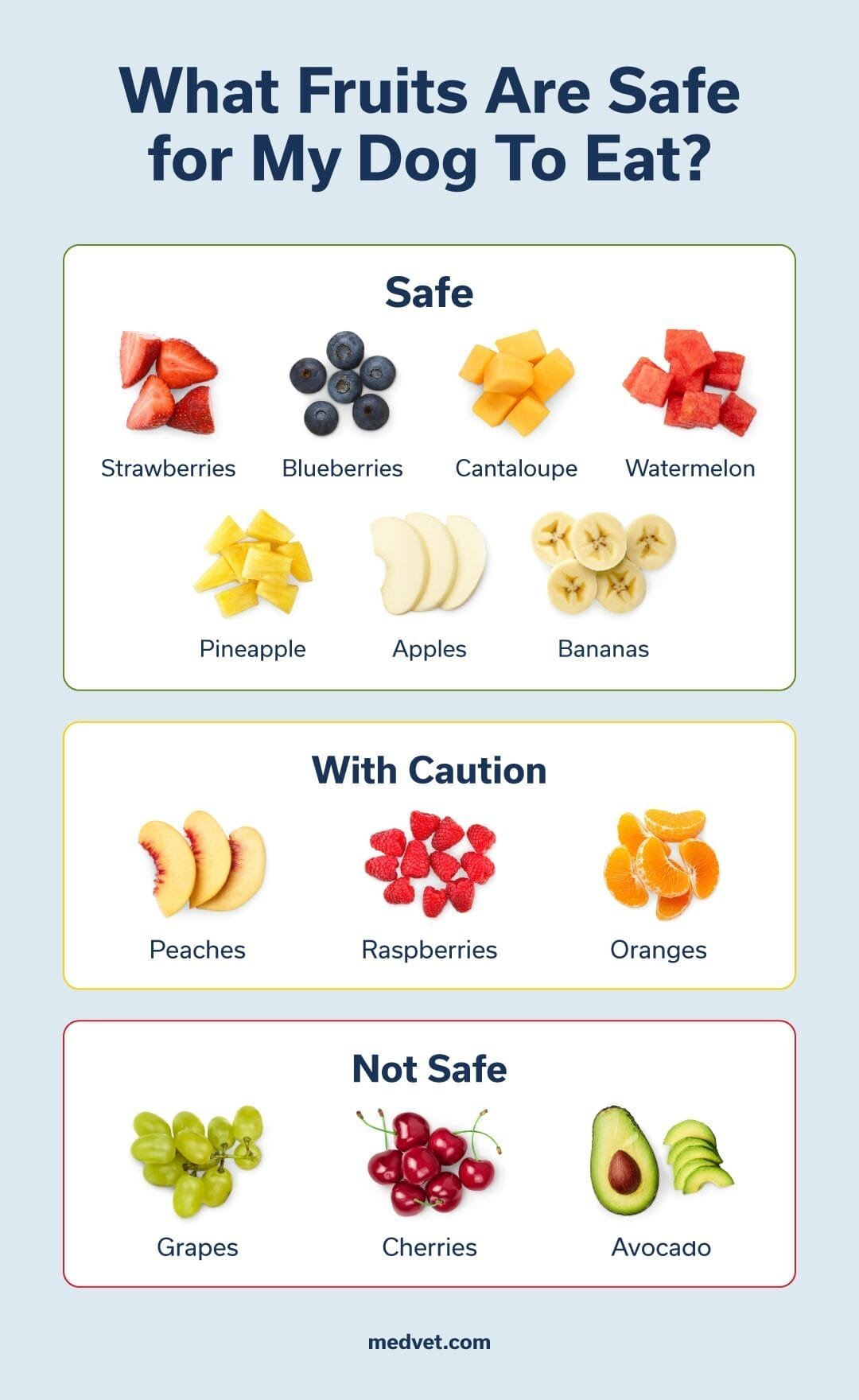
- Avoid giving human foods like onions, garlic, grapes, or chocolate, as these are toxic.
- Measure portions using a standard measuring cup based on the guidelines found on the bag.
- Consult your veterinarian before changing your dog’s diet to prevent digestive upset or weight issues.
Why balanced nutrition matters for pets
Dogs require a precise balance of nutrients to support their immune system, energy levels, and organ function. Commercial pet foods are designed to meet these needs based on the official nutritional guidelines from the Association of American Feed Control Officials. These standards ensure that every bite contains the correct ratio of amino acids, fatty acids, and essential minerals. If you feed your dog a homemade diet without professional guidance, you risk causing severe nutrient deficiencies or imbalances. This is a common mistake that can lead to long-term health problems like bone issues or organ failure. If your dog has specific health conditions, your veterinarian may suggest a prescription diet that’s specially formulated to manage that condition.
When the answer is different
| Situation | What changes | What to do instead |
|---|---|---|
| Puppy growth | Calorie density | Use puppy-specific formulas |
| Weight gain | Portion size | Feed slightly less daily |
| Food allergies | Protein source | Use limited ingredient diets |
| Senior age | Activity level | Switch to senior food |
| High energy | Fat content | Use performance working formulas |
How to do it properly
- Check the bag for the “complete and balanced” label to ensure it meets regulatory standards for your dog’s life stage.
- Calculate the daily portion by reading the feeding chart on the package, which is based on your dog’s current healthy weight.
- Use a standard measuring cup to portion out the food; guessing the amount often leads to weight gain and joint stress.
- Split the total daily amount into two equal meals, serving one in the morning and one in the evening for steady energy.
- Introduce any new food gradually over seven days by mixing it with the old food to prevent vomiting or diarrhea.
- Observe your dog’s body condition; if you can’t feel their ribs under a thin layer of fat, reduce the portion slightly.
The mistakes that ruin it
- Feeding table scraps causes obesity and can lead to pancreatitis from high fat intake.
- Giving food based on “eyeballing” the pile leads to significant overfeeding and health complications.
- Changing brands abruptly causes severe stomach upset and refusal to eat for several days.
- Ignoring the “life stage” label means your dog may miss out on essential growth or maintenance nutrients.
Frequently asked questions
Can I feed my dog raw meat?
Feeding raw meat carries a high risk of bacterial contamination like Salmonella or Listeria, which can make both your dog and your family sick. Most veterinarians advise against this practice.
Is it safe to feed dogs human leftovers?
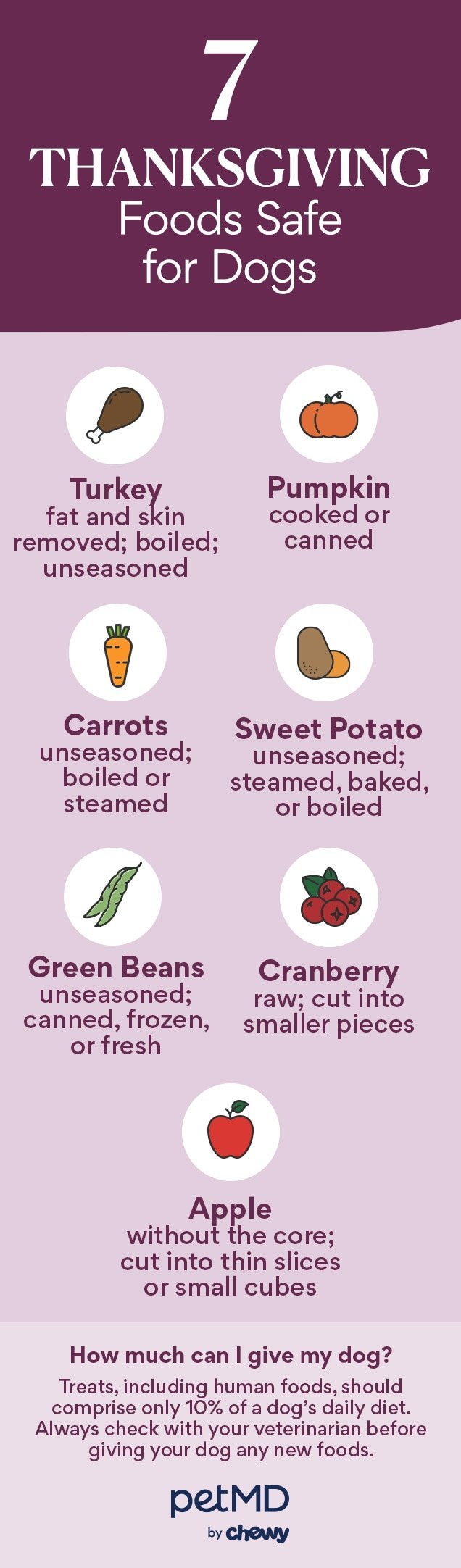
No, many human foods contain ingredients like onions, garlic, or xylitol that are toxic to dogs. Even plain leftovers often have too much fat or salt for their systems.
How much water should a dog drink?
A healthy dog typically drinks about one ounce of water per pound of body weight daily. This varies by activity level, weather, and the moisture content of their food.
What happens if my dog eats chocolate?
Chocolate contains theobromine, which is dangerous for dogs and can cause heart rhythm issues or seizures. Contact your veterinarian immediately if you suspect your dog has eaten any amount.
Does it matter if I feed wet or dry food?
Both are acceptable if they’re nutritionally balanced, though dry food is often cited as beneficial for dental health. Check the label to ensure it’s complete.
How long should a puppy eat puppy food?
Puppies should eat growth-formula food until they reach their adult size, which usually happens between 9 and 18 months. Check with your vet to confirm your specific breed’s needs.
Final Thoughts
Always check the ingredient label before you buy a new bag. If you’re unsure about your pet’s specific needs, don’t hesitate to ask your vet for a recommendation during your next visit. They’ll help you choose a healthy option that’s perfect for your dog’s unique lifestyle and age.