
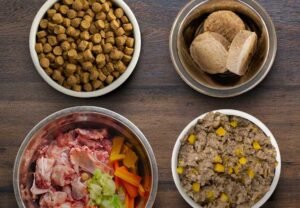
When deciding what food should i get my dog, choose a nutritionally complete option that meets AAFCO standards for your pet’s life stage, age, size, and health needs to ensure they thrive long-term.
Understanding Nutritional Requirements

The most important factor is confirming the food is formulated for your dog’s current life stage. A puppy needs different nutrients than a senior dog. If you feed a growing puppy a diet meant for maintenance, they may miss out on essential nutrients needed for bone and organ development.
The most common mistake owners make is choosing food based on marketing terms like “natural” or “premium” instead of reading the nutritional adequacy statement. This label confirms if the food provides complete and balanced nutrition.
What Food Should I Get My Dog: Selecting the Right Diet
- Check the label for the AAFCO statement. This confirms the food has passed trials or formulation requirements for “growth,” “adult maintenance,” or “all life stages.”
- Match the food to your dog’s size. Large breeds require specific calcium-to-phosphorus ratios to prevent rapid growth, which can lead to joint issues.
- Consult your veterinarian for dogs with specific health conditions. If your dog has allergies or sensitive digestion, your vet can recommend a prescription or limited-ingredient diet.
- Transition the food slowly. Mix in 25% new food with 75% old food for three days, then move to a 50/50 split for another three days before switching fully. Tip: Sudden changes in diet often lead to diarrhea or vomiting.
- Monitor your dog’s weight. If they gain or lose weight unexpectedly, adjust the daily portion size according to the guidelines on the packaging. Tip: The feeding guide on the bag is a starting point, not a strict rule.
Daily Feeding Amounts
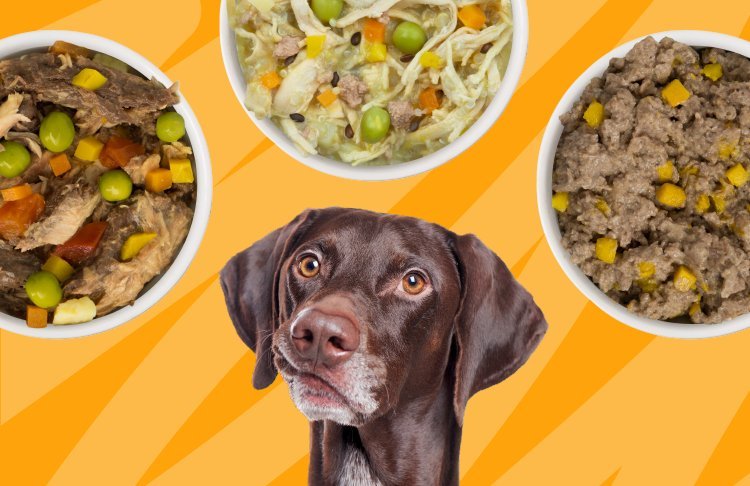
This table shows how feeding needs change based on dog weight and activity.
| Dog Weight | Calories per Day | Activity Level | Adjustment |
|---|---|---|---|
| 10 lbs | 300-400 kcal | Low | Reduce by 10% |
| 30 lbs | 700-900 kcal | Moderate | Maintain label |
| 60 lbs | 1200-1500 kcal | High | Increase by 15% |
| 90 lbs | 1600-2000 kcal | Very High | Increase by 25% |
If your dog is consistently losing weight on the recommended amount, increase their portion by 5% and observe them for one week before making further changes.
Signs of a Good Diet
You can tell if a food is working by observing your dog’s overall physical health. A healthy dog has a shiny coat, firm stools, and consistent energy levels throughout the day. If your dog shows signs of skin irritation or persistent digestive upset, consult a veterinarian, as these are often signs that the current diet isn’t a good match.
Mistakes that ruin it
- Overfeeding treats. Excess calories from snacks lead to obesity, which shortens a dog’s lifespan and puts stress on their joints. Keep treats to no more than 10% of their total daily caloric intake.
- Ignoring the life stage. Feeding adult food to a puppy denies them the extra protein and fat they need to build muscle and support brain development. Always check the label to ensure it matches your dog’s age.
- Switching brands too often. Frequent changes to the base diet can upset a dog’s stomach and make it difficult to identify if a specific ingredient is causing an allergy. Stick to one high-quality, balanced food for at least three months.
Frequently asked questions
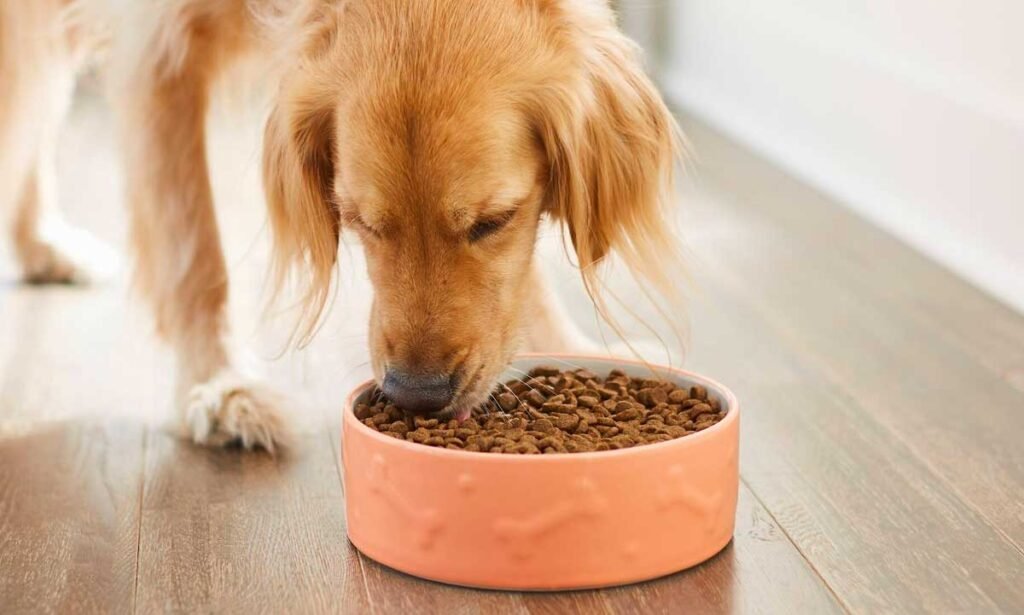
Can I feed my dog human food?
Yes, you can feed dogs small amounts of plain, cooked human foods like carrots, green beans, or plain chicken, but these should never replace a balanced commercial diet. Avoid onions, garlic, grapes, chocolate, and anything containing xylitol, as these are toxic to dogs even in small amounts.
How do I know if my dog is allergic to their food?
If your dog has chronic ear infections, itchy skin, or frequent diarrhea, they may have a food allergy. You should consult your veterinarian to conduct a food elimination trial, which is the only way to accurately identify which specific protein or ingredient is causing the reaction in your dog.
Is grain-free food better for dogs?
No, there’s no scientific evidence that grain-free diets are superior for the average dog. Unless your veterinarian has diagnosed a specific grain allergy, grains like rice, oats, and barley provide essential fiber and energy that support healthy digestion and heart function in most healthy dogs.
How often should I change my dog’s food?
No, you don’t need to change your dog’s food if they’re doing well on their current diet. Once you find a high-quality, balanced food that your dog enjoys and that keeps their weight stable, there’s no nutritional benefit to rotating between different brands or flavors.
What should I do if my dog refuses to eat?
If your dog skips one meal but acts normal, wait until the next scheduled feeding to see if their appetite returns. If they refuse food for more than 24 hours or show signs of lethargy, vomiting, or diarrhea, contact your veterinarian immediately to rule out underlying illness or dental pain.
Final Thoughts
When you’re ready to make a change, talk to your veterinarian about your pet’s unique dietary requirements. They’ll help you transition to a new brand slowly so your dog doesn’t get an upset stomach. It’s a simple way to ensure your best friend stays happy, healthy, and full of energy.