
When considering what food should dog eat, a balanced commercial diet meeting national nutrient profiles is the healthiest choice. Healthy adult canines thrive on complete kibble or canned wet food with named animal proteins, essential fatty acids, digestible carbohydrates, and balanced minerals.
The short version
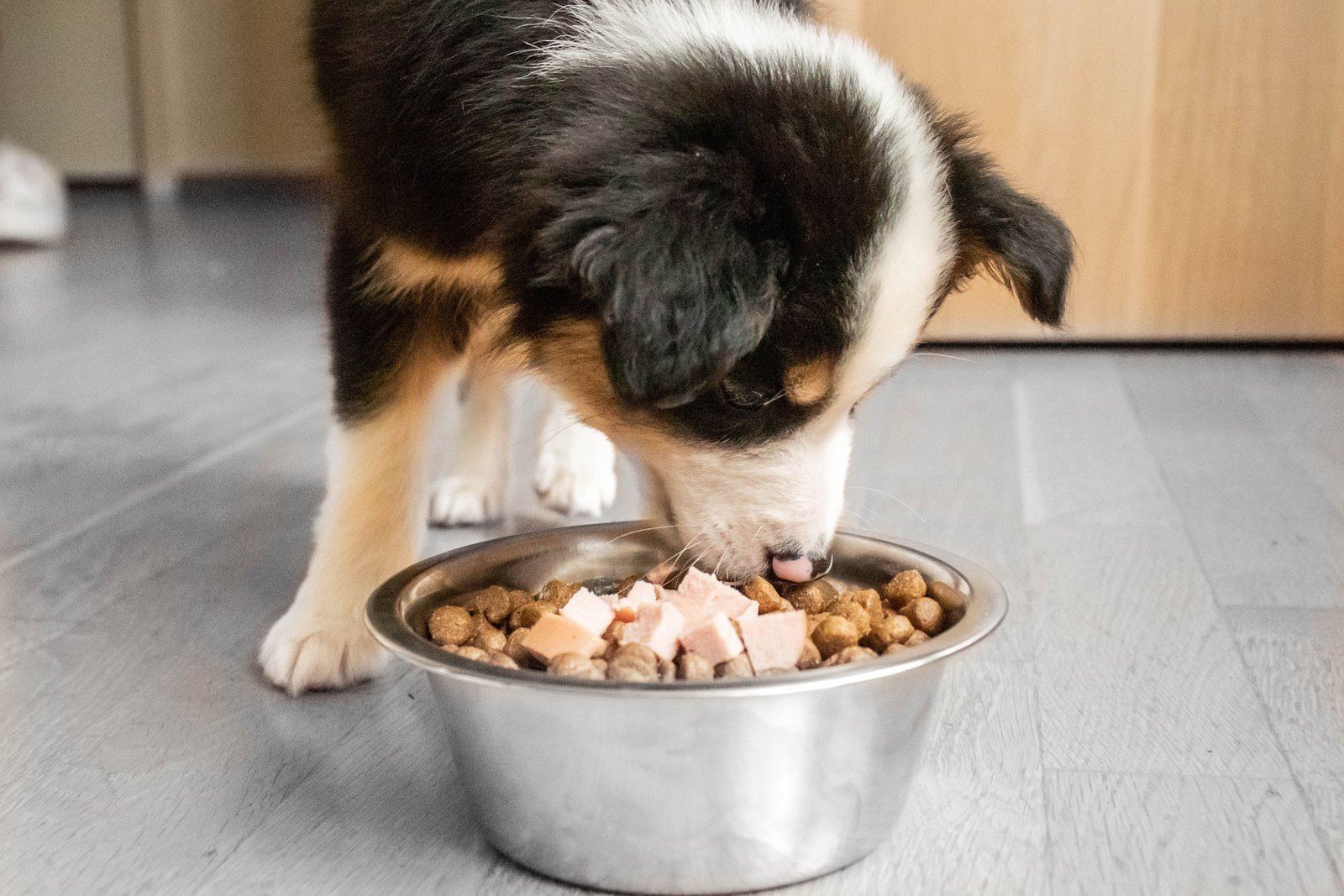
- Feed a commercial diet carrying an official nutritional adequacy statement for your dog’s life stage.
- Choose foods listing a specific whole meat or meat meal as the first ingredient.
- Feed adult dogs, measuring exact dry portions with a standard kitchen scale.
- Keep plain, cooked lean meats and dog-safe vegetables to under ten percent of daily calories.
- Check the bag for a life-stage guarantee: adult maintenance, growth, or all life stages.
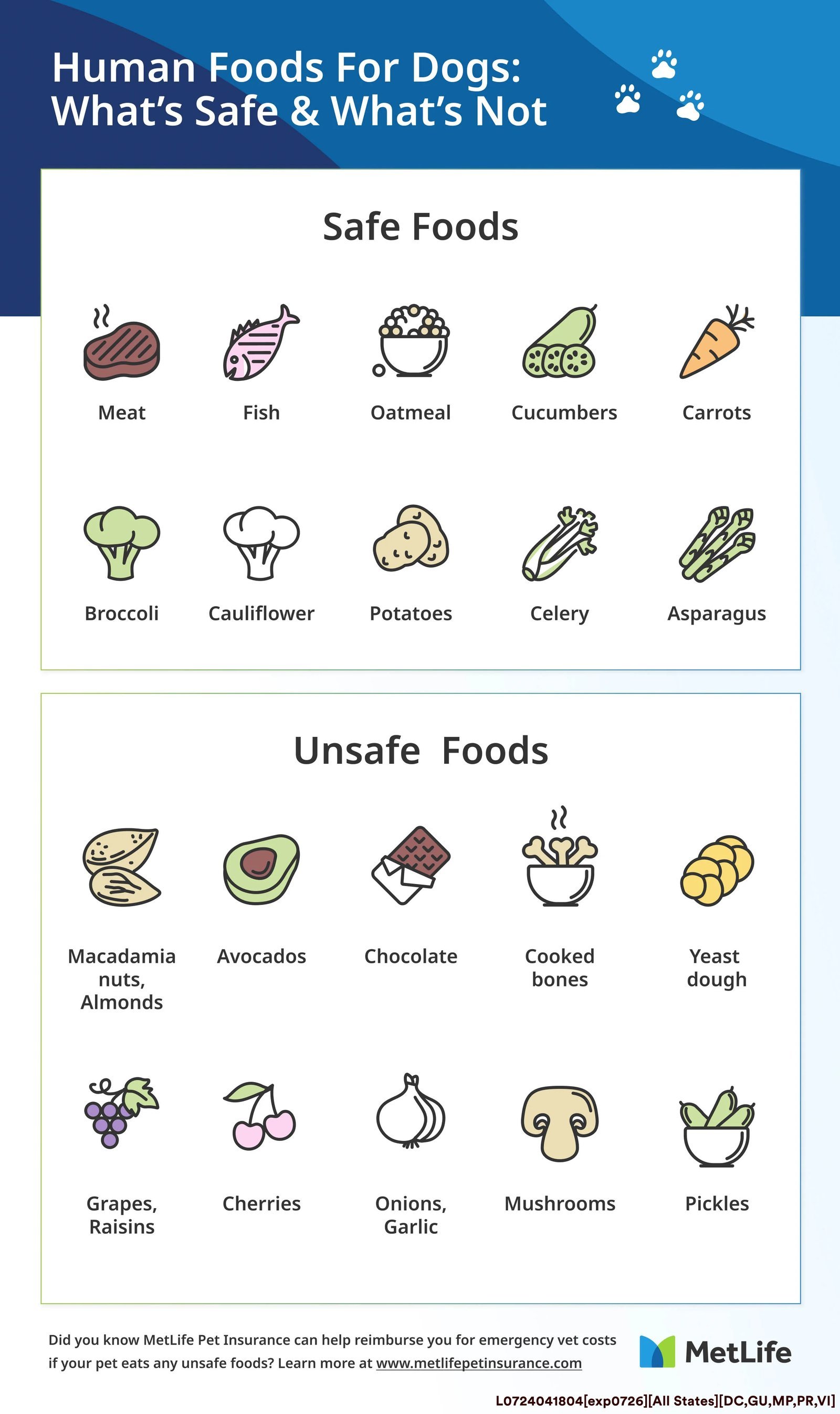
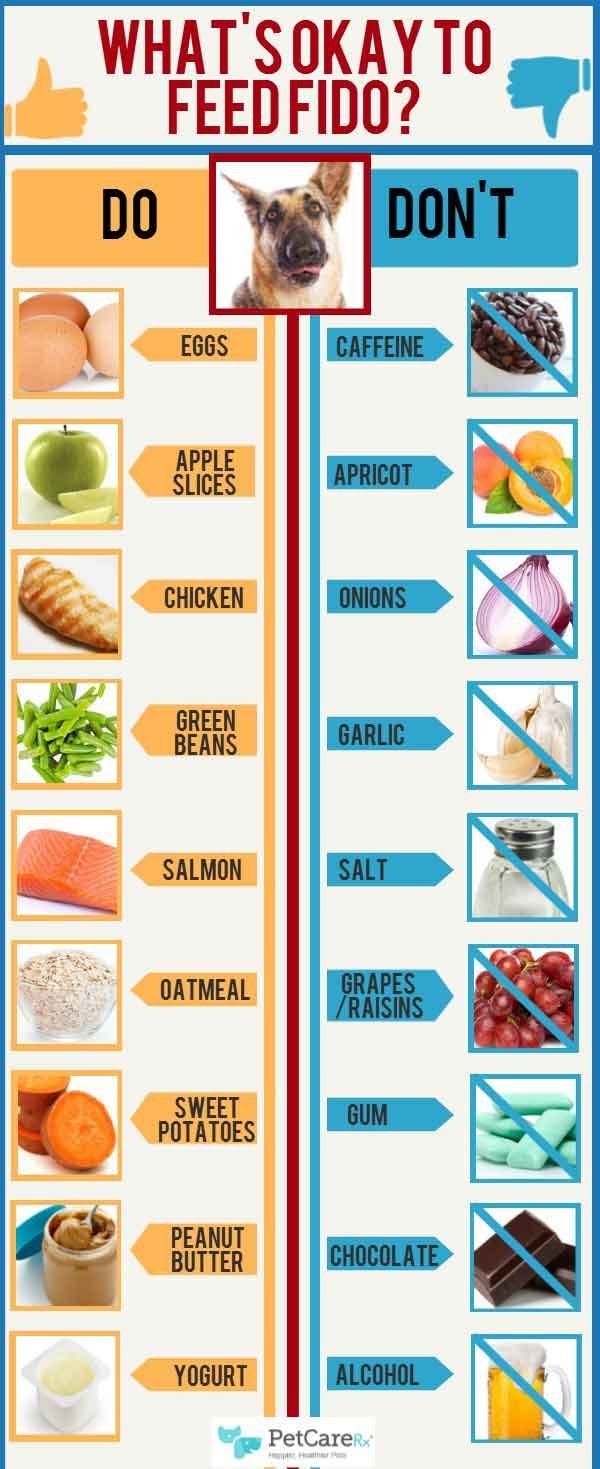
- Avoid onions, garlic, grapes, raisins, chocolate, and any products containing the sweetener xylitol.
Why canine nutrition matters
Dogs need dozens of individual nutrients to maintain their organs, muscles, and bones. While cats are obligate carnivores, dogs are omnivores that digest nutrients from meat, grains, and vegetables. Their digestive tracts break down cooked starches into usable energy, sparing proteins for muscle repair and immune function.
A commercial formula must meet strict biological balances so deficiencies don’t develop over time. The FDA animal food guidance explains that foods labeled “complete and balanced” must match nutrient profiles set by the Association of American Feed Control Officials (AAFCO). Without these standards, mineral imbalances occur rapidly. For instance, feeding an all-meat home-cooked meal causes severe calcium deficiency because skeletal bone requires a precise calcium-to-phosphorus ratio between 1:1 and 2:1. Quality commercial foods maintain this ratio through lab-verified mineral pre-mixes. The specific nutrient profile varies by product—check the label on your dog’s bag to verify its specific life-stage balance.
When the answer is different
Special health conditions and life stages require you to change this standard feeding routine.
| Situation | What changes | What to do instead |
|---|---|---|
| Puppy under 12 months | High energy and mineral demands | Feed dedicated puppy growth formula |
| Chronic kidney disease | Can’t process high phosphorus | Switch to low-phosphorus prescription food |
| Confirmed food allergy | Immune reaction to common proteins | Use hydrolyzed or novel protein |
| Acute pancreatitis flare | Fat triggers painful inflammation | Feed ultra-low-fat veterinary canned food |
| Severe obesity | Excess calories stress joints | Switch to a high-fiber metabolic diet |
What food should dog eat: Doing it properly
- Check the bag label for the phrase “complete and balanced” for your dog’s specific life stage.
- Weigh your dog’s dry kibble on a digital scale in grams, not an uneven volume cup.
- Divide the daily measured allowance into two equal meals spaced roughly ten to twelve hours apart.
- Add 2 to 3 tablespoons of plain water or wet food to provide extra kidney-friendly moisture.
- If the dog weighs under 20 pounds, feed smaller kibble bites; if over 50 pounds, feed large-breed formulas.
- Check your dog’s ribs regularly; you should easily feel them without pressing through heavy fat.
- Wash stainless-steel food bowls with hot water and dish soap after every single meal.
The mistakes that ruin it
Free-feeding from an open, constantly full bowl ruins calorie control and quickly leads to canine obesity. If your dog finishes a bowl in seconds but leaves food out all day, you’re likely overfeeding by 20% or more.
Topping commercial meals with unmeasured table scraps dilutes the formula’s mineral balance and causes nutrient deficiencies. Stick to a strict 90/10 rule: 90% of daily calories must come from balanced kibble, while treats and scraps should never exceed 10%.
Buying large bags of dry food that sit open past six weeks causes essential fats to turn rancid. Rancid food loses its nutritional value and can trigger chronic skin irritation. If you can’t finish a bag within 42 days, buy smaller quantities.
Transitioning to a new brand in a single day disrupts intestinal bacteria, resulting in watery diarrhea and vomiting. Always use a seven-day window to mix the old and new food, gradually increasing the ratio of the new brand.
Frequently asked questions
Can dogs eat a raw meat diet safely?
No, major veterinary organizations advise against it. Raw meat often contains pathogens like Salmonella and Listeria. These bacteria sicken pets and spread to human family members during feeding and cleanup.
Is grain-free dog food healthier for my pet?
No, grains provide easily digestible energy, essential fatty acids, and fiber. Unless a veterinarian confirms a rare grain allergy with an elimination diet, whole grains like brown rice and oats are safe and nutritious.
How much food should an adult dog eat each day?
Adult dogs typically need 25 to 30 calories per pound of body weight daily. Check the caloric density listed on your specific brand’s bag, since calorie counts vary significantly between lightweight and dense formulas.
Can dogs eat human food as a regular meal?
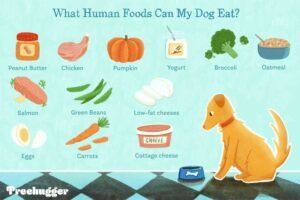
No, human food lacks the balanced calcium, zinc, and vitamin concentrations dogs require. Unseasoned plain cooked chicken, pumpkin, and green beans are safe as occasional treats, but they can’t replace a complete dog meal.
What happens if a dog eats onions or garlic?
Onions and garlic destroy a dog’s red blood cells, causing life-threatening hemolytic anemia. Never feed foods seasoned with onion or garlic powders, as dried forms are highly concentrated and toxic even in very small amounts.
Why is my dog always hungry after eating?
High-carbohydrate, low-fiber foods digest very quickly, which leaves the stomach empty soon after meals. If your dog begs constantly, ask your veterinarian about switching to a diet with higher dietary fiber and lean protein.
Final Thoughts
Consulting your veterinarian is the best way to tailor these general guidelines to your pup’s specific breed and activity level. They’ll help you spot any hidden allergies or sensitivities early on. Once you’ve settled on a quality brand, you’ll feel much more confident that your loyal friend is truly thriving.
Related guides