
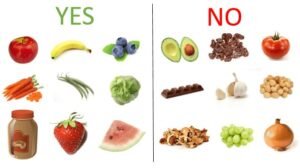
When asking what food should i give to my dog, you should provide a balanced commercial diet formulated for their life stage, activity level, and specific health needs as confirmed by your veterinarian.
Best food to give your dog
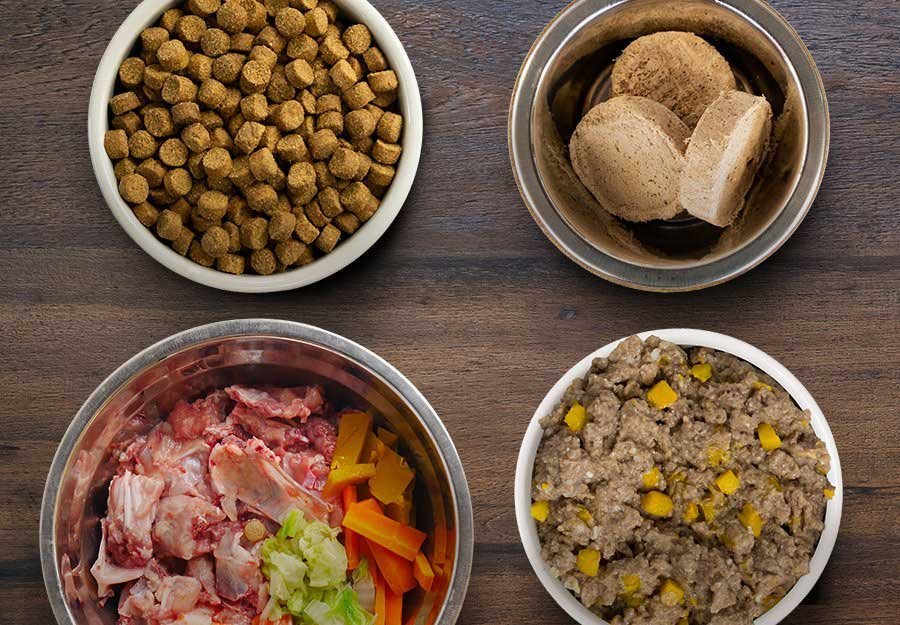
- Choose a commercial dog food that meets the AAFCO nutrient profile standards for your dog’s specific life stage.
- Measure portions using a standard kitchen scale rather than a cup to ensure you hit the exact daily caloric goal.
- Check the product label for the “complete and balanced” statement to ensure all essential nutrients are present in the mix.
- Divide the total daily amount into two or more smaller meals to support healthy digestion throughout the day.
- Monitor your dog’s body condition score regularly and adjust the daily feed amount if they gain weight.
- Consult your veterinarian before adding supplements or switching to a homemade diet to prevent dangerous nutritional imbalances.
Why proper nutrition matters for dogs
Choosing the right fuel for your dog is essential because their bodies require a precise balance of proteins, fats, vitamins, and minerals to maintain organ function and coat health. Unlike humans, dogs have very specific dietary requirements that change as they move from puppyhood to senior years. Puppies need more calories and calcium for bone growth, while senior dogs often require lower calorie counts to prevent obesity. According to the Association of American Feed Control Officials, a “complete and balanced” label indicates the food has been tested or formulated to meet the nutritional needs of a dog at a specific stage of life. If you feed a puppy food to a sedentary adult dog, you risk rapid weight gain, while feeding adult food to a growing puppy can lead to skeletal development issues. Always read the packaging carefully to match the product to your dog’s current age and activity level.
When the answer is different
| Situation | What changes | What to do instead |
|---|---|---|
| Puppy | Growth requirements | Feed puppy-specific formula |
| Senior dog | Metabolism slows | Lower calorie senior food |
| Food allergy | Protein source | Use hydrolyzed protein diet |
| High activity | Energy needs | Increase working dog formula |
| Pregnancy | Nutrient density | Use high-calorie lactation food |
How to do it properly
- Identify your dog’s target weight by feeling their ribs; they should be easy to feel without a thick layer of fat covering them.
- Calculate the daily caloric requirement based on your dog’s current weight, starting with the guidelines provided on the back of the food bag.
- Use a digital food scale to weigh out the exact grams for each meal, as volume measurements like cups vary by food density.
- Split the total daily weight into two equal meals, feeding one half in the morning and the other half in the evening for stability.
- Observe your dog for 30 minutes after eating to ensure they don’t show signs of bloating, lethargy, or severe stomach discomfort.
The mistakes that ruin it
- Feeding human table scraps leads to dangerous nutrient imbalances and often contributes to unwanted obesity.
- Guessing the portion size by eye causes overfeeding, which puts unnecessary stress on your dog’s joints and heart.
- Switching food brands abruptly causes severe gastrointestinal upset, leading to vomiting and diarrhea for several days.
- Ignoring the “best by” date on the bag can result in rancid fats, which are unpalatable and harmful to your dog.
Frequently asked questions

Can I feed my dog raw meat?
Feeding raw meat carries significant risks of bacterial contamination, such as Salmonella, which can affect both the dog and the humans in the household. Most veterinarians advise against raw diets due to the high risk of nutritional deficiencies and foodborne illness.
How do I know if the food is high quality?
High-quality foods list a specific animal protein, such as chicken or beef, as the first ingredient on the label.
Is grain-free food better for dogs?
No, grain-free food isn’t inherently better for the average dog unless they have been diagnosed with a specific grain allergy by a veterinarian. Grains provide essential energy and nutrients that support a healthy heart and digestive tract in most dogs.
How often should I change my dog’s diet?
You should keep your dog on the same food for as long as they’re healthy and maintaining a good body condition. Constant switching is unnecessary and often leads to upset stomachs unless your veterinarian recommends a change for medical reasons.
What should I do if my dog stops eating?
A dog that stops eating for more than 24 hours requires a visit to the veterinarian to rule out underlying illness. Don’t attempt to force-feed your dog or wait for the issue to resolve on its own if they act lethargic.
Does the price of dog food matter?
Price doesn’t always correlate with nutritional quality, but very cheap foods may use lower-quality fillers that are harder to digest. Focus on the ingredient list and the AAFCO statement rather than the cost per bag to ensure safety.
Final Thoughts
Choosing the right nutrition is a journey you’ll take together as your companion grows. Since every dog is unique, don’t hesitate to schedule a quick checkup with your vet to refine their meal plan. You’ll feel much better knowing they’re getting exactly what they need to stay happy and healthy.
Related guides