
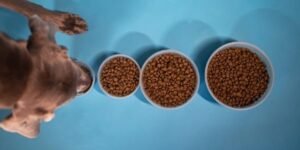
When considering what food should you feed your dog, choose a balanced commercial diet labeled as complete and nutritionally adequate for their life stage. Check the AAFCO statement on the packaging to ensure the product meets basic nutritional requirements.
The most important factor is consistency in the dog’s life stage. A puppy has different calorie and mineral needs than a senior dog, and mixing these can lead to growth issues or obesity. The common mistake is switching brands abruptly, which often causes stomach upset, vomiting, or diarrhea. Always transition to new food over seven to ten days by mixing increasing amounts of the new brand with the old one.
How much food to feed your dog
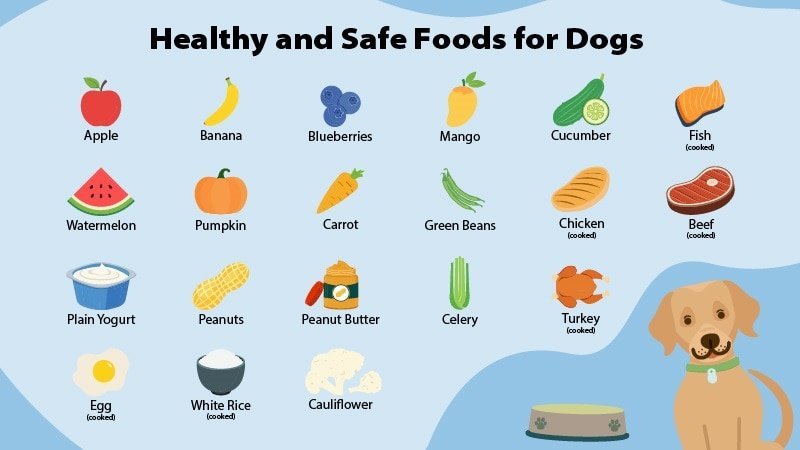
- Calculate the daily caloric needs based on your dog’s weight and activity level, typically provided on the food bag’s feeding chart.
- Divide the total daily amount by the number of meals you plan to serve, usually two for adult dogs.
- Use a standard measuring cup or a digital scale to ensure you aren’t overfeeding, as excess weight causes joint stress.
- Monitor your dog’s body condition score weekly; if you can’t feel their ribs under a thin layer of fat, reduce the portion by ten percent.
- Store dry kibble in an airtight container in a cool, dry place to maintain freshness and prevent mold growth.
- Consult your veterinarian for specific dietary plans if your dog has known allergies, kidney disease, or requires a prescription diet for medical conditions.
Tip: Don’t rely on “eyeballing” the amount in the bowl; even a small extra scoop daily leads to significant weight gain over months.
Tip: If your dog stops eating or shows sudden lethargy, contact a professional veterinarian immediately rather than trying to change their diet yourself.
Feeding Time Estimates
If your dog leaves food in the bowl for more than twenty minutes, remove the dish until the next scheduled meal time to establish a healthy routine.
Signs of Proper Nutrition

You can tell if the current diet is working by observing your dog’s physical condition and energy levels. Healthy dogs maintain a steady weight, have a shiny coat without excessive shedding, and produce firm, consistent stools. If the dog’s coat becomes dull or they seem perpetually hungry, it may signal that the food lacks sufficient fat or protein quality for their specific metabolism.
What Food Should You Feed Your Dog to Avoid Health Mistakes
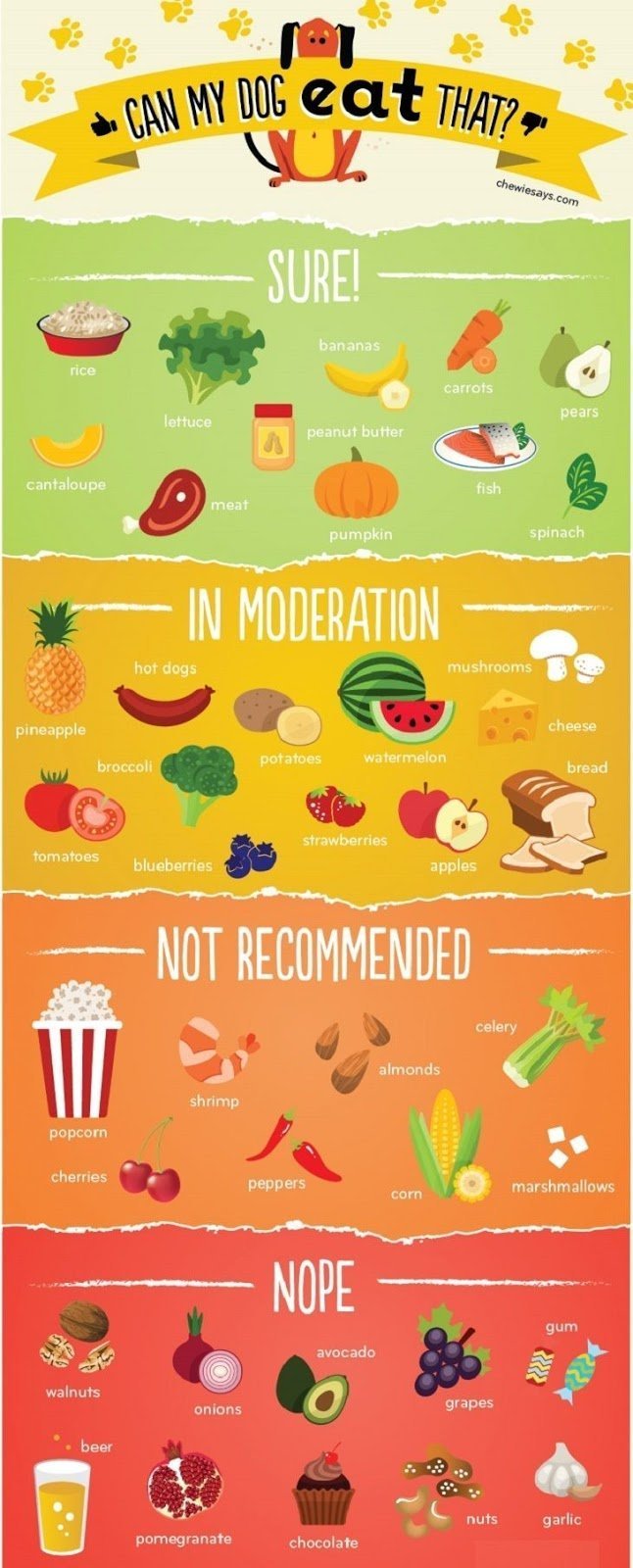
- Feeding human table scraps: These often contain high salt, sugar, or toxic ingredients like onions and garlic that can cause pancreatitis or organ failure. Stick to dog-specific treats and measure them as part of the total daily calorie intake.
- Rapid diet changes: Changing brands overnight disrupts the gut microbiome and leads to severe digestive distress. Always allow a full week to transition between products to let the stomach flora adjust.
- Ignoring calorie density: Many owners treat all kibble as equal, but high-performance diets are much more calorie-dense than standard maintenance formulas. Check the kcal per cup on the bag and adjust portions if you switch to a more nutrient-dense product.
- Free-feeding: Leaving food out all day makes it impossible to track intake, leading to obesity and food guarding behaviors. Set specific meal times to maintain control over your dog’s nutrition and weight.
Frequently asked questions
Can I feed my dog raw meat?
Feeding raw meat carries significant risks of bacterial contamination, such as Salmonella and Listeria, which can affect both the dog and the human household. Most veterinarians advise against home-prepared raw diets due to the difficulty of achieving a nutritionally balanced profile without causing dangerous deficiencies or bone-related injuries.
How long can wet food sit out?
Wet food shouldn’t sit out for more than two hours at room temperature. Once opened, canned food must be refrigerated and used within three days to prevent bacterial growth. If the dog doesn’t finish the meal within that time, discard the remainder to prevent foodborne illness.
Is grain-free food better for dogs?
No evidence shows that grain-free diets provide health benefits for the average dog. Unless a veterinarian has diagnosed a specific grain allergy, grains like rice, corn, and oats are excellent sources of energy and fiber that support a healthy digestive tract and overall heart health.
What happens if I overfeed my dog?
Overfeeding leads to obesity, which significantly shortens a dog’s lifespan and increases the risk of diabetes, arthritis, and heart disease. Even a few extra pounds put immense pressure on a dog’s joints and organs, so strict portion control is essential for long-term health and mobility.
How do I know if my dog is allergic to their food?
Signs of food allergies include chronic ear infections, itchy skin, paw licking, and persistent gastrointestinal upset. If you notice these symptoms, consult your veterinarian to conduct an elimination diet trial, as these issues are often caused by specific proteins rather than the food brand itself.
Final Thoughts
Ultimately, your dog’s health depends on consistent quality and careful observation. If you’re ever unsure about a new brand or a change in your pet’s appetite, don’t hesitate to call your veterinarian. They’ll help you tailor a plan that keeps your furry friend feeling their best for years to come.
Related guides