

Deciding what food to feed dog requires prioritizing balanced commercial options that meet AAFCO nutrient profiles. You should select a diet based on your pet’s life stage, weight, and activity level to ensure complete nutrition and long-term health.
Best food to feed your dog

- Check for an AAFCO statement on the label to verify the food is nutritionally complete.
- Select formulas labeled for your dog’s specific life stage, such as puppy, adult, or senior.
- Measure portions using a standard measuring cup based on the feeding guide on the bag.
- Transition to new food slowly over 7 to 10 days by mixing it with the old.
- Keep fresh, clean water available at all times for proper digestion and hydration.
- Monitor your dog’s weight monthly and adjust the daily amount if their body condition changes.
Why nutrition matters for canine health
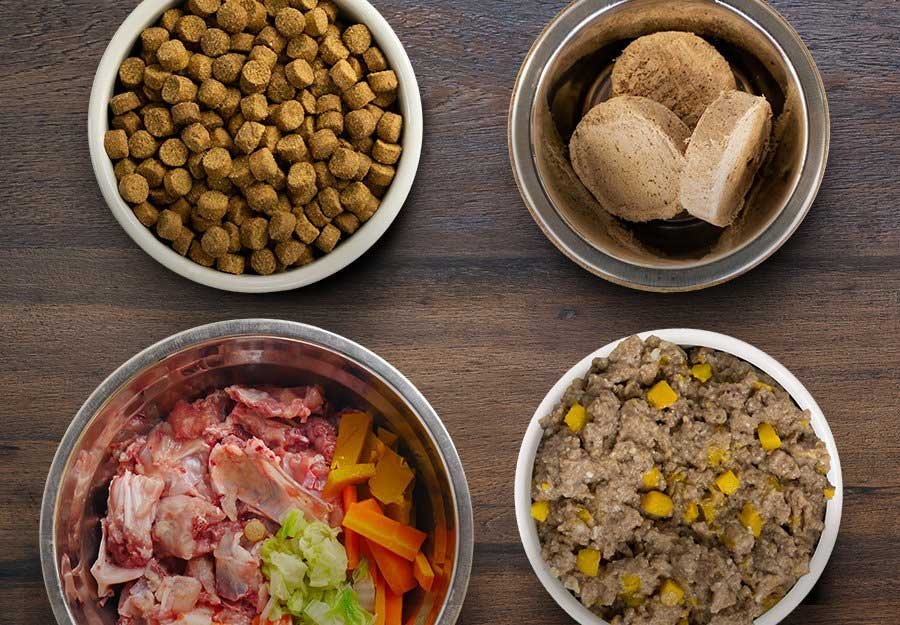
The primary reason to choose commercial diets is that they’re formulated to provide a precise balance of proteins, fats, vitamins, and minerals. Dogs have specific dietary requirements that are difficult to meet with home-cooked meals unless you work with a veterinary nutritionist. This ensures your dog gets the necessary amino acids and calcium levels required for their size and age. If you choose to feed a raw or homemade diet, you risk serious nutritional deficiencies or bacterial contamination. Always consult your veterinarian before changing your dog’s diet significantly, especially if your pet has a history of allergies or organ-related health issues. The label on the bag is your best tool for ensuring your pet isn’t missing any essential nutrients.
When the answer is different
| Situation | What changes | What to do instead |
|---|---|---|
| Puppy | High growth needs | Use puppy-specific growth formulas |
| Senior dog | Lower energy needs | Switch to low-calorie senior food |
| Food allergies | Protein source | Use limited-ingredient hypoallergenic diets |
| Working dogs | Energy output | Increase portions for high activity |
How to do it properly
- Read the back of the bag to find the recommended daily amount for your dog’s weight and activity level.
- Use a standard measuring cup to portion out the food; never guess, as small errors lead to long-term obesity in dogs.
- Mix 25% new food with 75% old food for the first three days to prevent stomach upset and digestive distress.
- Increase to a 50/50 mix for the next three days, watching for any changes in stool consistency or energy levels.
- Move to 75% new food for another three days, ensuring the dog accepts the flavor and shows no signs of bloating.
- Serve the full portion of the new food on day ten if the dog has transitioned without any negative side effects.
The mistakes that ruin it
- Feeding human table scraps often leads to obesity and can cause dangerous inflammation of the pancreas.
- Switching food brands abruptly without a transition period frequently causes severe diarrhea or vomiting in dogs.
- Leaving food out all day encourages overeating and makes it impossible to track exactly how much your dog consumes.
- Ignoring the feeding guide on the package leads to nutritional imbalances, as you might be providing too few calories.
Frequently asked questions
Can I feed my dog human food?
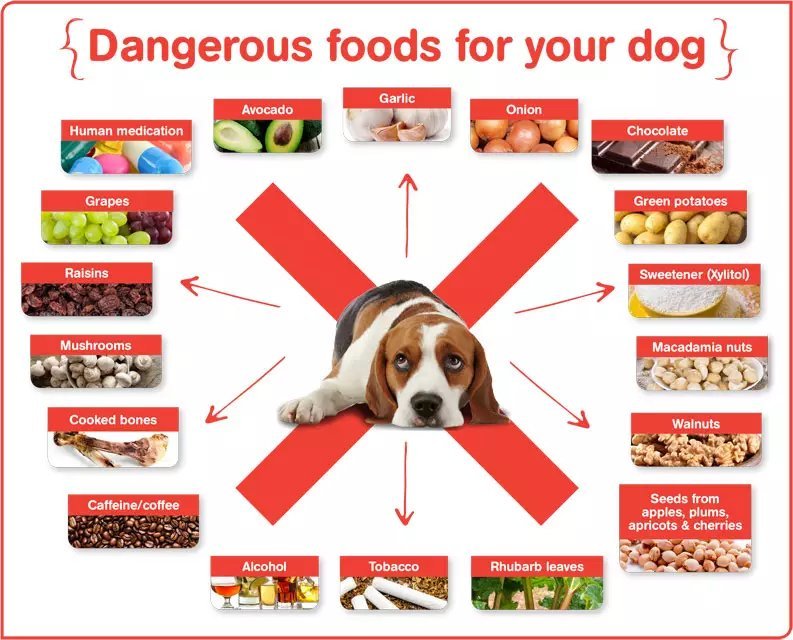
No, most human foods aren’t balanced for canine needs and some are toxic. Keep items like onions, garlic, grapes, and chocolate away from your pet at all times as they can cause severe health damage.
How many times a day should I feed my dog?
Most adult dogs thrive on two meals per day, one in the morning and one in the evening. This schedule helps regulate their metabolism and keeps their energy levels stable throughout the day without causing hunger.
Is grain-free food better for dogs?
No, grain-free diets aren’t scientifically proven to be better for the average healthy dog. Unless your veterinarian diagnoses a specific grain allergy, standard formulas containing grains are safe and provide excellent fiber and energy.
How do I know if my dog is the right weight?
You should be able to feel your dog’s ribs easily without pressing hard, and they should have a visible waist when viewed from above. If you can’t feel the ribs, consult your veterinarian about reducing their daily intake.
Does the price of dog food matter?
Yes, higher-priced foods often use higher-quality ingredients and undergo more rigorous testing for nutritional consistency. Check the label for specific protein sources and avoid brands that rely heavily on fillers or unnamed meat by-products.
What should I do if my dog stops eating?
If your dog skips more than two meals, contact your veterinarian immediately to rule out illness. A sudden loss of appetite is often one of the first signs of underlying health problems that require professional medical attention.
How long does a bag of dog food last?
This varies by bag size and your dog’s intake — check the label for the “best by” date and store it in a cool, dry place. Once opened, seal the bag tightly or use an airtight container to keep the kibble fresh and prevent spoilage.
Final Thoughts
If you’re still unsure about the best choice, don’t hesitate to schedule a quick chat with your veterinarian. They’ll help you tailor a plan that fits your pup’s unique needs perfectly. It’s a simple step that’ll give you real peace of mind while keeping your furry friend happy and healthy.