
When asking what food should i give my dog, look for a balanced commercial diet labeled for their specific life stage. Most owners find that choosing the right food depends on age, weight, and activity level rather than expensive branding.
What food should I give my dog? Our top picks
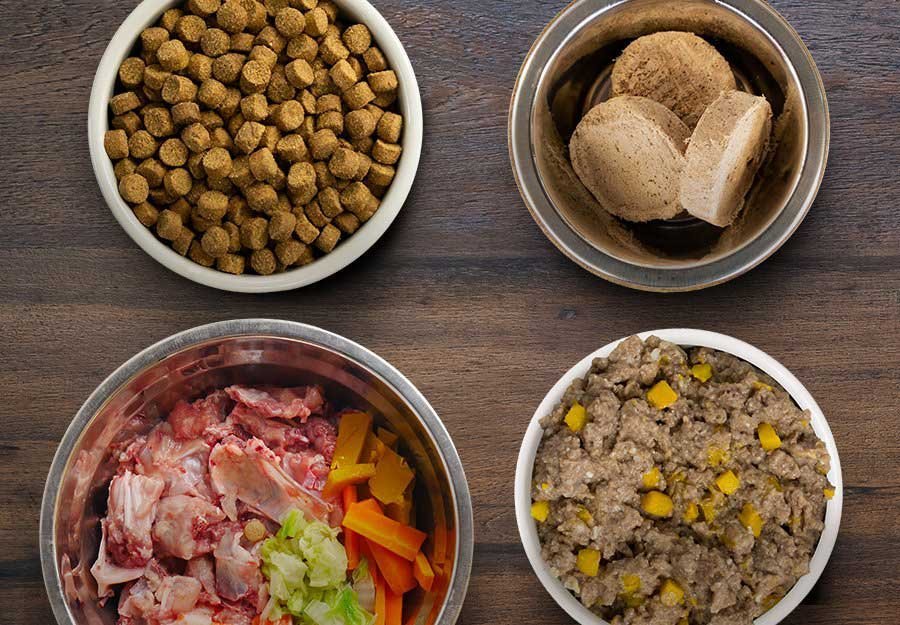
- Choose products labeled “complete and balanced” by AAFCO for your dog’s specific life stage.
- Measure portions using a standard kitchen cup or scale to prevent weight gain.
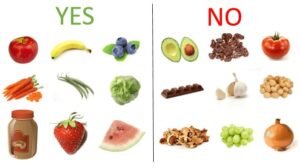
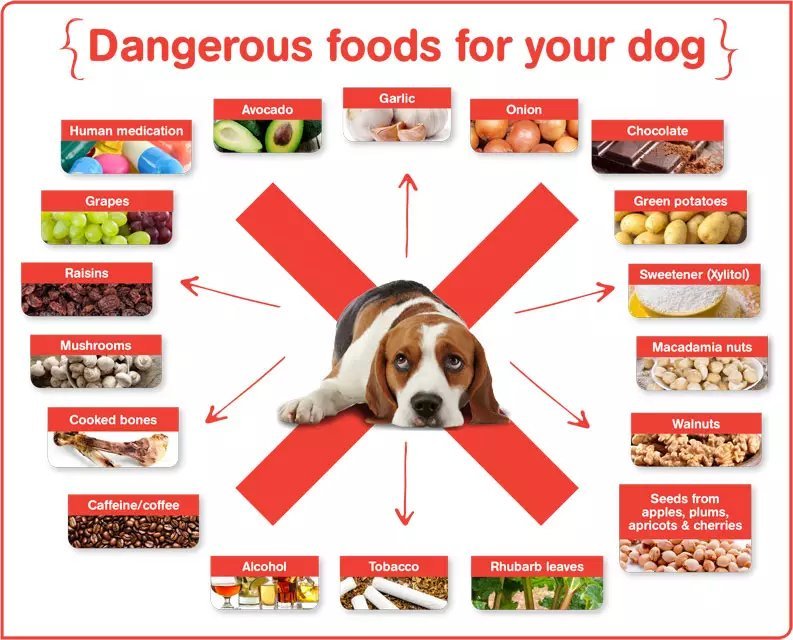
- Avoid feeding human foods like onions, grapes, chocolate, or xylitol-sweetened items.
- Transition to a new food slowly over seven days by mixing it with the old.
- Provide fresh, clean water in a washed bowl at all times.
- Consult your veterinarian if your dog has allergies or chronic health conditions.
Why nutrition requirements vary
The nutritional needs of a dog change significantly based on their age and health status. Puppies require higher protein and fat levels to support rapid growth, while senior dogs often need fewer calories to maintain a healthy weight. The most reliable standard for pet food in the United States comes from the Association of American Feed Control Officials, which sets the nutrient profiles that reputable manufacturers must meet.
If your dog is a working breed, they need a higher caloric density to fuel their activity. If your dog is a sedentary house pet, they need a controlled diet to avoid obesity. A “complete and balanced” label ensures the food provides all necessary vitamins and minerals in the correct ratios. If you choose to cook for your dog, you must work with a veterinary nutritionist to ensure the diet isn’t missing essential amino acids or minerals.
When the answer is different
| Situation | What changes | What to do instead |
|---|---|---|
| Puppy | High protein, calcium | Use puppy-specific formulas |
| Senior | Lower calories | Switch to senior blends |
| Allergy | Specific protein source | Use limited ingredient diet |
| Obesity | Calorie restriction | Increase fiber, reduce portions |
| Performance | High fat, protein | Use working dog formulas |
How to do it properly
- Check the packaging for an AAFCO statement confirming the food is complete and balanced for your dog’s life stage.
- Calculate your dog’s daily calorie needs based on their weight and activity level using the guide on the food bag.
- Measure the exact amount of kibble or wet food using a standard measuring cup, not a random kitchen bowl or scoop.
- Split the total daily portion into two equal meals to help digestion and keep your dog satisfied throughout the day.
- Increase the new food ratio gradually until the switch is complete, watching for any stomach upset.
The mistakes that ruin it
Feeding “table scraps” as a regular meal creates nutritional imbalances and encourages persistent begging behavior. If you must share, limit human food to less than 10% of their daily caloric intake.
Guessing portion sizes instead of using a measuring cup leads to rapid weight gain or unnecessary hunger. Use a standard kitchen measuring cup rather than a drinking glass, which can be off by 20% or more.
Switching food brands too quickly without a transition period often causes diarrhea or vomiting.
Ignoring the specific “life stage” label denies growing puppies the essential calcium and protein they need. If the bag doesn’t explicitly state it’s formulated for your pet’s specific age, don’t buy it.
Frequently asked questions
Can I feed my dog raw meat?
Feeding raw meat carries a significant risk of bacterial contamination, such as Salmonella or Listeria, which can affect both the dog and the humans in the household. Most veterinarians recommend sticking to commercially prepared, high-quality cooked diets to ensure safety and balance.
How long should I feed puppy food?
Most small and medium-breed dogs transition to adult food around twelve months of age. Large-breed dogs often stay on puppy formulas longer, sometimes up to eighteen months, so check the feeding instructions on your specific brand for their recommended timeline.
Is grain-free food better?
There’s no evidence that grain-free food is better for the average dog unless they have a specific diagnosed allergy to grains. Many dogs thrive on high-quality diets that include grains, which provide essential fiber and carbohydrates for energy.
What happens if I overfeed my dog?
Overfeeding leads to obesity, which puts extra stress on your dog’s joints, heart, and organs. It shortens their lifespan and increases the risk of diabetes, so always stick to the feeding amounts recommended by your veterinarian or the bag.
Does my dog need supplements?
Most healthy dogs on a high-quality, balanced diet don’t need extra supplements unless directed by a vet. Adding extra vitamins or minerals without a deficiency can actually cause toxicity or health issues, so consult a professional before starting any regimen.
How do I know if the food is bad?
Check the “best by” date on the packaging and inspect the kibble for mold, pests, or an off-putting smell. If your dog suddenly stops eating a brand they usually enjoy, check the bag for a recall notice on the manufacturer’s official website.
Final Thoughts
If you’re still unsure about the best choice, don’t hesitate to schedule a quick chat with your veterinarian. They’ll help you tailor a plan that fits your pup’s unique needs perfectly. It’s a simple step that’ll give you peace of mind and keep your furry friend happy for years to come.