
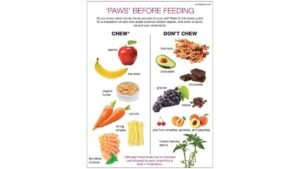
If you are asking what house food can i feed my dog, you can safely offer lean proteins, cooked vegetables, and certain fruits to supplement a balanced diet.
Nutrition and safety basics
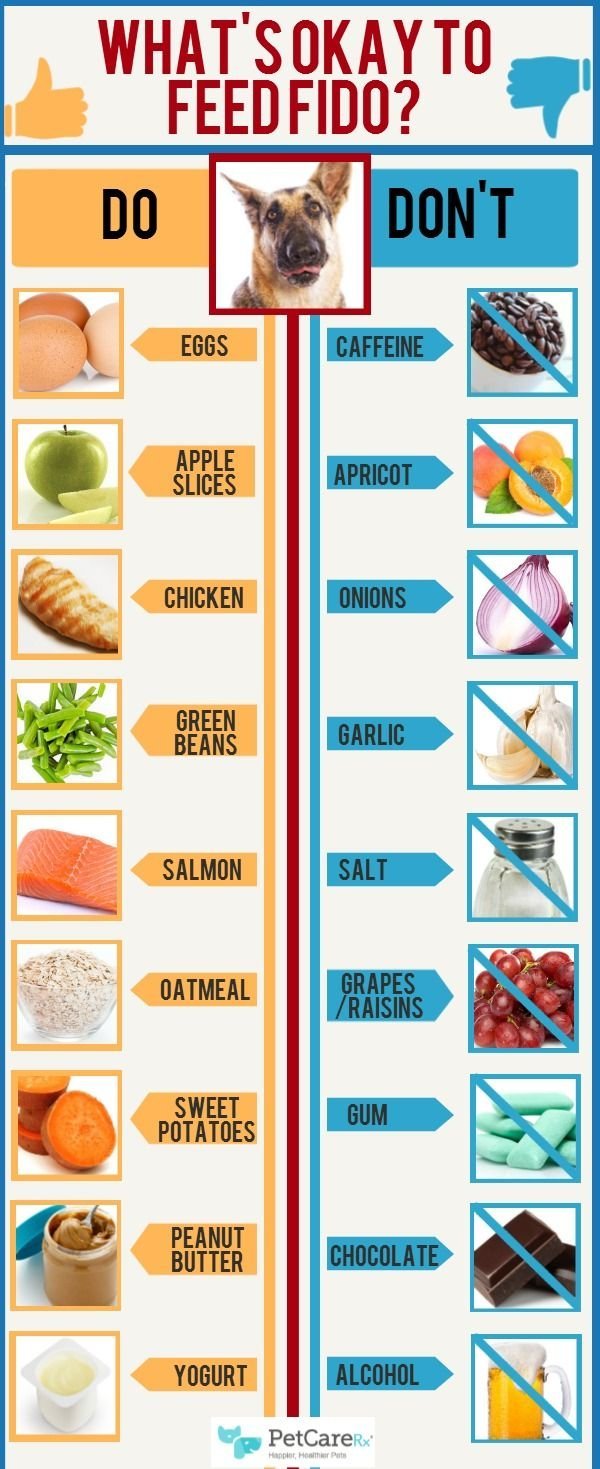
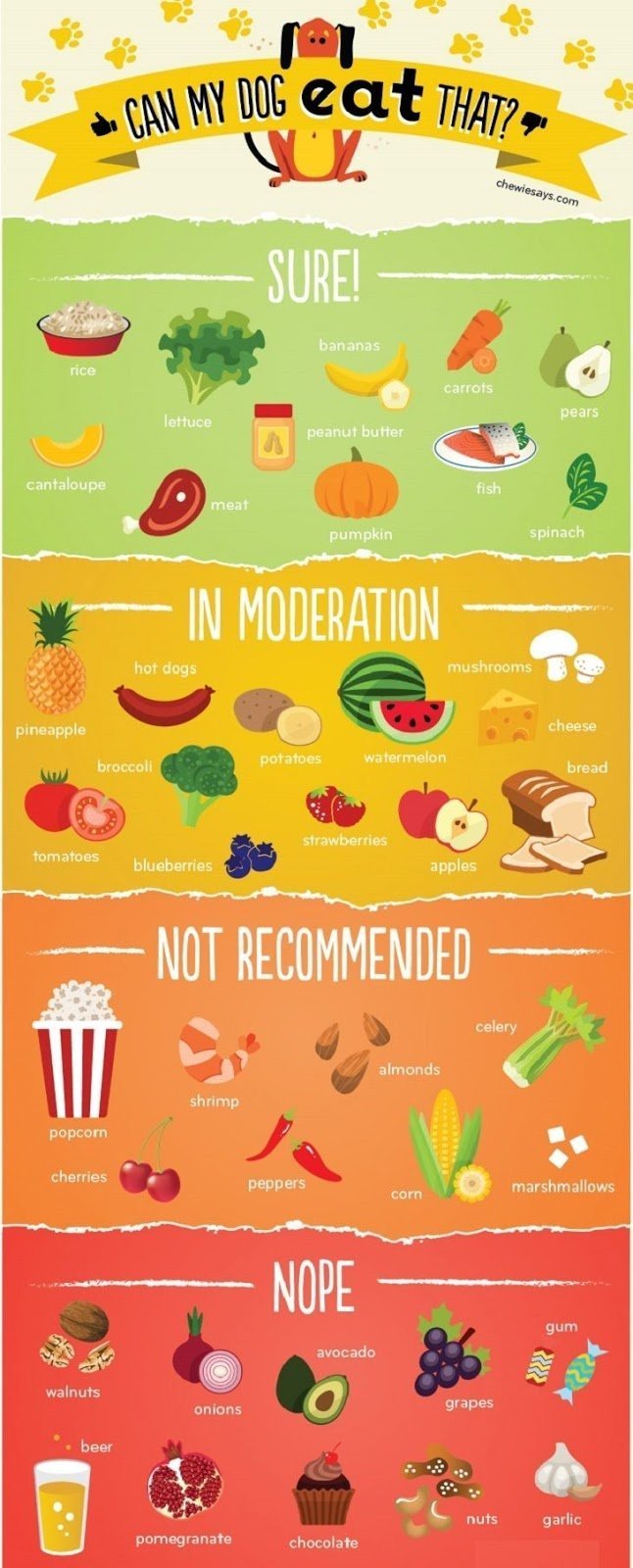
The most important rule is to avoid foods that contain onions, garlic, grapes, or xylitol, as these are toxic to dogs. If your dog is overweight, you must reduce their regular kibble portion before adding any treats to prevent unhealthy weight gain.
Preparing healthy human snacks
- Wash all produce thoroughly to remove pesticides or dirt that could cause stomach upset.
- Peel and core apples or pears, as seeds contain trace amounts of cyanide and are a choking hazard for small breeds.
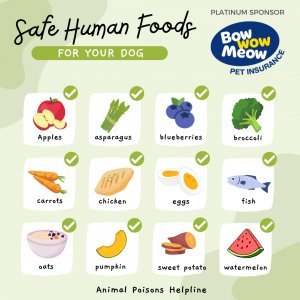
- Steam plain green beans, carrots, or broccoli until soft, ensuring you don’t add salt, butter, or oils to the water.
- Cook lean proteins like chicken breast or white fish in plain water, ensuring you reach an internal temperature of 165°F to kill bacteria.
-
Serve these items in small, bite-sized pieces appropriate for your dog’s size to prevent choking. Tip: Never feed your dog cooked bones, as they splinter easily and can puncture the digestive tract.
-
Offer plain, unsweetened pumpkin puree or cooked sweet potato in small quantities to support digestion. Tip: If you see signs of diarrhea or vomiting, stop all human food immediately and consult your veterinarian.
Serving sizes and variety
| Food Item | Typical Portion | Best Serving Method | Limit |
|---|---|---|---|
| Green beans | 2-3 pieces | Steamed, plain | Occasional treat |
| Carrots | 1-2 thin slices | Raw or steamed | Daily snack |
| Chicken | 1 tablespoon | Boiled, no skin | Mixed with kibble |
| Apple | 1-2 small cubes | Peeled, no seeds | Occasional treat |
If your dog seems lethargic after eating a new food, stop feeding it and contact your local animal clinic immediately.
Identifying when they have had enough
You should watch for signs of digestive distress, such as gas, loose stools, or a sudden lack of appetite. If your pet begins pacing, vomiting, or refuses their next meal, stop all supplemental feeding immediately.
A common mistake is assuming that “natural” human foods like grapes or onions are safe in small quantities. This error can lead to acute kidney failure or severe anemia.
If you’re unsure about a specific food, it’s safer to skip it and stick to their standard, vet-approved diet. When in doubt, call your veterinarian before offering even a single bite.
Mistakes that ruin it
- Feeding seasoned scraps: Using leftovers from your own dinner often introduces hidden salt, fats, or spices that cause pancreatitis in dogs. Always cook separate, plain portions for your pet.
- Ignoring the ten percent rule: Giving too much human food replaces the essential vitamins in their regular kibble. This leads to long-term nutritional deficiencies that require expensive medical intervention.
- Offering dairy products: Many dogs are lactose intolerant and will suffer from severe bloating or diarrhea after eating cheese or milk. If your dog has a sensitive stomach, avoid dairy entirely.
Frequently asked questions
Can dogs eat peanut butter?
Yes, you can feed them small amounts, but only if it contains no xylitol. Always check the label carefully, as this artificial sweetener is lethal to dogs even in tiny amounts.
Why is chocolate dangerous for dogs?
Chocolate contains theobromine, which dogs can’t metabolize effectively. Even small amounts of dark chocolate or baking cocoa can cause heart rhythm problems, seizures, or death depending on the dog’s weight.
How long can I keep cooked human food for my dog?
You should treat cooked human food like any other perishable, keeping it in the refrigerator for no more than three days. If it has been sitting out at room temperature for over two hours, discard it.
Is it safe to feed dogs raw eggs?
No, raw eggs carry a significant risk of Salmonella or E. coli infection. You should always cook eggs thoroughly until both the yolk and white are firm before offering them to your pet.
What happens if my dog eats an onion?
Onions can damage a dog’s red blood cells and lead to anemia. If your dog eats any form of onion, including powder or cooked scraps, contact your vet immediately to monitor their health.
Can dogs eat rice?
Yes, plain boiled white rice is often recommended by vets to help settle an upset stomach. Ensure it’s cooked in water without salt, butter, or onions, and serve it in small portions.
Final Thoughts
Always introduce new items slowly to see how your pup’s tummy reacts. If you aren’t sure about a specific ingredient, it’s best to check with your vet first. Keeping a simple list of these safe treats on your fridge will make snack time much easier for both of you.
Related guides