
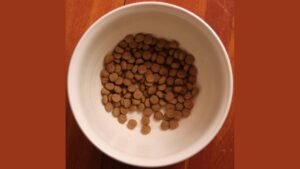
What goes into dog food includes a mix of protein, fats, carbohydrates, vitamins, and minerals that meet specific nutritional profiles. These ingredients provide the essential energy and nutrients your dog needs to stay healthy and active daily.
What goes into your dog food
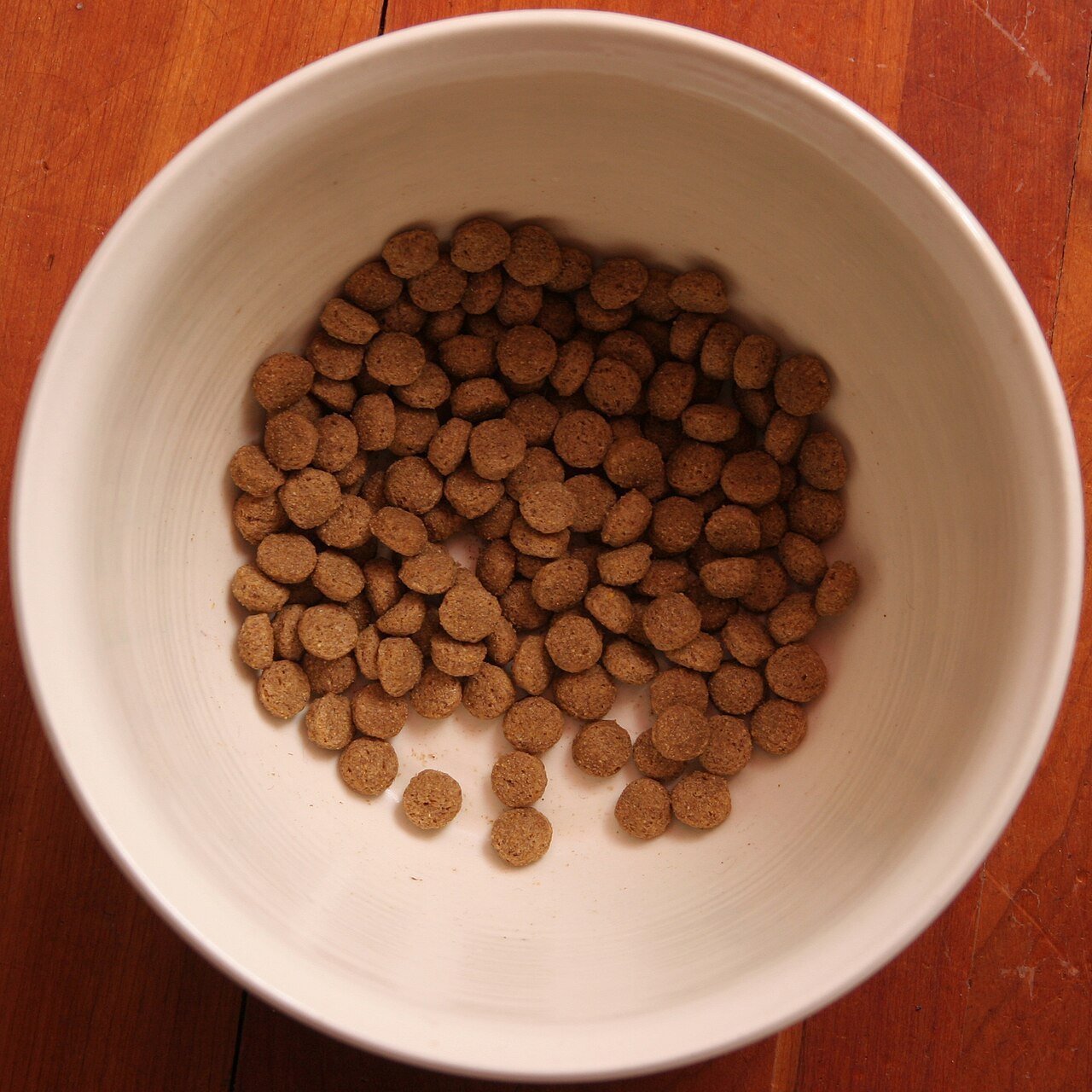
- Proteins come from animal sources like chicken, beef, or fish meal.
- Carbohydrates like rice, corn, or barley provide energy and fiber content.
- Fats, including chicken fat or fish oil, support healthy skin and fur.
- Vitamin and mineral premixes ensure the recipe meets the nutritional adequacy standards.
- Check the ingredient list on the bag for the primary source of protein.
- Verify the AAFCO statement to confirm it’s a complete, balanced meal.
Reasons for specific ingredient selection
Why manufacturers choose these ingredients depends on the goal of providing a complete diet. Proteins are the building blocks for muscle growth and tissue repair. Manufacturers use meat meals because they contain more protein per pound than fresh meat, which is mostly water. Carbohydrates serve as a vital energy source and provide necessary dietary fiber for healthy digestion. Fats aren’t just energy-dense; they’re essential for the absorption of fat-soluble vitamins like A, D, E, and K. The Association of American Feed Control Officials provides the regulatory standards for what must be included in a balanced diet. If you’re unsure about a specific brand, check the label on the back of the packaging to see if it meets these established nutrient profiles for your dog’s specific life stage.
When the answer is different
| Situation | What changes | What to do instead |
|---|---|---|
| Puppy diet | Higher protein/calcium levels | Choose puppy-specific formulas |
| Weight loss | Lower calorie density | Select low-fat weight management |
| Food allergies | Novel protein sources | Use limited ingredient diets |
| Senior dogs | Lower phosphorus levels | Pick senior-specific recipes |
| Active dogs | Higher fat and protein | Use performance or sport food |
How to do it properly
- Read the first three ingredients on the label to identify the primary protein and carbohydrate sources.
- Look for an AAFCO statement confirming the food is complete and balanced for your dog’s age.
- Measure the daily portion based on the weight guide printed on the packaging to avoid overfeeding.
- Transition to new food slowly over 7 days by mixing 25% new with 75% old, then increasing.
- Store dry kibble in a cool, dry place inside an airtight container to keep the fats from going rancid.
- Check your dog’s body condition regularly by feeling for their ribs; you should feel them without heavy pressure.
The mistakes that ruin it
Feeding human table scraps often leads to digestive upset or dangerous weight gain. Avoid high-fat items like bacon or butter, which can trigger painful pancreatitis.
Switching food brands too quickly causes diarrhea or vomiting in dogs with sensitive stomachs. If you must change diets, mix 25% new food with 75% old food, gradually increasing the ratio over five days.
Ignoring serving size recommendations on the bag results in obesity over several months. Use a standard measuring cup rather than guessing, as overfeeding by just 10% daily adds significant weight.
Buying food based on marketing claims instead of checking the actual nutritional label costs you money. Look for a specific protein source listed as the first ingredient, rather than vague “meat by-products” that offer less nutritional value.
Frequently asked questions
Can I feed my dog only meat?
No, dogs are omnivores and require a balance of vitamins, minerals, and fiber that meat alone can’t provide. A diet of only meat leads to severe nutritional deficiencies and long-term health issues.
Is grain-free food better for my dog?
No, grains are a healthy source of energy and fiber for most dogs. Unless your veterinarian has diagnosed a specific grain allergy, there’s no medical reason to avoid them in your dog’s diet.
How long does a bag of food stay fresh?
About 6 weeks is the standard freshness window after opening the bag. Always check the “best by” date on the packaging and keep the bag sealed tight to prevent oxidation of the fats.
What happens if I feed adult food to a puppy?
The puppy may not get the right balance of calcium and phosphorus needed for proper bone growth. This can lead to developmental issues, so always choose a formula labeled for growth.
Does the order of ingredients matter?
Yes, the first few items listed represent the bulk of the food’s weight. You want to see a named animal protein, such as chicken or lamb, listed as the very first ingredient.
Is it safe to mix dry and wet food?
Yes, mixing wet and dry food is safe, provided you adjust the total calories. Calculate the portions of each carefully to ensure your dog doesn’t exceed their daily calorie limit.
Final Thoughts
Choosing the right meals for your pet doesn’t have to be confusing. Simply check the label for high-quality sources and talk to your vet about what’s best for your dog’s unique needs. You’ll feel much better knowing they’re getting exactly what they need to thrive and stay happy for years.