
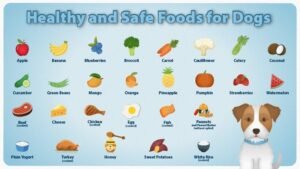
What is best for dogs to eat is a balanced commercial diet formulated specifically for their life stage, as this ensures they receive the correct ratio of protein, fats, vitamins, and minerals. You should choose products labeled as “complete and balanced” that meet the standards set by the AAFCO Dog Food Nutrient Profiles.
Why it works / what to know first
Veterinary nutritionists emphasize that dogs have specific biological requirements that home-cooked meals often fail to meet without expert guidance. A common mistake is assuming that “human-grade” or “raw” diets are automatically healthier, which often leads to dangerous nutritional imbalances or bacterial contamination.
Always check the label for a feeding trial statement. If the food is only for “intermittent or supplemental use,” it isn’t suitable as a primary diet and will cause health issues over time.
Feeding Your Dog Properly
Photo: www.aseertime.com on Google
- Choose a high-quality commercial food that matches your dog’s age, weight, and activity level.
- Measure portions using a standard kitchen cup or scale rather than guessing, as overfeeding leads to obesity.
- Transition to a new food over 7 days by mixing 25% new food with 75% old food, then slowly increasing the ratio.
- Consult your veterinarian before adding supplements or changing to specialized diets, especially for puppies or senior dogs.
- Provide fresh, clean water in a washed bowl at least once daily to support digestion and kidney function.
Tip: If your dog shows signs of loose stools during a transition, slow down the process by keeping the ratio the same for an extra 2 days.
Timeframes for Feeding
Photo: calstage.org on Google
| Life Stage | Meals per Day | Portion Size | What changes it |
|---|---|---|---|
| Puppy (up to 6 months) | 3 to 4 | Small, frequent | Breed size and growth rate |
| Adult Dog | 2 | Divided by weight | Activity level |
| Senior Dog | 2 | Calorie-controlled | Metabolic slowing |
If your dog leaves food in the bowl for more than 20 minutes, remove it until the next scheduled mealtime to prevent picky eating habits.
Identifying Healthy Digestion
Photo: www.jneurovirol.com on Google
A healthy dog produces firm, segmented stools that are easy to pick up, leaving no residue on the grass. If the stool is crumbly or chalky, your dog is likely receiving too much bone or calcium. Conversely, loose or greasy stools often indicate an inability to digest specific fat sources.
Monitor their body condition score by feeling for the ribs. You should be able to feel them easily under a thin layer of fat without seeing them protrude. If the waist disappears when viewed from above, reduce caloric intake by 10% immediately.
Most owners mistakenly blame “sensitive stomachs” for chronic gas, but this is frequently caused by rapid eating. If your dog gulps food in under two minutes, use a slow-feeder bowl. If symptoms persist beyond 48 hours despite these adjustments, consult a veterinarian to investigate potential pancreatic or inflammatory bowel issues.
Avoiding Common Nutrition Pitfalls
- Feeding human table scraps: These are often too high in fat, salt, or sugar and can trigger pancreatitis or obesity. Stick to dog-specific treats and reserve human food strictly for training rewards in tiny amounts.
- Ignoring portion guidelines: Following the bag’s general advice without adjusting for your dog’s actual activity level leads to rapid weight gain. Use the bag as a starting point, but monitor your dog’s ribs and adjust the total amount by 10% if they gain or lose weight.
- Changing brands too quickly: Sudden shifts in protein sources or fiber content disrupt the gut microbiome and cause severe digestive upset. Always allow at least one week to introduce a new brand to ensure your dog’s system adapts safely.
Can I feed my dog only raw meat?
No, feeding only raw meat isn’t recommended because it lacks the necessary calcium, minerals, and vitamins found in balanced diets. Raw meat also poses a significant risk of bacterial contamination like Salmonella, which can affect both your dog and the humans in your household.
How much water should a dog drink?
This amount varies based on the temperature, their activity level, and whether they eat dry kibble or wet canned food, which contains more moisture.
Is grain-free food better for dogs?
No, there’s no scientific evidence that grain-free food is better for the average dog. Unless your veterinarian has diagnosed a specific grain allergy, grains are a healthy, digestible source of energy and nutrients that support overall canine health.
Why is my dog eating grass?
Dogs often eat grass due to boredom or a natural instinct, rather than a nutritional deficiency. While small amounts are usually harmless, monitor your dog to ensure they aren’t ingesting grass treated with pesticides or fertilizers that could cause toxicity.
How often should I change my dog’s food?
You shouldn’t change your dog’s food unless there’s a medical reason or they have reached a new life stage. If your dog is thriving, keep them on the same high-quality diet to maintain digestive stability and long-term health.
What is the most important nutrient for dogs?
Protein is essential for muscle maintenance and immune health, but it must be balanced with fats and carbohydrates. The “best” food is one where these nutrients are combined in a ratio designed for your dog’s specific age, size, and breed requirements.
Providing a consistent, high-quality diet is the single most effective way to support your dog’s long-term health and vitality. By focusing on life-stage appropriate formulas and avoiding unnecessary human food, you help your dog avoid common digestive issues and maintain an ideal body condition for years to come.