
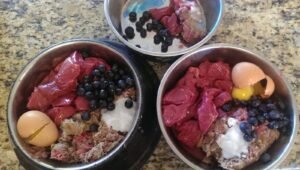
Feeding your dog a balanced diet containing high-quality animal protein, healthy fats, and essential minerals is best for their long-term health. You must choose a recipe that meets the life stage, weight, and activity level of your specific pet.
Quick guide to canine nutrition
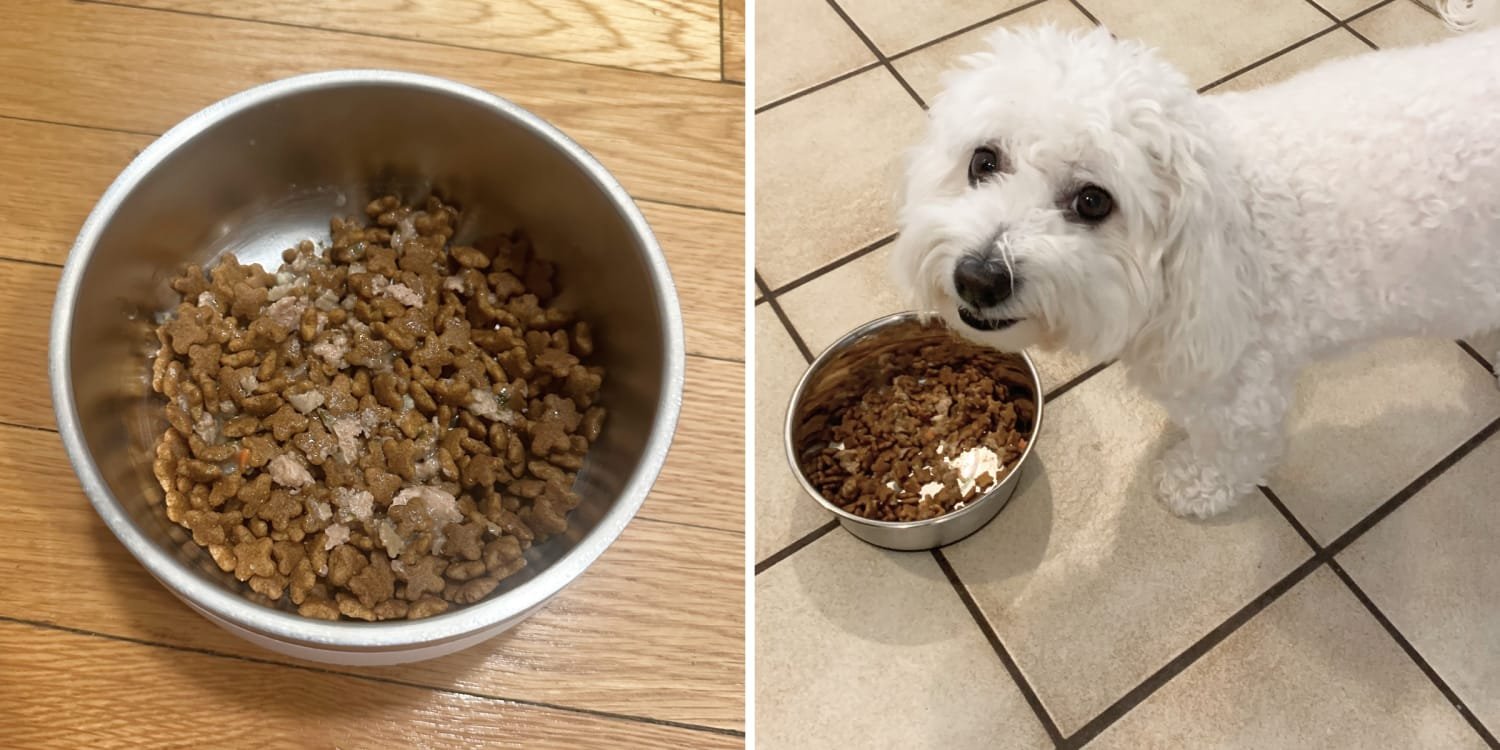
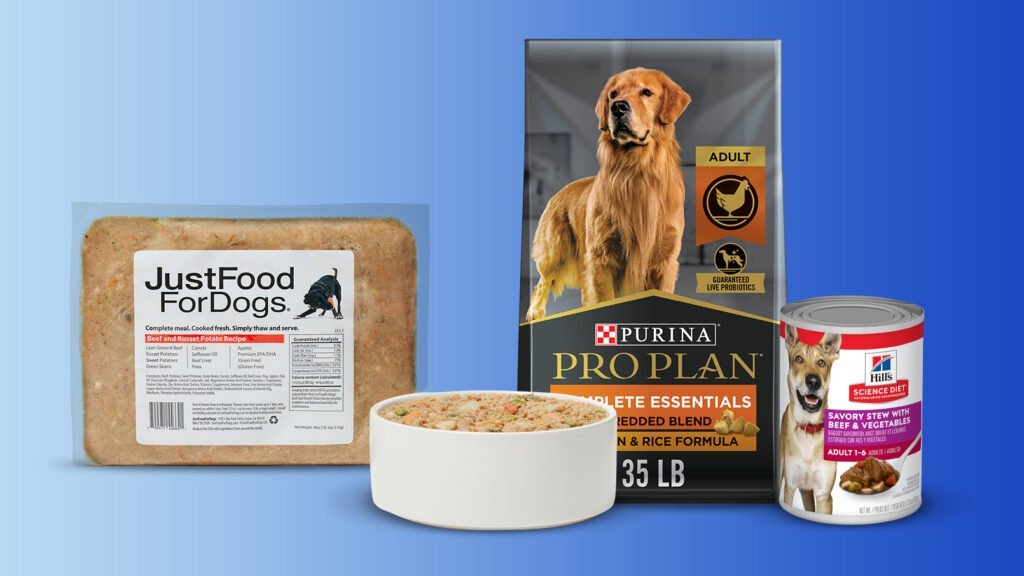
- Select food labeled “complete and balanced” for your dog’s life stage.
- Check the ingredient list; a named animal protein should be first.
- Measure portions using a standard measuring cup, not a kitchen glass.
- Transition to new food over seven days to prevent stomach upset.
- Keep fresh water available at all times to aid digestion.
- Consult your veterinarian before starting any homemade or raw diet.
Why balanced nutrition matters for dogs
Dogs require a specific balance of nutrients to support their immune system, skin health, and energy levels throughout their lives. The Association of American Feed Control Officials sets the standards that reputable manufacturers follow to ensure each meal provides the correct ratio of proteins, vitamins, and minerals. If a diet lacks these essential components, your dog may develop deficiencies that affect coat quality, organ function, or bone density.
Manufacturers formulate diets for different life stages, such as growth for puppies or maintenance for adults, because their metabolic needs vary significantly. Feeding a puppy food to an adult dog can lead to unnecessary weight gain, while feeding adult food to a puppy may result in stunted growth. Always check the packaging for the AAFCO nutritional adequacy statement to confirm the food is appropriate for your dog. If you notice persistent lethargy or weight changes, verify the caloric density on the label and adjust your portions accordingly.
Situations where nutritional needs change
| Situation | What changes | What to do instead |
|---|---|---|
| Puppyhood | Higher protein needs | Feed puppy-specific formula |
| Senior years | Lower calorie density | Switch to senior-labeled food |
| High activity | Energy requirements | Increase fat and calorie content |
| Allergies | Ingredient profile | Try limited ingredient diets |
How to feed your dog correctly
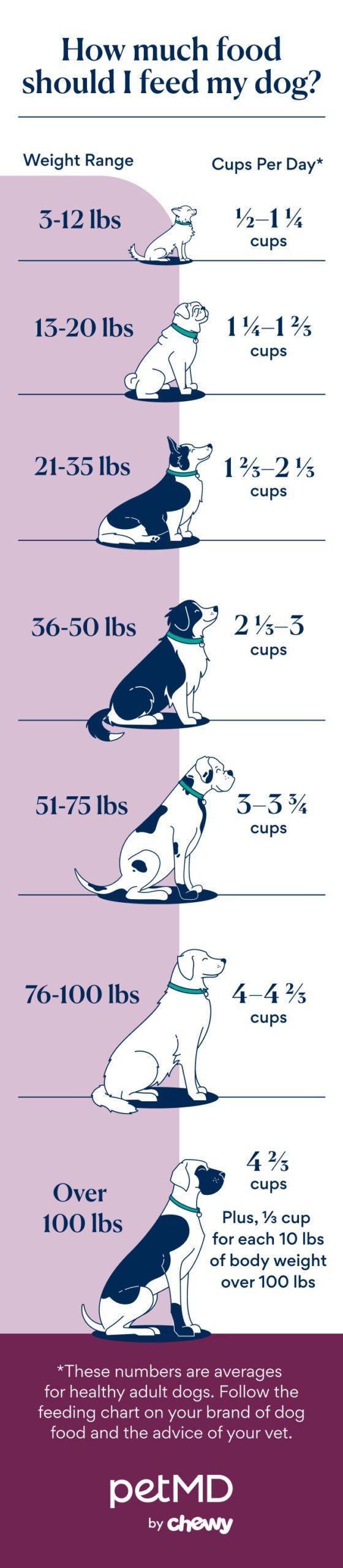
- Read the feeding guidelines on the bag to find the starting amount based on your dog’s current weight.
- Use a kitchen scale to weigh the daily portion for accuracy if your dog is prone to gaining weight quickly.
- Split the total daily amount into two equal meals to help your dog feel full throughout the entire day.
- Mix twenty-five percent of the new food with seventy-five percent of the old food for the first two days.
- Increase the new food ratio gradually until you’re feeding only the new food.
- Observe your dog’s stool quality and energy levels during the transition; if diarrhea occurs, slow down the process.
- Check your dog’s ribs regularly; you should feel them easily without pressing hard through a layer of fat.
The mistakes that ruin dog health
- Feeding table scraps leads to obesity and can cause severe inflammation of the pancreas.
- Changing food abruptly causes digestive distress, which results in vomiting or painful gas for the dog.
- Ignoring portion sizes causes rapid weight gain, putting dangerous stress on your dog’s joints and heart.
- Leaving food out all day encourages overeating and makes it impossible to track your dog’s appetite.
How much should I feed my dog?
You should feed your dog based on the caloric requirements listed on the food packaging for their specific weight and activity level. If your dog is a working breed, they need more calories than a sedentary indoor companion of the same size.
Is it safe to feed my dog raw food?
No, feeding raw food carries significant risks of bacterial contamination like Salmonella for both the dog and the human household. Most veterinarians recommend commercial, cooked diets to ensure complete safety and nutritional balance for your pet’s specific requirements.
Does the brand of dog food matter?
Yes, the brand matters because it reflects the quality of ingredients and the level of safety testing performed by the company. Look for brands that employ veterinary nutritionists and conduct rigorous feeding trials to prove their recipes are safe for long-term consumption.
Can I feed my dog human food?
No, most human foods aren’t formulated for canine digestion and can be toxic to dogs. Items like onions, garlic, grapes, and chocolate are dangerous, so stick to commercial dog food to avoid accidental poisoning or severe stomach irritation.
How often should I feed my dog?
Most adult dogs thrive on two meals per day, while puppies usually require three to four feedings to maintain their blood sugar. Consistency is key, so try to provide these meals at the same time every morning and evening.
What happens if my dog refuses to eat?
If your dog skips one meal, monitor them for other symptoms like vomiting or lethargy before worrying. If the refusal lasts longer than twenty-four hours, you must contact your veterinarian to rule out underlying illness or dental pain.
How do I know if the food is good?
You can verify if the food is good by observing your dog’s stool, coat shine, and overall energy level after a few weeks. If your dog has a healthy weight and a shiny coat, the current diet is likely providing the nutrients they need.
Choosing the right food requires paying close attention to your dog’s body condition and adjusting as they age. By following the feeding guidelines and focusing on high-quality, balanced ingredients, you provide the best foundation for a long and healthy life.