
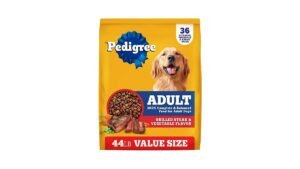
A complete dog food is a nutritionally balanced diet that contains every essential vitamin, mineral, and macronutrient your dog needs to thrive without requiring additional supplements. When a product label states it is “complete and balanced,” the manufacturer guarantees it meets specific nutrient profiles.
What makes dog food complete
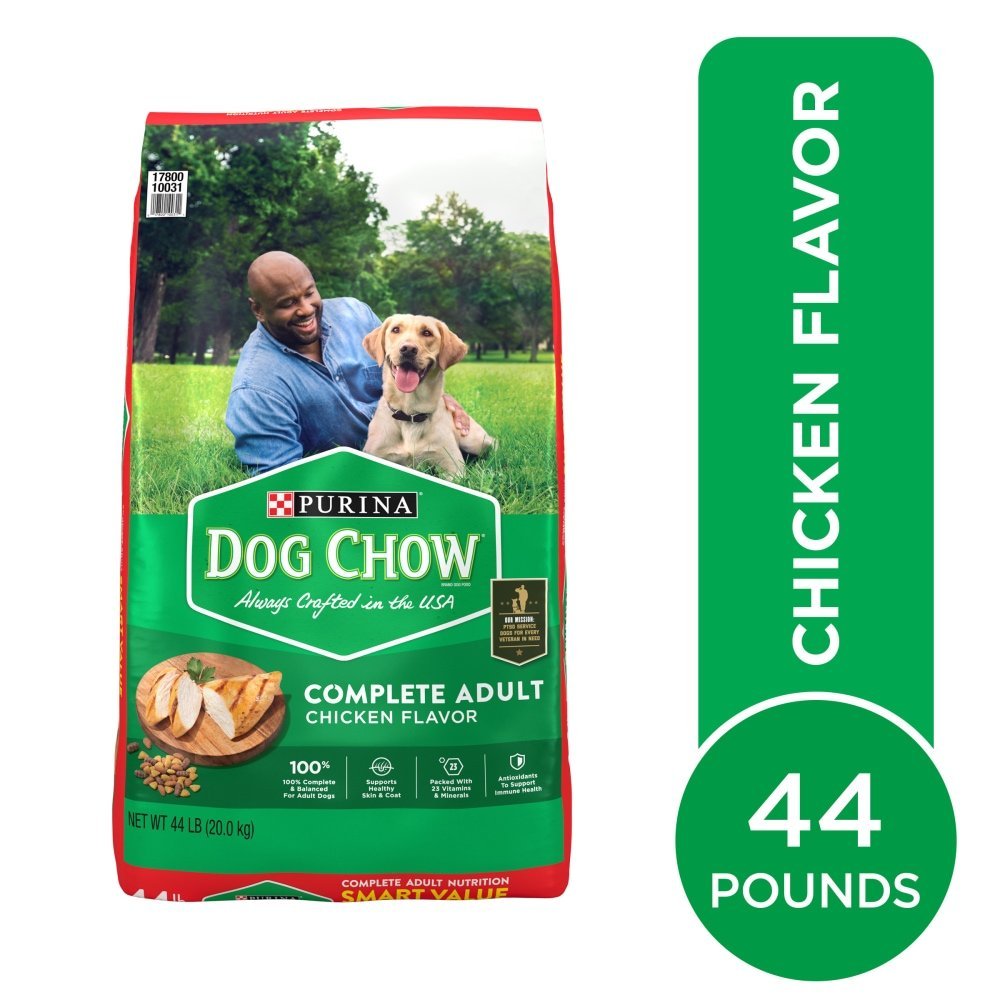
- A product labeled “complete” must meet the minimum nutrient requirements set for a dog’s specific life stage, such as puppy growth or adult maintenance.
- Check the packaging for an AAFCO statement; this indicates the food has been formulated to meet established nutritional standards for dogs.
- If you feed a “complementary” or “mixer” food as a primary meal, your dog will likely suffer from long-term nutrient deficiencies.
- Always provide constant access to fresh water, as dry kibble contains very little moisture compared to the natural diet of a canine.
- Consult your veterinarian if your dog has specific health conditions, as some animals require therapeutic diets rather than standard commercial options.
- This varies by brand and ingredient quality; always read the ingredient list to ensure the primary source is a named animal protein.
Why nutritional completeness matters for dogs
The primary reason for feeding a complete diet is to prevent the complex health issues caused by long-term nutrient imbalances. Dogs require a precise ratio of calcium to phosphorus, specific amino acids like taurine, and a range of essential fatty acids to maintain organ function, bone density, and immune health. When a diet is missing one of these elements, the body can’t function correctly, leading to issues ranging from poor coat condition to serious metabolic disorders.
Manufacturers ensure these requirements are met through testing and formulation protocols. According to the Association of American Feed Control Officials, pet foods must provide a complete profile of essential nutrients to carry the label of “complete and balanced.” If you’re unsure whether a specific product meets these needs, check the back of the bag for the nutritional adequacy statement. If a food isn’t labeled as complete, it’s intended only for intermittent or supplemental feeding.
Variations in dietary requirements
| Situation | What changes | What to do instead |
|---|---|---|
| Puppyhood | Higher protein and fat | Use puppy-specific formulas |
| Senior years | Lower calorie density | Switch to senior-labeled diets |
| Pregnancy | Increased energy needs | Select high-calorie lactation food |
| Food allergies | Novel protein sources | Use limited ingredient diets |
| Medical illness | Specific nutrient limits | Follow veterinary prescription diets |
How to select and serve the right food
- Identify your dog’s current life stage, as puppies and adults have different metabolic needs for healthy development and daily energy.
- Look for the AAFCO nutritional adequacy statement on the label, which confirms the food has been tested or formulated for completeness.
- Choose a reputable manufacturer that provides clear transparency regarding their sourcing, quality control, and testing procedures for their specific dog food.
- Measure the daily portion size using a standard measuring cup based on your dog’s weight, following the guidelines printed on the package.
- Introduce any new diet gradually by mixing it with the old food over seven days to prevent digestive upset or loose stools.
- Store dry food in an airtight container in a cool, dry place to maintain nutrient integrity and prevent the fats from going rancid.
The mistakes that ruin a healthy diet
- Adding human table scraps to a complete meal, which dilutes the nutrient balance and often leads to unwanted weight gain.
- Feeding a “complementary” wet food as a sole diet, which results in severe vitamin deficiencies because it lacks the necessary mineral profile.
- Ignoring the feeding guide on the bag, which often leads to overfeeding and the health complications associated with canine obesity.
- Switching food brands abruptly without a transition period, causing immediate gastrointestinal distress and potential food refusal.
Frequently asked questions
Can I mix two different brands of dog food?
Yes, you can mix brands, but only if both are labeled as complete and balanced. Mixing two complete foods is safe, but be aware that if you mix a complete food with a non-complete food, you’re diluting the nutritional profile.
How long does a bag of dry dog food stay fresh?
Exposure to air, light, and humidity causes the fats in the food to oxidize, which ruins the flavor and lowers the nutritional quality.
Is it safe to feed my dog only wet food?
Yes, it’s safe to feed only wet food provided the label states it’s complete and balanced for your dog’s life stage. Wet food is often higher in moisture, which is helpful for dogs that don’t drink enough water during the day.
What happens if my dog eats incomplete food long-term?
Long-term consumption of incomplete food leads to malnutrition, which can cause brittle bones, skin issues, and organ failure. If your dog has been eating an unbalanced diet, visit a veterinarian for a blood panel to check for specific nutrient deficiencies.
Does the price of dog food indicate quality?
Price often reflects the quality of ingredients and the level of safety testing, but it isn’t a perfect indicator. Always prioritize the nutritional adequacy statement and the ingredient list over the price tag when choosing a food for your pet.
How often should I change my dog’s food?
You don’t need to change your dog’s food if they’re healthy and doing well on their current diet. If your dog is thriving, keep them on the same complete and balanced food to avoid unnecessary digestive stress or picky eating habits.
Dog food, in short
Providing a complete and balanced diet is the most effective way to support your dog’s long-term health. By checking labels for the correct nutritional adequacy statements and avoiding the temptation to over-supplement, you ensure your pet receives exactly what they need for every stage of life.