
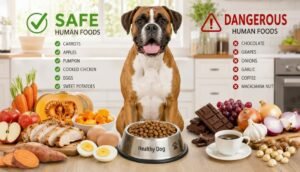
High-quality commercial dog food that meets AAFCO standards is the best choice for dogs because it provides a balanced mix of proteins, fats, and essential minerals. This assumes the pet is a healthy adult; for puppies or seniors, you must select life-stage-specific formulas.
Essential Nutrients for Canine Health
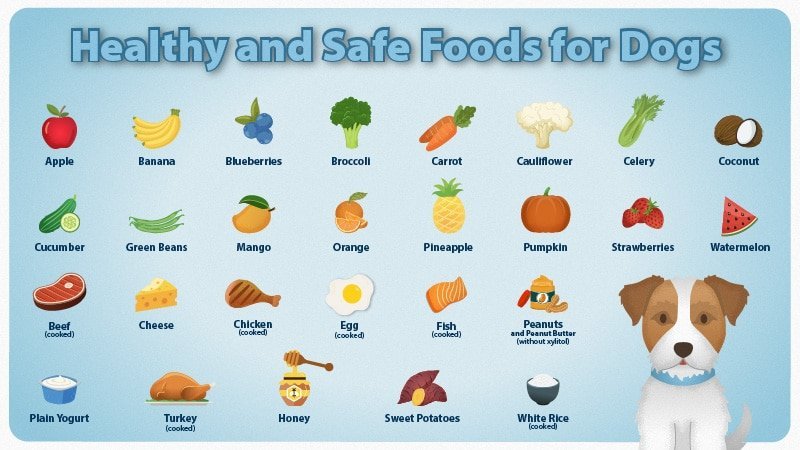
- Protein: Look for meat-based sources like chicken, beef, or fish as the first ingredient on the label.
- Fats: Omega-3 and omega-6 fatty acids support skin and coat health, usually sourced from fish oil or flaxseed.
- Fiber: Beet pulp or brown rice helps regulate digestion, but excessive fiber can lead to loose stools.
- Vitamins: Balanced calcium and phosphorus ratios are critical for bone development, especially in large-breed puppies.
- Water: Fresh water must be available at all times, regardless of whether you feed dry kibble or wet canned food.
Why Balanced Nutrition Matters
Balanced nutrition is the foundation of canine health because it prevents deficiencies that cause long-term organ damage. Every dog requires specific amounts of amino acids, minerals, and vitamins to maintain muscle mass, energy levels, and immune system function. When a diet lacks these elements, your dog may suffer from poor coat quality, weak bones, or metabolic disorders over time.
The Association of American Feed Control Officials (AAFCO) sets the nutrient profiles that reputable manufacturers use to ensure their products provide complete and balanced meals. You should check the packaging for an “AAFCO Statement of Nutritional Adequacy” to verify the food is formulated for your dog’s specific life stage. The FDA animal food safety guidelines explain how these regulations help protect pets from contaminated or improperly formulated products. If you choose to prepare homemade meals, consult a veterinary nutritionist to avoid dangerous nutrient imbalances that occur when ingredients are swapped without professional guidance.
Adjusting Diet for Different Needs
| Situation | What changes | What to do instead |
|---|---|---|
| Puppy growth | Calorie density | Use puppy-specific growth formulas |
| Senior age | Metabolism rate | Switch to lower-calorie senior blends |
| Food allergies | Protein source | Use limited-ingredient or hydrolyzed diets |
| High activity | Energy requirements | Increase fat and protein content |
| Weight loss | Portion control | Measure by weight, not volume |
How to Feed Your Dog Properly
- Read the feeding guide on the back of the bag to determine the daily portion based on your dog’s current weight.
- Use a standard kitchen scale to measure the exact grams of food per meal, as measuring cups are often inaccurate for daily intake.
- Divide the total daily amount into two equal meals to help with digestion and prevent bloat, especially in deep-chested dog breeds.
- Monitor your dog’s body condition score by feeling for their ribs; you should feel them easily without pressing hard through thick fat.
- Introduce any new food gradually over seven days by mixing 25% new food with 75% old food, slowly increasing the new portion daily.
- Check the stool consistency daily; if it becomes soft or runny, you’re likely feeding too much or the food is too rich.
Mistakes That Ruin Canine Health
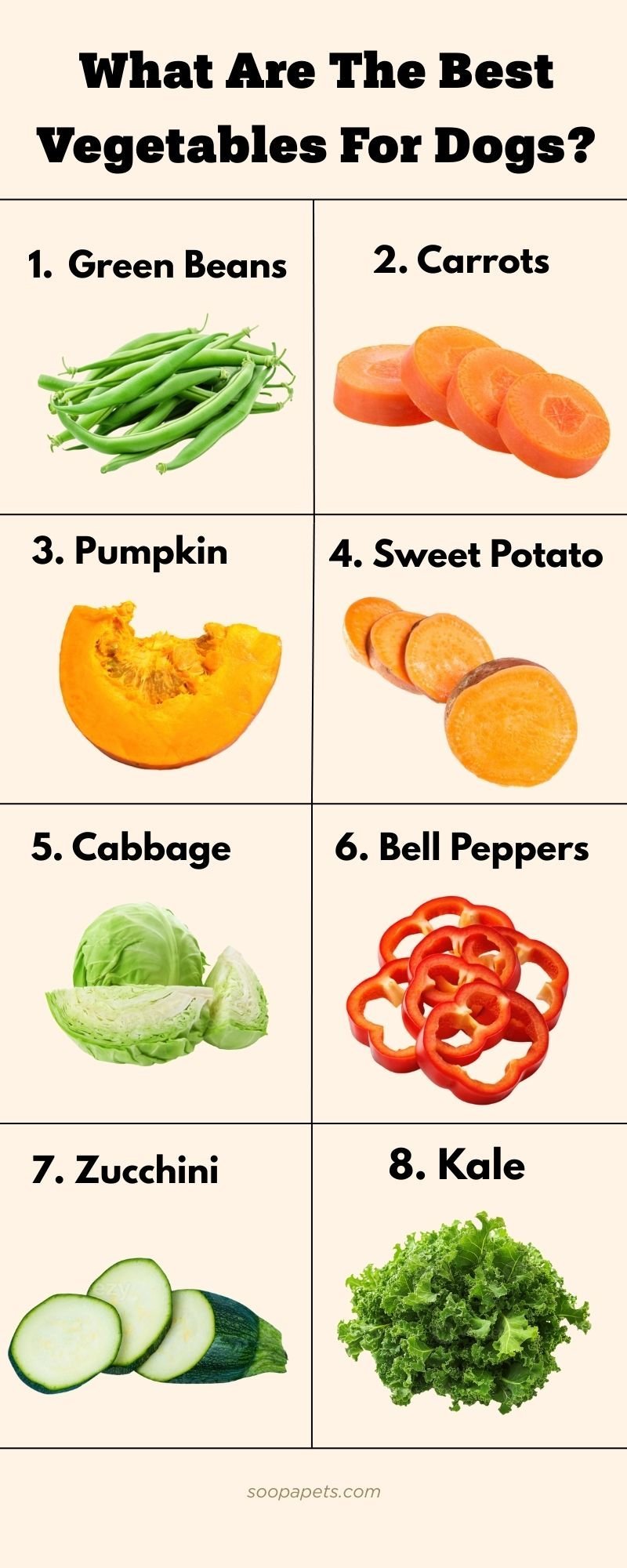
- Feeding human table scraps leads to obesity and pancreatitis because processed human foods are often too high in fat and salt.
- Buying food based only on marketing claims rather than the nutritional label causes you to pay more for fewer essential nutrients.
- Guessing portion sizes results in rapid weight gain, which puts dangerous stress on your dog’s joints and heart over time.
- Changing brands too quickly causes severe gastrointestinal distress, leading to vomiting or diarrhea that requires a vet visit.
Can I feed my dog raw meat?
Raw meat carries significant risks of bacterial contamination, such as Salmonella and Listeria, which can affect both the dog and your household. Most veterinarians advise against raw diets unless they’re strictly managed under professional guidance to ensure safety and balance.
How much water should a dog drink?
A healthy dog typically drinks about one ounce of water per pound of body weight daily. This varies by individual dog — check the label or ask your vet — as active dogs, nursing mothers, or those eating dry kibble often require more.
Is grain-free food better?
Grain-free food isn’t inherently better for most dogs, as grains provide essential energy and nutrients. You should only choose grain-free options if your veterinarian has confirmed that your specific dog has a diagnosed grain allergy or sensitivity.
What human foods are toxic?
Grapes, raisins, onions, garlic, chocolate, and xylitol are highly toxic to dogs and must be avoided. Even small amounts of these items can cause rapid organ failure, so keep these foods stored securely away from your pet at all times.
How often should I feed my dog?
Most adult dogs thrive on two meals per day, spaced about twelve hours apart. This routine helps maintain steady blood sugar levels and prevents the hunger-driven behavior that often occurs when dogs go too long without a meal.
Does the price of dog food matter?
Price doesn’t always guarantee quality, but ultra-cheap foods often use low-quality fillers that offer poor nutritional value. Look for brands that invest in feeding trials and have clear, transparent ingredient lists rather than focusing solely on the lowest price point.
What if my dog refuses to eat?
A dog refusing food for more than 24 hours requires a visit to the veterinarian to rule out illness or dental pain. If your dog is acting normal otherwise, they might simply be picky, but don’t wait if you notice lethargy or vomiting.
Good food, in short
If you’re ever unsure about your dog’s specific nutritional needs, it’s a great idea to schedule a quick chat with your veterinarian. They’ll help you tailor a diet that keeps your furry friend happy and full of energy for years to come. You’ll be glad you took that extra step.