
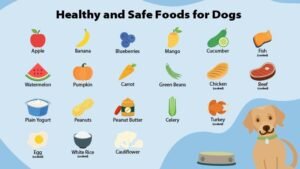
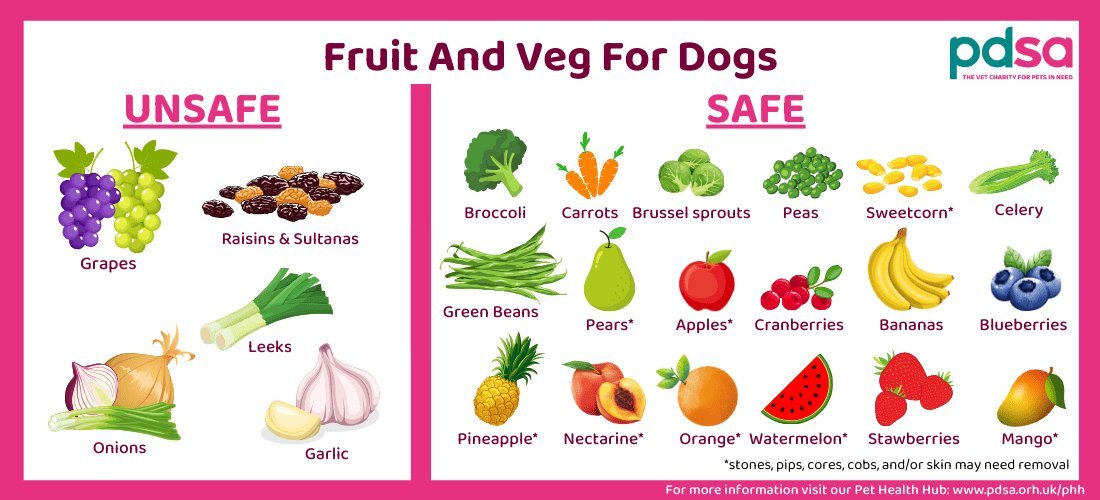
Plain cooked chicken, lean beef, pumpkin, and carrots are examples of what dogs can eat when served in moderation alongside a balanced diet. You should always prioritize high-quality protein and fiber while avoiding toxic ingredients like onions, garlic, chocolate, grapes, and artificial sweeteners like xylitol.
What is good and safe to eat
The most important factor is providing a complete diet that meets your pet’s life stage needs. A common mistake is feeding table scraps as a primary meal, which often leads to nutritional imbalances or obesity. If you use fresh food, ensure it makes up no more than ten percent of your dog’s daily calorie intake to avoid disrupting their primary nutrient balance.
Choosing healthy human foods
- Cook plain, skinless chicken breast or lean ground beef thoroughly to kill any bacteria.
- Steam or boil vegetables like carrots, green beans, or sweet potatoes until they’re soft enough to chew easily.
- Serve plain canned pumpkin, but ensure it contains no added sugar, spices, or artificial sweeteners.
- Offer small slices of apple or banana as a treat, making sure to remove all seeds and the core from the apple.
- Check the Association of American Feed Control Officials guidelines to understand the specific nutrient requirements for your dog’s age and size.
Tip: Never add salt, butter, or onions to any food you prepare, as these are harmful or toxic to dogs.
Feeding duration and portioning
The time it takes to prepare food varies by the method used to cook the ingredients. You must adjust your routine based on the size of your dog, as a small breed needs significantly less volume than a large breed.
| Food Item | Preparation Time | Best Serving State | Watch For |
|---|---|---|---|
| Chicken | 15–20 minutes | Fully cooked/cooled | No bones |
| Carrots | 10–12 minutes | Steamed/soft | Choking size |
| Pumpkin | 0 minutes | Room temp | Added sugar |
| Beef | 8–10 minutes | Lean/drained fat | No seasoning |
If your dog refuses the food or shows signs of an upset stomach, return to their regular kibble and consult your veterinarian.
Signs of a healthy meal
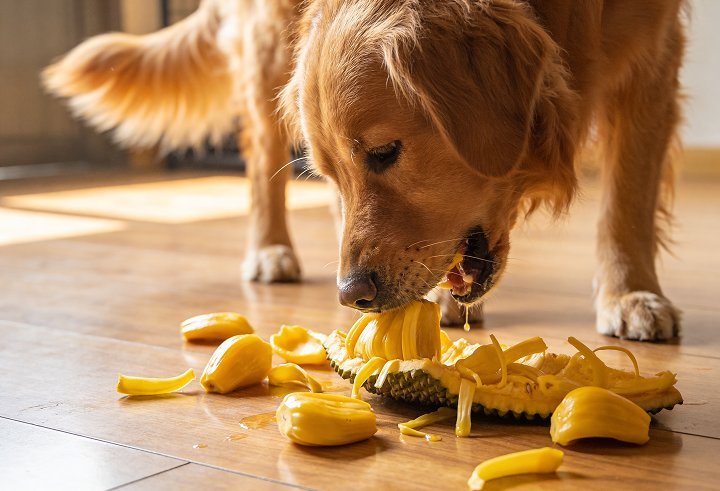
You can tell a meal is safe by observing your dog’s digestion and energy levels after they eat. A good sign is firm, regular stool and a consistent appetite for their standard food. If you notice vomiting, diarrhea, or lethargy after introducing a new item, stop feeding that food immediately. Always introduce one new ingredient at a time to track how their system reacts, as individual sensitivities vary by breed and age.
Common feeding errors
-
Feeding cooked bones: Cooking alters the bone’s structure, making it brittle rather than pliable. These shards act like needles, risking esophageal tears or intestinal perforations. If your dog consumes a cooked bone, monitor for lethargy or vomiting over the next 48 hours; these are signs of an obstruction requiring emergency surgery.
-
Using toxic seasonings: Garlic and onions contain thiosulfates, which trigger hemolytic anemia. A dog weighing 20 pounds can suffer damage from just one medium-sized onion. If you suspect ingestion, check their gums; pale or yellowish tints indicate the red blood cells are failing.
-
Ignoring portion control: Treats should never exceed 10% of a dog’s daily caloric intake. If your dog finishes a treat, reduce their primary meal by an equal amount to prevent obesity-related joint degradation.
Frequently asked questions
Can dogs eat peanut butter?
Yes, dogs can eat peanut butter if it’s plain and contains no xylitol. Always check the ingredient label carefully, as xylitol is highly toxic to dogs even in small amounts. If the label shows any artificial sweeteners, don’t give it to your pet under any circumstances.
Is it safe to feed dogs raw eggs?
No, it isn’t recommended to feed raw eggs due to the risk of salmonella or E. coli bacteria. Cooking the eggs thoroughly removes these risks and makes the protein easier for your dog to digest. Always serve them plain without adding oil, butter, or seasonings.
How much pumpkin can I give my dog?
You can give one to four tablespoons of plain canned pumpkin depending on your dog’s size. Start with a smaller amount to see how their stomach reacts, as too much fiber can cause loose stools. Always ensure the product is 100% pumpkin with no added spices or sugars.
What happens if my dog eats grapes?
Grapes and raisins can cause sudden kidney failure in dogs and should be treated as a medical emergency. If your dog consumes even a small amount, contact your veterinarian or a poison control center immediately. Never wait for symptoms to appear, as early treatment is necessary for survival.
How often can I give my dog human food?
You should limit human food to occasional treats that represent no more than ten percent of their daily calories. Giving too much fresh food replaces the balanced nutrients found in commercial dog food, which can lead to long-term health issues. Always prioritize their main, vet-approved diet first.
Is rice good for dogs?
Yes, plain white or brown rice is often recommended by vets to soothe an upset stomach. It should be boiled in water without salt, butter, or oil to ensure it remains bland and easy to digest.
Good dog, in short
Feeding your pet fresh, wholesome ingredients doesn’t have to be complicated. If you’re planning to introduce new snacks, start with a tiny portion to see how your dog’s stomach reacts. You’ll feel better knowing exactly what’s in their bowl, and they’ll certainly love the extra variety you’ve added to their day.