
Feeding your dog high-quality, balanced commercial pet food that meets AAFCO nutritional standards is the best approach. You should prioritize products that include a clear statement on the label confirming they provide complete and balanced nutrition for your dog’s specific life stage.
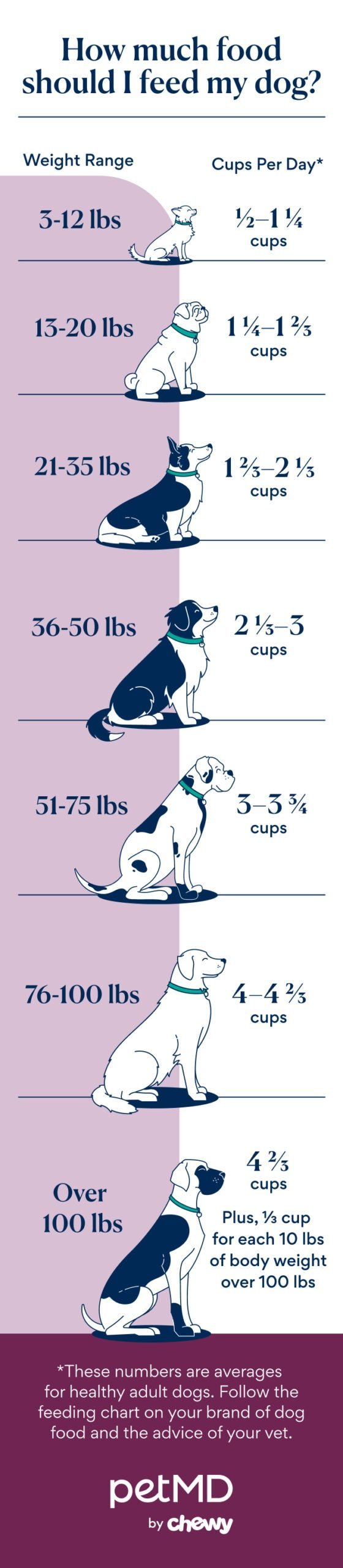
Choosing the right diet depends on your dog’s age, weight, and activity level. If your dog is a puppy, they need more calories and specific nutrients to support growth, while senior dogs often require fewer calories to maintain a healthy weight. The most common mistake people make is ignoring the feeding guidelines on the package. This often leads to overfeeding, which contributes to obesity and related health issues. Always measure portions carefully rather than guessing.
What is best to feed your dog: Proper procedures
- Consult your veterinarian to determine your dog’s ideal caloric intake based on their breed and current body condition.
- Select a food formulated for your dog’s life stage, such as “puppy,” “adult,” or “senior,” to ensure they receive the correct nutrient balance.
- Measure every meal using a standard kitchen scale or a measuring cup to prevent accidental overfeeding.
- Transition to a new food slowly over seven to ten days by mixing increasing amounts of the new food with the old one to avoid stomach upset.
- Provide fresh, clean water at all times, as proper hydration is essential for digestion and overall health.
- Monitor your dog’s weight and body condition score monthly, adjusting the daily portion by small amounts if you notice weight gain or loss.
Tip: If you switch brands abruptly, your dog may experience vomiting or diarrhea. Always follow the slow transition schedule.
Time requirements for nutrition
Feeding frequency varies based on age and metabolic needs, though consistency remains the most important factor for digestion. The Association of American Feed Control Officials provides guidelines that help manufacturers ensure their products meet basic nutritional requirements for different life stages.
| Life Stage | Meals Per Day | Portion Adjustment | What to Watch For |
|---|---|---|---|
| Puppy | 3 to 4 | Monthly | Rapid weight gain |
| Adult | 2 | As needed | Body condition score |
| Senior | 2 | As needed | Reduced activity levels |
If your dog leaves food in the bowl consistently, reduce the portion size by ten percent at the next meal to prevent waste and maintain their target weight.
Checking for dietary success
You can tell if a diet is working by observing your dog’s physical condition and energy levels. A healthy dog should have a shiny coat, clear eyes, and firm, consistent stools. If you run your hands along their ribs, you should be able to feel them easily without seeing them protruding. If the ribs are hidden under a thick layer of fat, your dog is likely overfed. If the dog is lethargic or losing muscle mass, consult a vet to rule out underlying health issues before changing the diet or increasing the food volume.
Avoiding common feeding errors
- Feeding human table scraps: These often contain high salt or fat levels that can cause pancreatitis in dogs, so stick to veterinarian-approved snacks.
- Ignoring the label: Not reading the ingredient list or life-stage label means you might provide the wrong nutrient ratio, which can lead to long-term health deficiencies.
- Giving free-choice access: Leaving a bowl full of food out all day makes it impossible to track how much your dog eats, which is a leading cause of pet obesity.
- Skipping fresh water: Dehydration happens quickly if the water bowl is empty, so check the water level at least twice daily.
Frequently asked questions
How much should I feed my dog?
You should feed your dog based on the calorie density of the specific food and their daily activity level. Check the back of the bag for the manufacturer’s suggested range, then adjust that amount based on your veterinarian’s advice to ensure your dog maintains a healthy weight.
Is it safe to feed my dog raw meat?
No, feeding raw meat carries significant risks of bacterial contamination like Salmonella or Listeria, which can affect both the dog and your household. Most veterinarians recommend feeding cooked or commercially processed diets that have been properly heat-treated to eliminate these common pathogens and ensure nutritional safety.
How often should I change my dog’s food?
You don’t need to change your dog’s food unless they have a medical issue or reach a new life stage. If your dog is doing well on a high-quality, balanced diet, switching brands frequently can actually lead to unnecessary digestive stress and pickiness at mealtime.
Can I give my dog vegetables as treats?
Yes, many dogs enjoy plain, cooked vegetables like carrots or green beans as low-calorie snacks. Always ensure these are plain without added butter, salt, or onions, as ingredients like onions and garlic are toxic to dogs and must be avoided entirely in any amount.
What happens if I overfeed my dog?
Overfeeding leads to obesity, which increases the risk of joint pain, diabetes, and heart disease. If you notice your dog is gaining weight, reduce their daily portion by five to ten percent and increase their daily exercise to help them return to a healthy, lean body condition.
How long does an opened bag of dog food last?
An opened bag of dry dog food generally stays fresh for four to six weeks if stored in a cool, dry place. To maintain quality, keep the food in its original bag inside an airtight container and check the expiration date printed on the packaging before serving.
Feed dog, in short
Establishing a consistent feeding routine is the most effective way to manage your dog’s health for years to come. By using measured portions, choosing life-stage appropriate nutrition, and monitoring their weight, you ensure your dog stays active and healthy. Always speak with your veterinarian if you notice sudden changes in appetite or body weight.