
The healthiest dog food for most pets is high-quality, nutritionally balanced commercial food that meets AAFCO nutrient profiles for your dog’s specific life stage. You should prioritize products that provide clear ingredient lists and undergo regular, rigorous testing to ensure safety and consistent nutritional quality.
The most important factor is matching the food to your dog’s age and health needs, as puppies, adults, and seniors have vastly different requirements. The most common mistake is choosing a diet based on marketing trends rather than clinical research. Always check the label to ensure it states the food is “complete and balanced,” which confirms it meets the standards set by the Association of American Feed Control Officials for your dog’s life stage.
What is considered the healthiest dog food for your pet
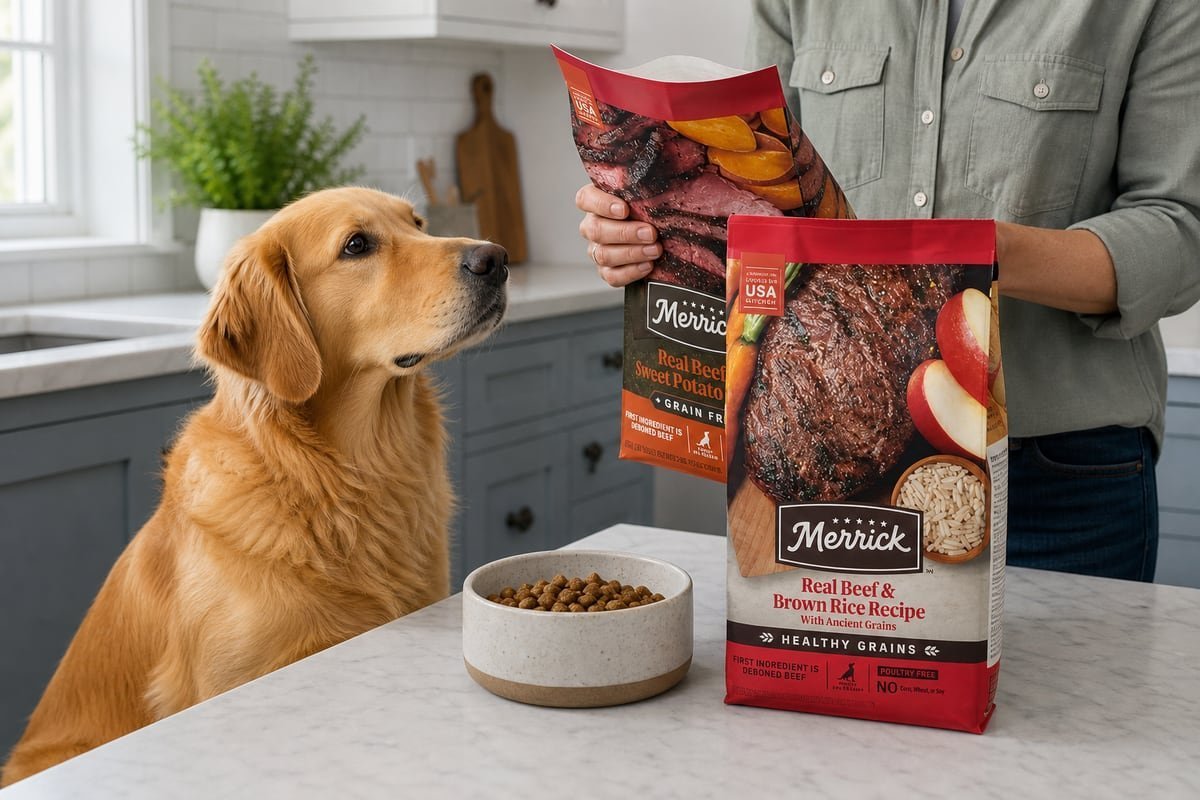
- Consult your veterinarian to determine your dog’s caloric needs based on their weight, breed, and activity level.
- Select a food labeled for your pet’s specific life stage, such as “growth” for puppies or “adult maintenance” for mature dogs.
- Measure portions using a standard kitchen scale rather than a cup to ensure you provide the exact amount recommended by the feeding guide.
- Transition to new food gradually by mixing it with the old diet over 7 to 10 days to prevent digestive upset.
- Store dry kibble in an airtight container in a cool, dry place to maintain freshness and prevent mold growth. Tip: If you notice your dog gaining or losing weight, adjust the daily intake by five to ten percent and monitor them for two weeks.
Timeline for dietary adjustments
The time required to see results from a new diet varies depending on your dog’s health goals and current body condition.
| Situation | Timeline | What changes it | What to watch for |
|---|---|---|---|
| Normal transition | 7–10 days | Digestive sensitivity | Loose stools |
| Weight loss | 4–8 weeks | Activity level | Rib coverage |
| Coat improvement | 6–8 weeks | Omega fatty acids | Shine and texture |
| Energy changes | 2–4 weeks | Caloric density | Lethargy or hyperactivity |
If your dog shows no improvement in energy or coat quality after eight weeks, consult your vet to check for underlying health issues.
Evaluating food quality
You can determine if a food is suitable by checking the packaging for a statement of nutritional adequacy. A reputable manufacturer performs feeding trials to prove their food supports health over time, rather than just analyzing the ingredients in a lab. Look for specific animal protein sources listed as the first ingredient, such as “chicken” or “beef,” rather than generic “meat meal.” If your dog has a known allergy, focus on single-source protein options. This varies by product — check the label carefully, as some “grain-free” or “boutique” diets may lack the long-term testing required to ensure they don’t cause nutritional deficiencies in your specific breed.
Dietary errors to avoid
- Ignoring life-stage labeling: Feeding puppy food to an adult dog often leads to obesity, while feeding adult food to a puppy can cause skeletal development issues. Always match the label to your dog’s current age.
- Trusting “human-grade” marketing: This label doesn’t guarantee the food is nutritionally superior or safer than high-end commercial options. Focus on the nutritional analysis and manufacturer reputation instead.
- Over-relying on ingredient lists: A long list of exotic ingredients often hides a lack of scientific backing or poor quality control. Prioritize brands that invest in clinical research and have a history of safe manufacturing.
Frequently asked questions
Photo: www.frysfood.com on Google
Can I feed my dog a raw food diet?
No, raw diets carry a high risk of bacterial contamination, such as Salmonella and Listeria, which can infect both your dog and your family. Most veterinary organizations advise against raw feeding due to these safety concerns and the difficulty of balancing nutrients properly without professional guidance.
How much should I feed my dog daily?
You should feed your dog based on their target body weight and activity level, typically following the guidelines on the packaging as a starting point. If your dog is sedentary, start at the lower end of the recommended range to prevent unhealthy weight gain over time.
Is grain-free food better for dogs?
No, grain-free food isn’t proven to be healthier for the average dog and has been linked by researchers to heart issues in some breeds. Unless your veterinarian confirms a specific grain allergy, keeping grains in the diet provides essential fiber and energy for your pet.
How long does an open bag of dog food last?
An open bag of dry dog food typically stays fresh for four to six weeks if stored properly in an airtight container. Once this window passes, the fats in the food can go rancid, reducing the nutritional value and potentially making your dog ill.
What happens if I switch dog food too fast?
Switching food too fast often leads to vomiting, diarrhea, and general stomach discomfort for your pet. Always use a 7 to 10-day transition period to give your dog’s digestive system time to adjust to the new nutrient profile and fiber content of the food.
Is expensive dog food always better?
No, the price of dog food doesn’t always correlate with nutritional quality or health benefits. You should look for brands that conduct feeding trials and have strict quality control measures rather than choosing a food based solely on its high retail price.
Considered healthiest, in short
Providing your dog with consistent, high-quality nutrition is the most effective way to support their long-term health and vitality. By focusing on life-stage appropriateness and reliable manufacturing standards, you ensure your pet receives the energy and nutrients they need to thrive regularly.