
A balanced diet of commercial dog food is good for your dog to eat, as these products meet specific nutritional profiles for canine health.
What is good for dogs to eat
- Protein provides the amino acids necessary for maintaining muscle mass and repairing body tissues.
- Healthy fats, such as omega-3 fatty acids, support skin health and a shiny, soft coat.
- Fiber aids in proper digestion and helps keep your dog feeling full between their meals.
- Always provide fresh, clean water at all times to prevent dehydration and support organ function.
- Puppies require calorie-dense food for growth, while seniors often need lower-calorie, joint-supporting diets.
- Check the FDA information on pet food to understand how regulations ensure safety and proper labeling.
Why specific nutrients are required
Dogs are omnivores that thrive on a mix of animal proteins, healthy fats, and complex carbohydrates. Consult a veterinary nutritionist if preparing meals at home to avoid deficiencies. Guesswork often leads to calcium and phosphorus imbalances, causing bone and joint problems.
When the answer is different
| Situation | What changes | What to do instead |
|---|---|---|
| Food allergies | Protein or grain source | Switch to limited-ingredient diets |
| Sensitive stomach | Fiber content | Feed bland, easily digestible food |
| Obesity | Calorie density | Use weight management formulas |
| Puppy growth | Nutrient concentration | Choose puppy-specific life-stage food |
| Senior status | Joint supplements | Look for glucosamine-enriched recipes |
How to feed your dog
- Determine your dog’s daily calorie needs based on their current weight and activity level using the bag’s guidelines.
- Divide the total daily amount into two equal meals to help maintain steady blood sugar levels throughout the day.
- Measure each portion using a kitchen scale to ensure you aren’t overfeeding or underfeeding your pet.
- Introduce any new food gradually by mixing it with the old brand over five to seven days.
- Watch for signs of digestive upset, such as loose stools or vomiting, during the transition to new food.
- Adjust the portion size if your dog begins to gain or lose weight unexpectedly over several weeks.
The mistakes that ruin it
- Feeding human table scraps often leads to obesity and can cause painful, life-threatening pancreatitis.
- Adding garlic or onions to homemade food is dangerous because these ingredients are toxic to dogs.
- Ignoring the “best by” date on packaging can mean your dog consumes rancid fats or degraded vitamins.
- Overfeeding treats causes your dog to skip their nutritionally balanced meals, creating long-term health gaps.
Can I feed my dog raw meat?
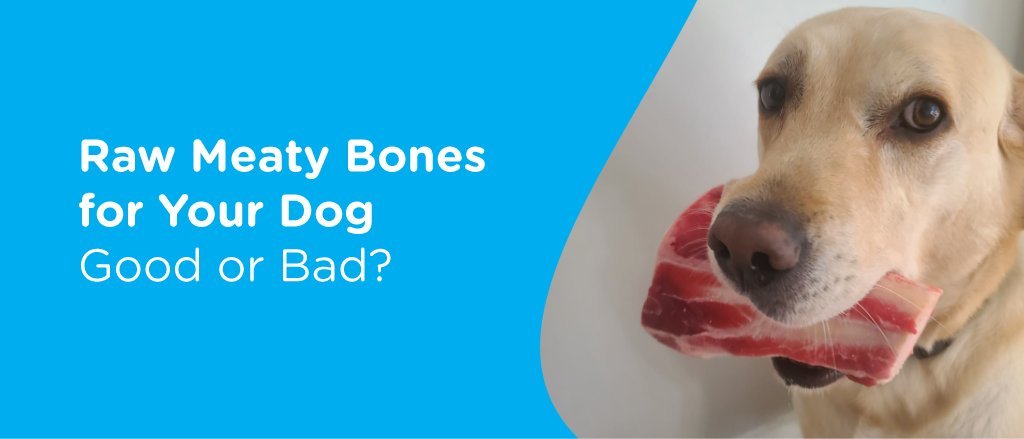
Feeding raw meat is risky because it often carries harmful bacteria like Salmonella or Listeria that can make both your pet and your family sick. Stick to commercially cooked, balanced options.
What human foods are safe?
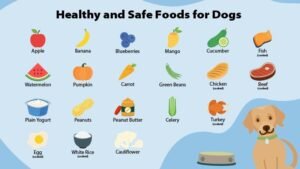
Plain cooked chicken, steamed carrots, and blueberries are safe in small amounts as occasional treats. Never give your dog grapes, raisins, chocolate, or anything containing the sweetener called xylitol.
How much should my dog eat?
The amount depends on their weight, age, and activity level, so check the feeding chart on your specific dog food bag. Adjust portions if your dog becomes less active over time.
Is grain-free food better?
Grain-free food is only better if your dog has a medically diagnosed allergy to specific grains. Most dogs digest grains perfectly fine and benefit from the fiber they provide.
Why does my dog eat grass?
Dogs often eat grass to soothe a minor stomach ache or simply because they enjoy the texture. If the behavior becomes obsessive, consult your veterinarian for an exam.
Can dogs eat dairy products?
Most adult dogs are lactose intolerant and will experience gas or diarrhea after eating dairy. It’s best to avoid milk, cheese, and ice cream entirely for your dog.
Providing a consistent, high-quality diet is the simplest way to support your dog’s long-term health and vitality. By sticking to established commercial standards and avoiding harmful human foods, you ensure your pet receives the proper balance of nutrients every single day.
Related guides