
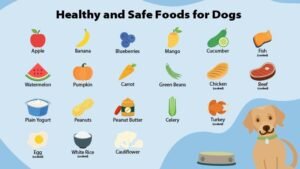
Plain cooked lean meats, plain white or brown rice, cooked carrots, and cored apple slices are excellent fresh food options for your dog. These whole items provide clean protein, gentle fiber, and vitamins without harmful additives. They remain safe treats only when prepared completely unseasoned, without salt, butter, garlic, or onions.
What is good for your dog to eat: Safe human foods
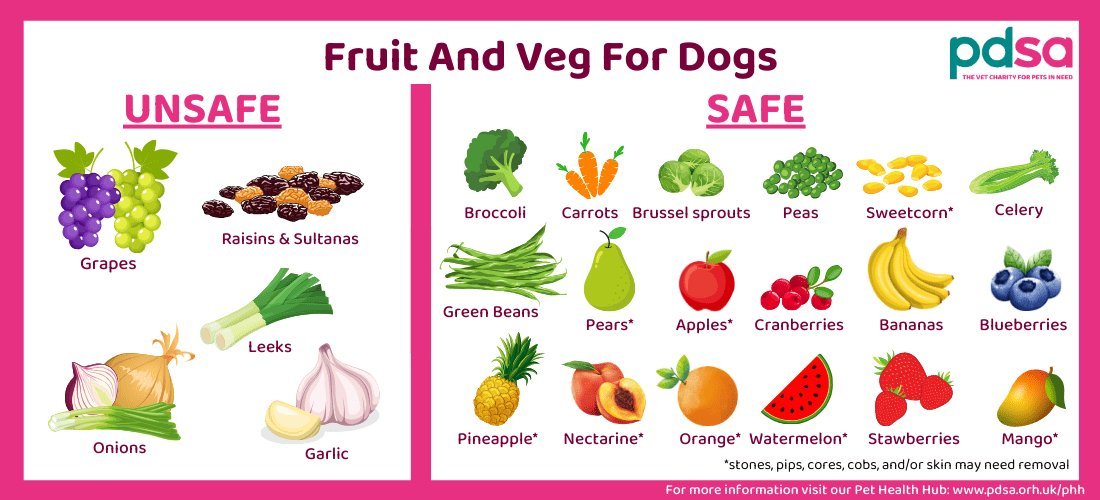
Feeding safe home foods gives your pet variety and simple nutrients without complex processing. You can safely share these specific kitchen staples in small portions:
- Skinless boiled chicken breast cut into bite-sized pieces delivers high-protein energy with very low fat.
- Steamed sliced carrots provide natural beta-carotene and a crunchy snack.
- Cooked plain pumpkin puree supplies soluble fiber that quickly firms loose stool or eases mild constipation.
- Plain cooked white rice offers fast, easy-to-digest starches that settle an irritated stomach during recovery days.
- Cored apple slices give vitamins A and C, as the seeds are toxic.
- Cooked green beans provide bulk and vitamin K with almost zero calories for overweight pets.
Why dogs thrive on simple foods
Dogs are omnivores that digest both animal proteins and plant starches efficiently. Their short digestive tracts absorb amino acids from muscle meat quickly, which supports muscle repair and immune function. Adding plain cooked vegetables provides gentle fiber that feeds healthy gut bacteria without causing painful gas.
Commercial pet food labels must meet strict nutrient balance rules established by veterinary nutrition boards. The FDA pet food safety guidelines explain how commercial diets balance calcium, phosphorus, and essential fatty acids to keep pets healthy. Home treats don’t have these precise mineral ratios, so treats must never replace balanced meals entirely. Whole foods work best as minor supplements, giving dogs fresh moisture and natural antioxidants while leaving their core nutrition to formulated daily kibble or wet food.
Feeding rules for special health conditions

Every dog processes nutrients differently depending on age, weight, and medical history. What helps one dog might hurt another.
| Situation | What changes | What to do instead |
|---|---|---|
| Kidney disease | Can’t process high phosphorus | Avoid organ meats and bones |
| Chronic pancreatitis | Fats trigger severe inflammation | Feed boiled white poultry only |
| Overweight dog | Excess calories cause joint pain | Swap meat treats for green beans |
| Diabetes diagnosis | Simple sugars cause blood spikes | Avoid carrots and sweet fruits |
| Teething puppy | Adult treats can choke them | Offer soft, chilled carrot sticks |
| Senior dog | Reduced kidney and liver efficiency | Provide easily chewed, lean proteins |
How to prepare fresh dog food
Preparing fresh additions at home takes only a few minutes if you follow strict kitchen safety standards.
- Select 4 to 8 ounces of plain, boneless chicken breast or lean ground turkey with no added sodium.
- Trim away all visible fat and skin with a sharp knife to prevent sudden bouts of painful pancreatitis.
- Boil the meat in 3 cups of plain tap water on medium heat for roughly 12 to 15 minutes.
- Check that poultry reaches an internal temperature of 165°F using a digital meat thermometer before taking it off heat.
- Dice the cooked meat into 1/2-inch pieces so your dog can swallow each bit without choking.
- Mix 1 to 2 tablespoons of the warm meat directly into their regular kibble bowl as a topper.
- Refrigerate any unused portions in an airtight glass container and discard anything left after 72 hours.
Kitchen habits that harm your dog
Sharing food from your plate often exposes dogs to hidden, dangerous ingredients. Avoid these frequent kitchen habits:
- Seasoning food with onion or garlic powder destroys canine red blood cells and causes severe life-threatening anemia.
- Tossing cooked poultry bones to a dog causes splintered fragments that pierce stomach walls and require emergency surgery.
- Feeding fatty table trimmings like bacon grease triggers acute pancreatitis, costing owners thousands of dollars in vet bills.
- Handing out sugar-free baked goods can poison pets because artificial xylitol causes rapid, fatal drops in blood sugar.
Frequently asked questions
Can dogs eat raw chicken?
No. Raw chicken carries dangerous Salmonella and Campylobacter bacteria that cause severe vomiting, bloody diarrhea, and household contamination. Cook all poultry to 165°F before serving it to your dog.
How much human food can I feed daily?
Keep human food under 10% of your dog’s daily calories.
Is cooked white rice good for diarrhea?
Yes. Boiled white rice absorbs excess fluid in the gut and digests easily without stressing inflamed intestines. Feed two parts cooked rice mixed with one part boiled chicken for two days.
Can dogs eat cheese safely?
Only in tiny amounts. Most dogs are lactose intolerant, so large pieces of cheese cause gas and diarrhea. A single 1/2-inch cube of low-fat cheddar works well for hiding pills.
What happens if a dog eats grapes?
Grapes cause sudden, acute kidney failure in dogs even in tiny amounts. Call an emergency vet clinic immediately if your pet swallows a single grape or raisin.
Does cooked sweet potato upset dog stomachs?
No, plain cooked sweet potato is generally safe and healthy for dogs. It provides essential dietary fiber and vitamins that support smooth digestion. Always peel and steam the potato thoroughly, serving no more than one tablespoon at a time to prevent loose stools.
Good dog, in short
Before you introduce these new snacks, check with your vet to make sure they’re right for your pet’s specific health needs. It’s also a good idea to start with small portions to see how your dog’s stomach reacts. You’ll be glad you took these extra steps to keep your best friend happy.