

High-quality commercial dog food that meets AAFCO standards provides complete and balanced nutrition for your dog.
Understanding nutritional balance
The most important factor is providing a diet that matches your dog’s age, size, and activity level. A common mistake people make is feeding a puppy adult food or vice versa; this can lead to improper bone growth or weight issues. If your dog is a high-energy working breed, they need more calories than a sedentary senior dog. Always check the label to ensure the caloric density matches your pet’s daily energy output.
Preparing healthy meals
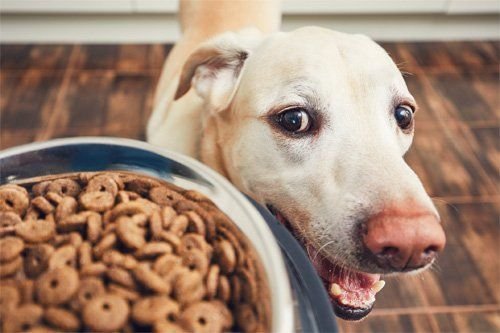
- Select a base diet that lists a named protein, such as chicken or beef, as the first ingredient on the label.
- Measure your dog’s portions using a standard measuring cup rather than guessing, as overfeeding is a primary cause of canine obesity.
- Introduce any new food gradually over a period of seven days by mixing it with the old food to avoid digestive upset. Tip: Start with 25% new food and 75% old food, increasing the ratio daily.
- Provide fresh, clean water at all times to support digestion and kidney function.
- Limit human table scraps to no more than 10% of their total daily caloric intake to maintain nutritional balance. Tip: Avoid onions, garlic, grapes, and chocolate, as these are toxic to dogs according to the FDA’s list of pet food ingredients.
- Consult your veterinarian before adding supplements to ensure you aren’t creating a nutrient imbalance.
Factors affecting feeding times
The time it takes to see the effects of a diet change depends on your dog’s metabolism and current health. While some dogs adjust within days, others require a longer transition period to show improvements in coat quality or energy levels.
| Situation | Expected Adjustment Period | What changes it | What to watch for |
|---|---|---|---|
| Simple food switch | 7 to 10 days | Digestive sensitivity | Loose stools |
| Weight loss diet | 4 to 8 weeks | Activity levels | Body condition score |
| Allergy elimination | 8 to 12 weeks | Severity of reaction | Skin redness |
If your dog shows signs of lethargy or refuses to eat for more than 24 hours, contact your local veterinary clinic immediately.
Monitoring dietary success
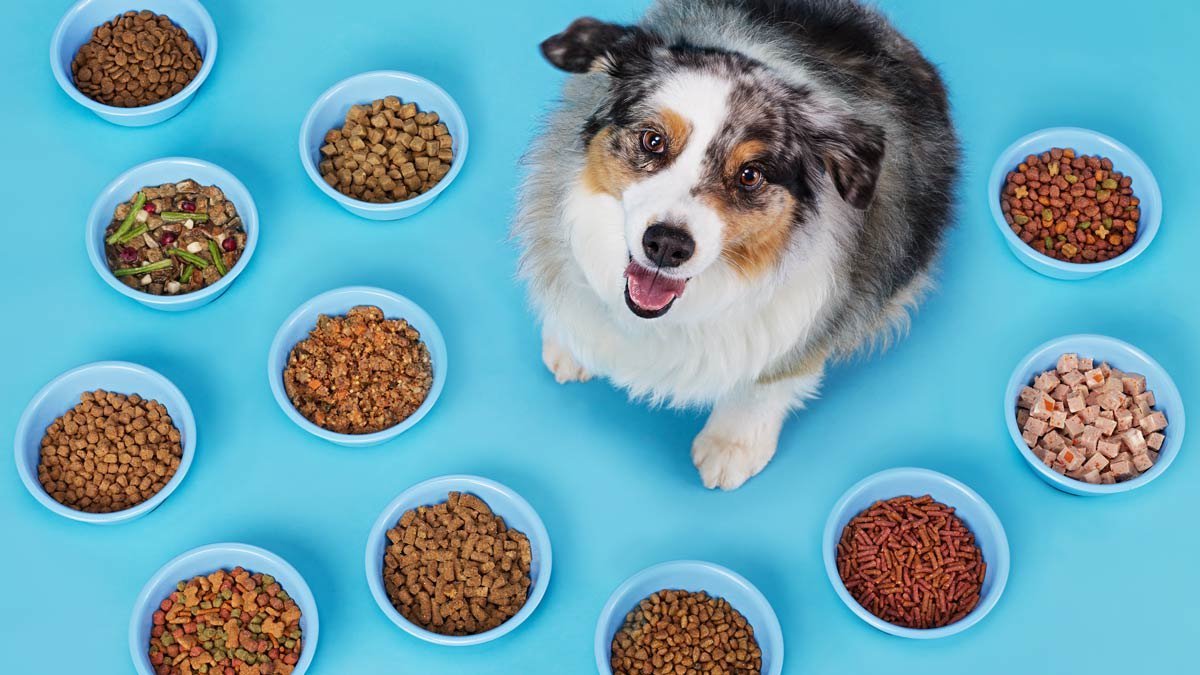
You can tell if a diet is working by observing your dog’s physical condition and energy. A healthy dog has a shiny, soft coat, clear eyes, and firm, consistent stools. They should maintain a steady weight where you can feel their ribs without seeing them prominently. If you notice persistent itching, dull fur, or sudden weight changes, the current food may not be providing the right balance for your specific pet. When in doubt, perform a body condition check by feeling for their waistline; if you can’t feel a tuck behind the ribs, they’re likely carrying too much weight.
Errors that compromise health
- Feeding only raw meat: This often lacks the essential calcium-to-phosphorus ratio required for bone health, which can lead to long-term skeletal damage. Always provide a balanced commercial diet instead.
- Ignoring portion sizes: Giving “just a little extra” at every meal leads to obesity, which significantly shortens a dog’s life span. Use a measuring cup every single time you serve a meal.
- Frequent diet rotation: Changing brands too often without a transition period causes unnecessary gastrointestinal distress. Stick to one high-quality formula unless your veterinarian advises a change.
- Providing too many treats: Extra calories from treats disrupt the nutrient profile of their main meals. Keep treats strictly limited to a small percentage of their total daily intake.
Frequently asked questions
Can dogs eat human food?
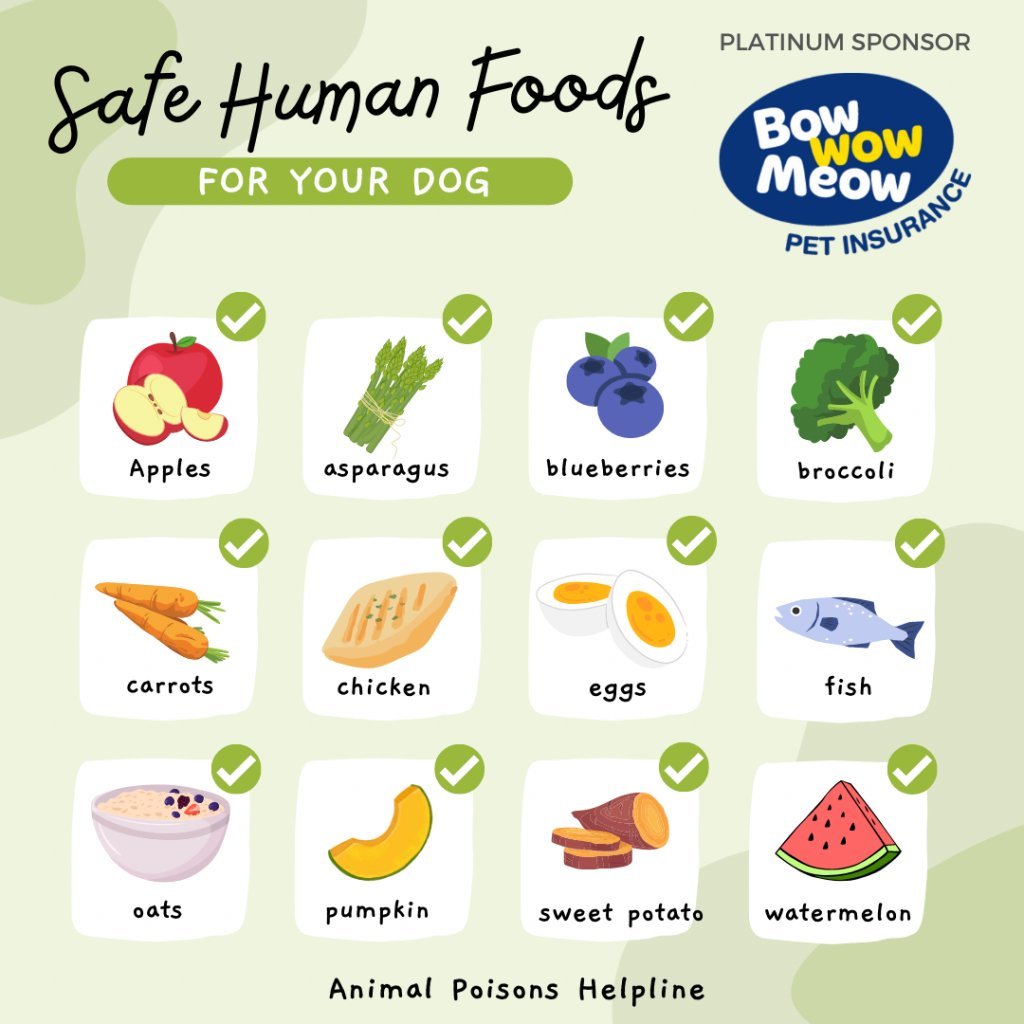
Yes, dogs can eat certain human foods like plain cooked chicken, carrots, and green beans, but these shouldn’t replace their primary diet. Never feed your dog anything containing onions, garlic, xylitol, or chocolate, as these are dangerous and can cause severe health emergencies.
How much should I feed my dog?
You should feed your dog based on the weight and activity guidelines printed on the food bag, then adjust based on their body condition. If your dog starts to look thin or gains weight, increase or decrease their portion by about 10% and monitor them for two weeks.
How often should a dog eat?
Most adult dogs thrive on two meals per day, while puppies usually require three to four feedings to maintain their energy. Consistency in timing helps regulate their digestive system and makes it easier for you to track if they’re eating their full, required portions.
Is it safe to feed dogs raw eggs?
No, feeding raw eggs isn’t recommended because of the risk of salmonella or E. coli contamination. While cooked eggs are a safe source of protein, you should always ensure they’re fully cooked without butter, oil, or seasonings that could upset your dog’s stomach.
What happens if my dog eats too much?
If your dog eats too much, they risk immediate stomach upset, vomiting, or long-term issues like obesity and joint strain. If you suspect they have consumed a large amount of food or something toxic, contact your veterinarian or a pet poison control center immediately for professional guidance.
How long can I leave dog food out?
You shouldn’t leave wet dog food out for more than two hours to prevent bacterial growth. Dry kibble can be left out longer, but it’s best to remove it after a few hours to keep the food fresh and prevent pests from being attracted to the bowl.
Good feed, in short
Providing a consistent, high-quality diet remains the most effective way to support your dog’s long-term health and vitality. By monitoring their body condition and avoiding harmful human foods, you ensure they get the nutrients they need to stay active and happy throughout their life.
Related guides