
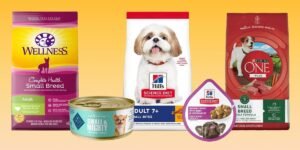
The best and safest dog food is a diet that meets the nutritional standards established by the Association of American Feed Control Officials (AAFCO) for your dog’s specific life stage. You should look for products with a clear feeding trial statement on the label, which proves the food provides complete, balanced nutrition.
Why it works / what to know first
When evaluating a brand, check the bag for a statement confirming the food passed AAFCO feeding trials. This indicates the food was tested on real dogs, rather than just formulated on paper to meet nutrient profiles.
The most common mistake owners make is choosing a diet based on marketing buzzwords like “grain-free” or “human-grade” without verifying the nutritional adequacy statement. These terms aren’t strictly defined by regulators and don’t guarantee your pet is receiving the correct balance of essential vitamins and minerals.
What is the best and safest dog food to choose
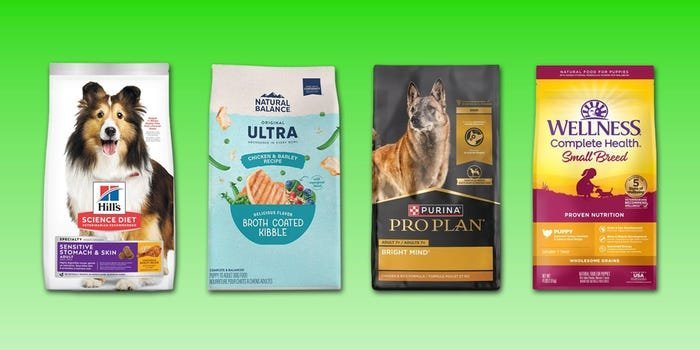
- Verify the AAFCO nutritional adequacy statement on the product label, which confirms the food is complete and balanced for your pet’s life stage, such as “growth,” “adult maintenance,” or “all life stages.”
- Read the ingredient list to ensure a high-quality protein source, such as chicken, beef, or fish, is listed as the first ingredient.
- Consult your veterinarian before choosing a specialized diet, especially if your dog has known allergies, sensitive digestion, or a history of health issues.
- Check for a list of pet food recalls maintained by the FDA to ensure the manufacturer has a track record of transparency and safety.
- Transition your dog to the new food gradually over seven to ten days by mixing increasing amounts of the new food with the current diet to prevent digestive upset.
Tip: If your dog shows signs of vomiting or diarrhea after a switch, stop the transition and return to the previous food while you contact your veterinarian.
Timeline for Dietary Adjustments
Changing a dog’s diet requires patience to ensure the digestive system adapts safely without causing discomfort or illness.
If your dog experiences persistent lethargy or refuses to eat for more than 24 hours during this process, consult your local veterinary clinic immediately for a professional assessment.
Signs of Proper Nutrition
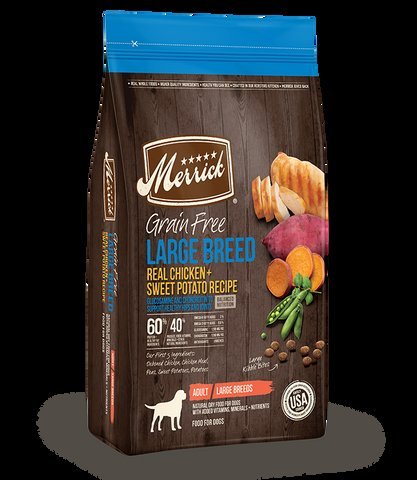
You can tell if a food is working by monitoring your dog’s physical condition and energy levels over several weeks. A healthy dog should maintain a consistent, lean body weight with a shiny coat and firm, regular stools. If you notice dull fur, excessive shedding, or frequent scratching, the current food may lack the essential fatty acids your dog needs. The most reliable way to measure success is through regular weight checks at your vet, as unintended weight gain or loss is often the first sign that a diet isn’t meeting your dog’s specific caloric requirements.
Common Nutritional Mistakes
Photo: shelterrockislamiccenter.com on Google
- Ignoring Life Stage Requirements: Feeding a puppy adult food or vice versa leads to serious growth or metabolic issues because each stage has different calcium and protein needs. Always stick to the label’s life stage recommendation to ensure your dog gets the right nutrients for their age.
- Overfeeding Based on Packaging: Labels often suggest a range of portions, but every dog’s metabolism varies based on activity level and age. Start at the lower end of the recommended amount and adjust based on your dog’s body condition score to prevent dangerous obesity.
- Frequent Brand Hopping: Changing foods constantly without a transition period causes unnecessary gastrointestinal stress and makes it impossible to identify which food is causing a reaction. Choose a high-quality brand and stick with it unless your veterinarian suggests a medical reason to switch.
How do I know if a dog food is safe?
A safe food will have a clear AAFCO statement on the packaging and a manufacturer that provides open access to their safety protocols. You can verify their safety history by searching the FDA’s public database for any past recalls or voluntary withdrawals associated with that specific brand.
Can I feed my dog human food?
No, you shouldn’t rely on human food as a primary diet because it’s rarely balanced for a dog’s complex nutritional requirements. While some cooked meats or vegetables are safe as occasional treats, they can easily cause nutrient deficiencies or toxic reactions if they replace a complete commercial diet.
Is grain-free food better for dogs?
No, there’s no scientific evidence that grain-free diets are superior for the average healthy dog. Unless a veterinarian has diagnosed your dog with a specific grain allergy, grains provide important fiber and energy that support a balanced, healthy digestive system throughout your dog’s life.
How much should I feed my dog?
You should feed your dog based on their target weight and activity level, usually starting with the amounts listed on the bag. If your dog begins to gain or lose weight, adjust the portion size by about ten percent until they maintain a lean, healthy body condition score.
What happens if I switch dog food too fast?
Switching too fast usually results in digestive distress, such as diarrhea, vomiting, or extreme gas. A slow transition allows your dog’s digestive system to adjust to the new nutrient profile, which helps prevent the stomach upset that often occurs when a diet is changed abruptly.
Is raw food safe for my dog?
Raw food is generally not considered safe by major veterinary organizations due to the high risk of bacterial contamination like Salmonella and Listeria. These pathogens can cause severe illness in both your dog and the humans living in your home, making commercially cooked food the safer choice.
Consulting your veterinarian remains the best way to handle your dog’s specific dietary needs. They can assess your dog’s unique health profile and recommend a brand that fits their lifestyle, activity level, and medical history.
Safest dog, in short
Choosing the right meal isn’t just about labels; it’s about your companion’s long-term health. Don’t hesitate to schedule a quick chat with your veterinarian during your next visit. They’ll help you tailor these choices to your pet’s unique needs, so you’re both feeling confident about what’s in their bowl every day.