
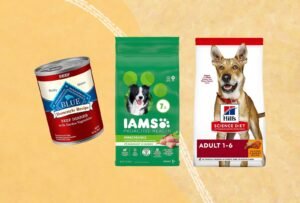
The best dog food is a nutritionally complete diet formulated to meet the specific life stage and health requirements of your individual dog, as defined by the Association of American Feed Control Officials nutrient profiles. There’s no single “best” brand for every dog, only the one that provides balanced, safe, and appropriate fuel for their unique needs.
Understanding Nutritional Requirements
Choosing the right food starts with checking the label for an AAFCO statement. This confirms the product meets the minimum standards for growth, maintenance, or all life stages. If you ignore this, you risk feeding a diet that lacks essential vitamins or minerals, which can lead to long-term health issues.
The biggest mistake is switching food too quickly. If you change a dog’s diet overnight, it often causes digestive upset, vomiting, or diarrhea. Always mix the new food with the old over a period of seven to ten days to allow their system to adjust.
What is really the best dog food for your pet
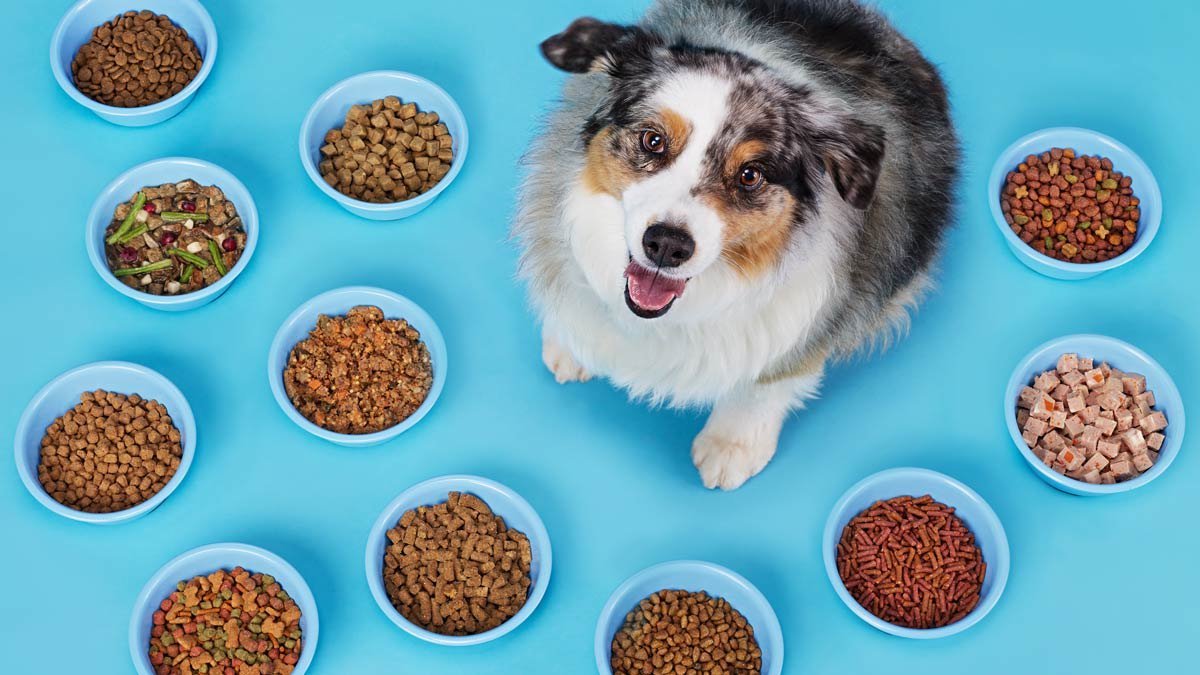
- Identify your dog’s current life stage, such as puppy, adult, or senior, as these have different protein and calorie needs.
- Check the packaging for the AAFCO nutritional adequacy statement to ensure it’s complete and balanced for your pet.
- Consult your veterinarian about specific health needs, such as joint support, weight management, or sensitive skin, before choosing a specialized formula.
- Transition the diet slowly by mixing 25% new food with 75% old food for three days, then 50/50 for three days, and finally 75% new food for three days.
- Store dry kibble in its original bag inside a sealed plastic container to maintain freshness and prevent contamination. Tip: Don’t add human supplements unless directed by a vet, as you can easily cause toxic mineral imbalances.
Factors Affecting Feeding Times
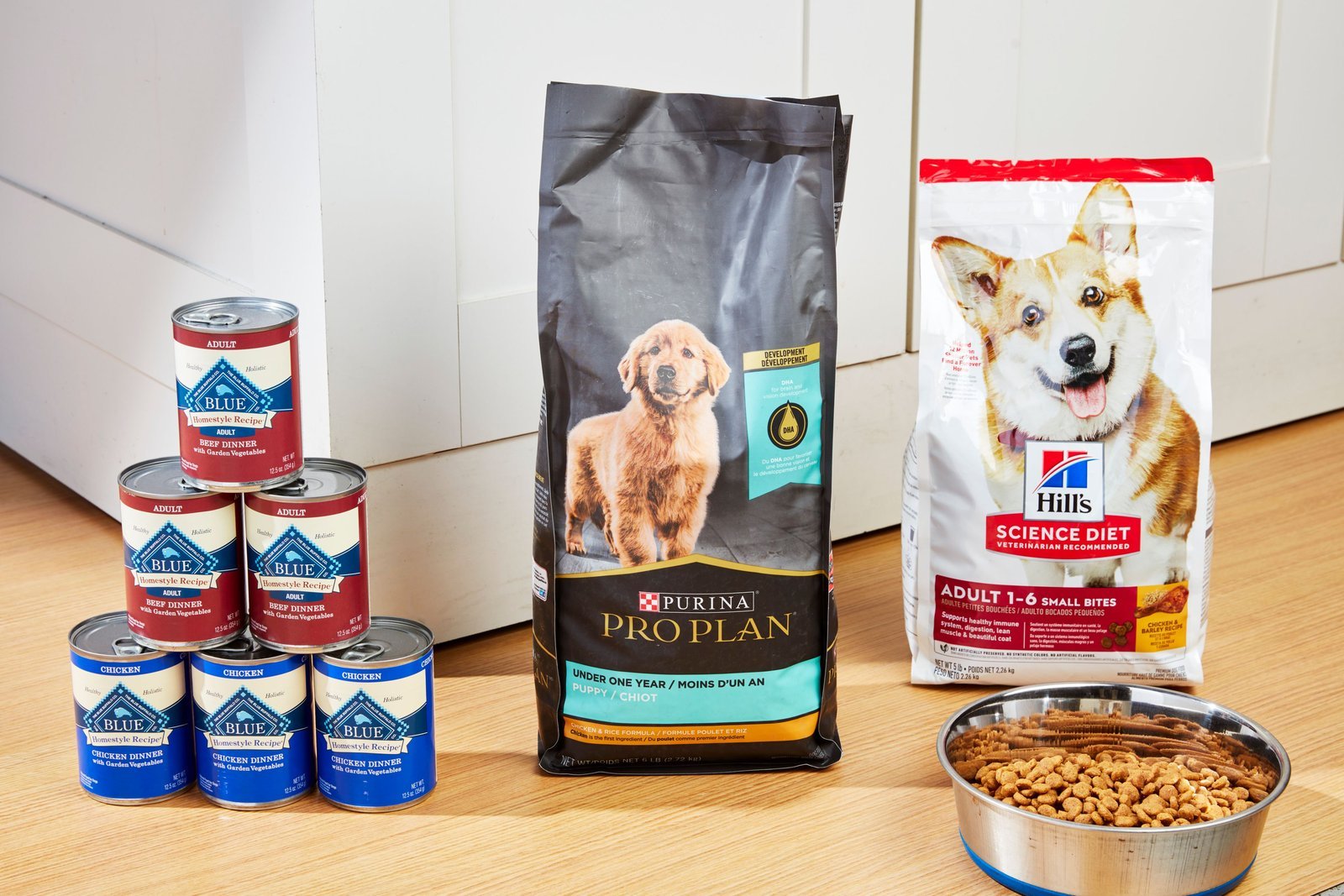
Feeding routines vary based on the dog’s age, activity level, and the specific density of the kibble or canned food you select.
| Situation | Feeding Frequency | What changes it | What to watch for |
|---|---|---|---|
| Puppy (up to 6 months) | 3-4 times daily | Growth rate | Rapid weight gain |
| Active Adult | 2 times daily | Exercise intensity | Energy levels |
| Senior Dog | 2 times daily | Metabolism slowing | Unwanted weight gain |
| Working Breed | 2-3 times daily | High caloric burn | Muscle condition |
If your dog leaves food in the bowl consistently, reduce the portion size by 10% the next day to prevent overfeeding.
Signs of a Healthy Diet
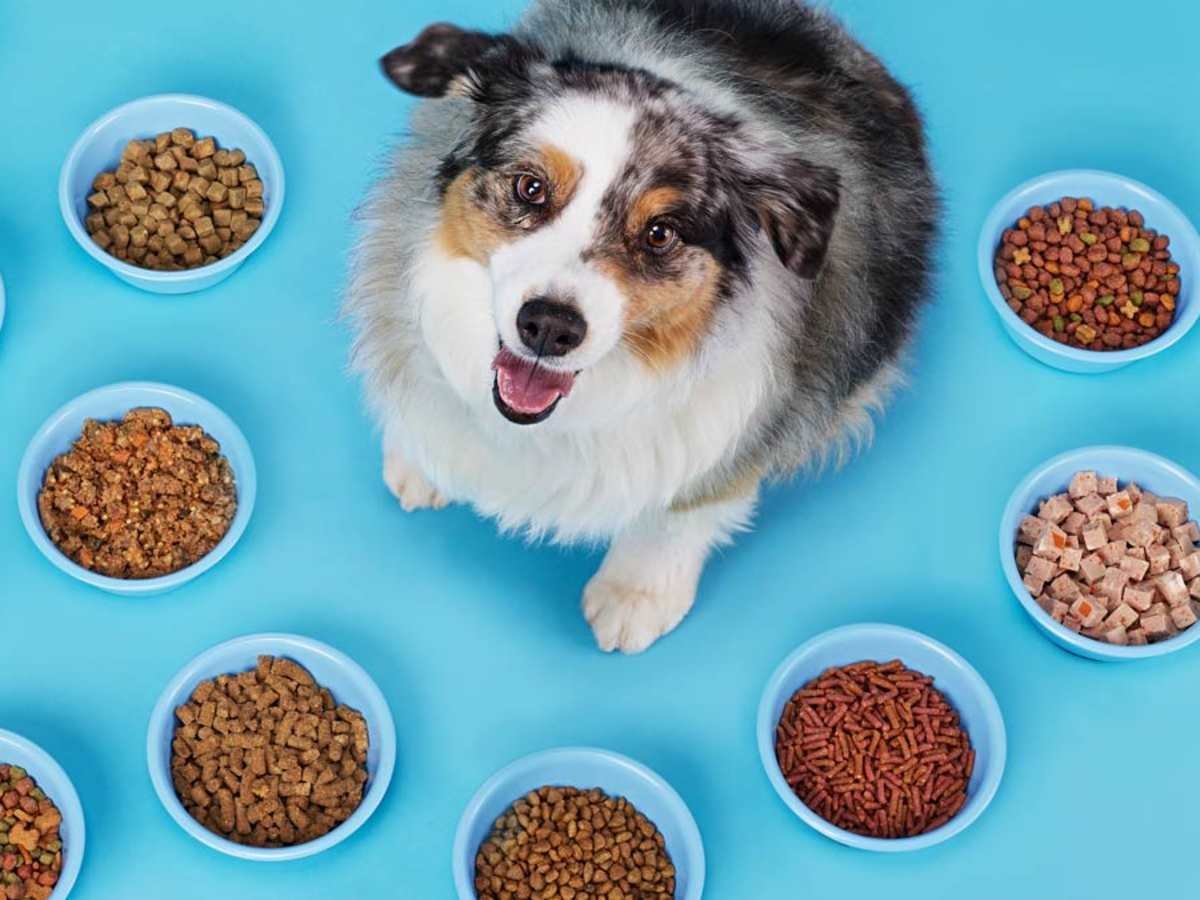
You can judge a food by the physical changes in your dog over four to six weeks. A high-quality diet should result in a shiny, soft coat without excessive shedding or flaky skin. Your dog should maintain a consistent, healthy body weight where you can feel their ribs but not see them clearly. Additionally, watch for steady energy levels throughout the day and small, firm stools. If your dog experiences chronic gas, dull fur, or lethargy, the current food may not be providing the necessary nutrients, and you should speak with your veterinarian about trying a different formula.
Common Feeding Pitfalls
- Feeding by volume instead of weight: Many people use a random cup to scoop, which leads to overfeeding or underfeeding because kibble sizes vary greatly. Use a standard measuring cup or a kitchen scale to ensure you’re meeting the calorie needs stated on the package.
- Ignoring calorie density: Two bags of food might look the same, but one may have 300 calories per cup while another has 500. Always check the “kcal/cup” information on the bag to adjust your portions correctly.
- Feeding excessive table scraps: Human food is often too high in fat or contains ingredients like onions and garlic that are toxic to dogs. Keep treats to less than 10% of their total daily caloric intake to ensure their primary diet remains the main source of nutrition.
Is expensive dog food always better?
No, price doesn’t guarantee quality. The best food is one that works for your specific dog. Higher prices often reflect marketing budgets or luxury ingredients that provide no extra health benefit compared to standard, science-backed formulas from reputable manufacturers.
How do I know if my dog is allergic to their food?
Common signs of a food allergy include chronic ear infections, itchy paws, and recurrent skin rashes. If you suspect an allergy, your vet may recommend a strict elimination trial using a hydrolyzed protein diet to identify the specific ingredient causing the reaction.
Can I feed my dog a grain-free diet?
You should only feed a grain-free diet if your veterinarian determines your dog has a specific diagnosed grain allergy. For most dogs, grains are a healthy source of energy and fiber, and there’s no proven health benefit to avoiding them in a balanced diet.
How much should I feed my dog?
You should follow the feeding guidelines on the bag as a starting point, then adjust based on your dog’s body condition. If your dog is gaining too much weight, reduce the portion by 5% to 10% and monitor their weight weekly until they reach their ideal size.
Is wet food better than dry food?
Wet food is excellent for dogs that need extra hydration or have trouble chewing, but it isn’t inherently “better” than dry kibble. Many owners choose a mix of both to provide variety and the dental benefits of crunching on kibble while keeping the dog hydrated.
What happens if I feed my dog too much?
Overfeeding leads to obesity, which increases the risk of joint pain, diabetes, and heart disease in dogs. Always track treats and main meals carefully, and if your dog stops showing interest in their food, they might simply be full from excessive snacking.
Providing a consistent, high-quality diet is the most effective way to support your dog’s long-term health and vitality. By focusing on life-stage appropriateness and monitoring your dog’s physical condition, you can make informed decisions that keep them thriving for years.