

The best diet for your dog to ensure long-term health is a balanced one consisting of high-quality, life-stage appropriate commercial dog food that meets AAFCO nutrient profiles. You should prioritize formulas that list a specific animal protein as the first ingredient and avoid diets lacking verified feeding trials.
Choosing the right food depends on your dog’s age, activity level, and any underlying health conditions. The most common mistake owners make is choosing food based on marketing trends or human-grade labels rather than nutritional substance, which often leads to unbalanced mineral intake or caloric excess.
Selecting the right nutrition

- Check the label for an AAFCO statement confirming the food is “complete and balanced” for your dog’s specific life stage, such as growth or adult maintenance.
- Verify that the primary ingredient is an identifiable animal protein like chicken, beef, or salmon rather than a generic “meat meal” or grain filler.
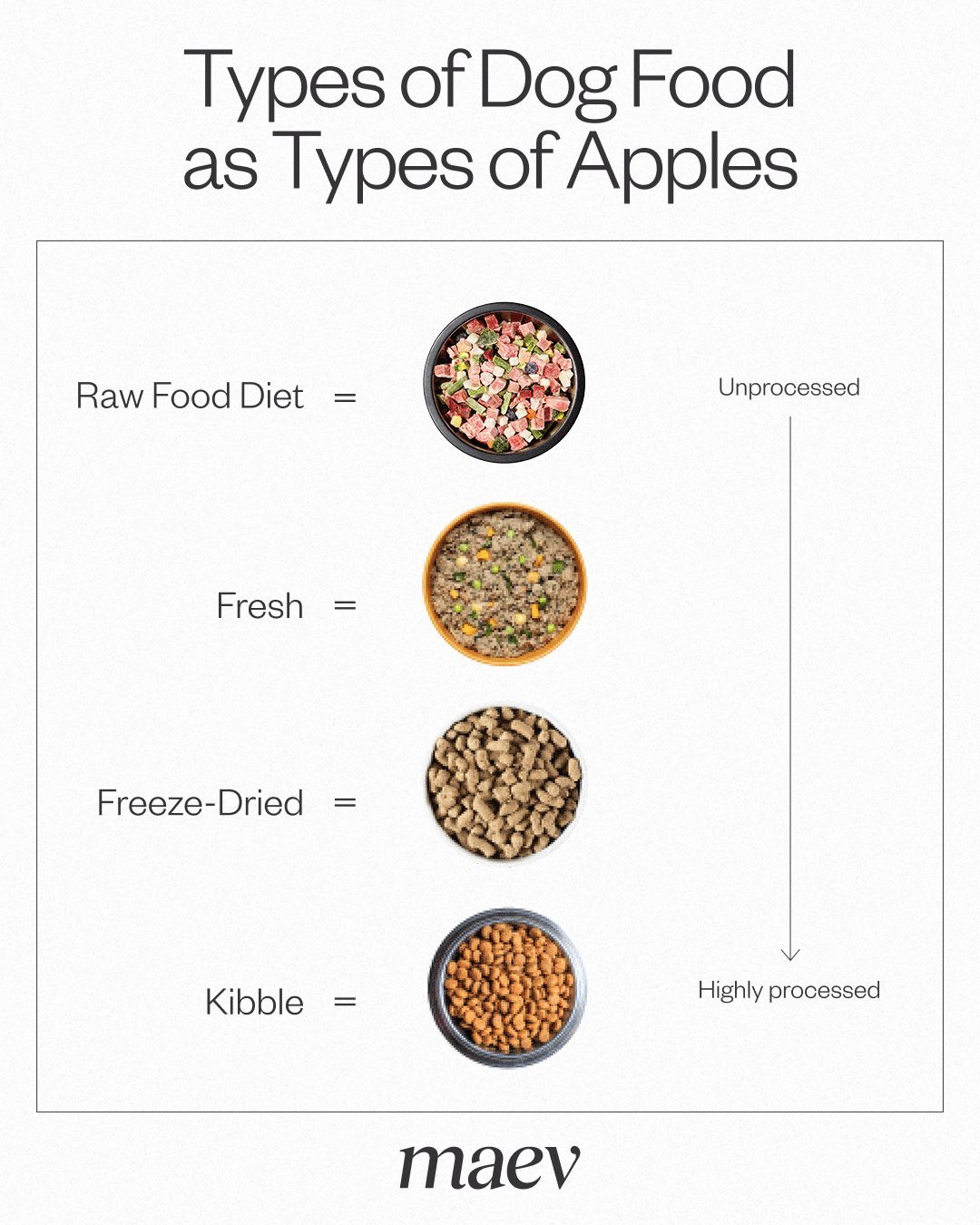
- Consult your veterinarian before starting a homemade or raw diet, as these require precise supplementation to prevent dangerous nutrient deficiencies.
- Transition your dog to a new food slowly over seven to ten days by mixing increasing amounts of the new kibble with the old to avoid digestive upset.
- Store dry food in its original bag inside a sealed, airtight container to maintain freshness and prevent fat oxidation or mold growth. Tip: If you notice your dog’s skin becoming dry or their stool quality decreasing, revert to the previous food immediately and monitor them for signs of an allergy.
- Check nutritional requirements for pets to ensure your chosen brand follows established standards for essential vitamins and minerals.
Feeding schedules and adjustments
Providing the correct amount of energy is just as important as the food itself. Use this table as a starting point, but remember that individual metabolism and body condition scores should dictate the final portion size.
| Situation | Feeding frequency | Caloric adjustment | Watch for |
|---|---|---|---|
| Active puppy | 3–4 times daily | Higher calorie density | Rapid, uneven growth |
| Adult dog | 1–2 times daily | Maintenance levels | Unwanted weight gain |
| Senior dog | 1–2 times daily | Lower calorie density | Reduced muscle mass |
| Working breed | 2–3 times daily | High-fat, high-protein | Joint inflammation |
If your dog leaves food in the bowl consistently after 20 minutes, reduce the portion size by ten percent for the next meal.
Recognizing nutritional success
You can tell a diet is working by observing your dog’s physical condition and energy levels over a four-week period. A healthy diet results in a shiny coat, firm stools, and a consistent weight that allows you to feel, but not see, their ribs. If your dog has dull fur, chronic gas, or a sudden change in weight, the current diet may not be providing the right balance of nutrients. The ultimate test is a body condition score check performed by your veterinarian, which provides an objective measurement of whether the current calorie intake matches your dog’s daily energy needs.
Common dietary errors
- Overfeeding by sight: Many owners rely on the “eyeball” method for portions, which often leads to obesity. Always use a standard measuring cup or a digital scale to ensure you’re feeding the exact recommended grams for your dog’s target weight.
- Frequent treat rotation: Adding too many human table scraps or high-calorie treats dilutes the nutritional balance of the main diet. Limit treats to ten percent of your dog’s total daily caloric intake to ensure they receive their core nutrients from their primary meal.
- Ignoring life-stage labels: Feeding a puppy an adult formula can lead to developmental bone issues due to incorrect calcium-to-phosphorus ratios. Always match the bag’s life-stage designation specifically to your dog’s current age.
Frequently asked questions
Can I feed my dog human food?
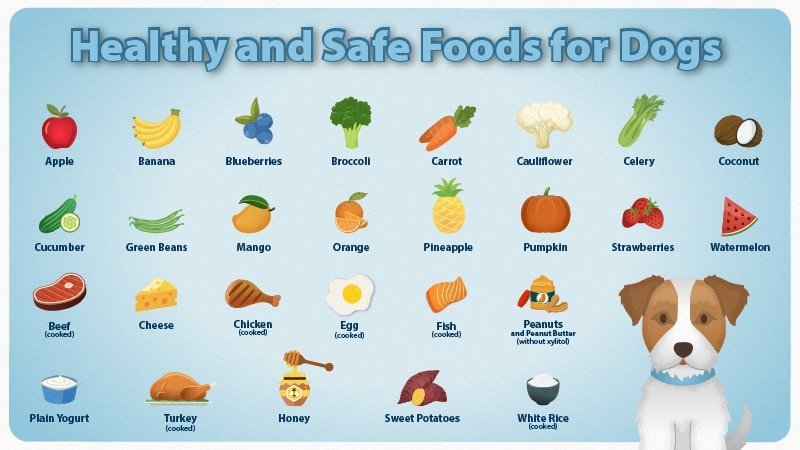
Yes, you can feed certain human foods like plain cooked chicken or green beans, but these should only be occasional treats. Human food often contains too much salt, fat, or seasonings that are toxic to dogs, such as onions or garlic, which can cause severe health issues.
How much should I feed my dog?
You should feed your dog based on the caloric density of the food and their daily energy needs, typically found on the manufacturer’s feeding chart. If your dog is spayed or neutered, they often require ten percent fewer calories than an intact dog to maintain a healthy weight.
Is grain-free food better for dogs?
No, grain-free diets aren’t inherently better and have been linked to heart health concerns in some breeds. Unless your veterinarian has diagnosed a specific grain allergy, keeping healthy whole grains like brown rice or oats in the diet provides essential fiber and energy for your dog.
How long does a bag of dog food last?
A bag of dry dog food generally stays fresh for four to six weeks if kept in a cool, dry place. Once the bag is opened, the fats begin to oxidize, so buy only the amount you can realistically feed your dog within that one-month window.
What is the best way to store dog food?
The best way to store dog food is to keep it inside its original foil-lined bag within an airtight plastic container. This double-layer method protects the kibble from humidity and pests while retaining the natural oils that keep the food palatable and healthy for your dog.
Why is my dog refusing to eat?
If your dog refuses to eat, it could be a sign of a dental issue, an upset stomach, or a medical condition requiring professional attention. If your dog skips more than two consecutive meals or shows signs of lethargy, contact your veterinarian immediately for a physical examination.
Diet dog, in short
Maintaining your dog’s health requires consistent monitoring and a commitment to high-quality nutrition. Adjust your approach based on your dog’s changing needs as they age, and always consult your veterinarian if you notice any sudden changes in their appetite or physical condition.
Related guides