
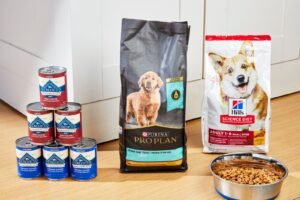
The best dog food for medium dogs is an adult formula that meets basic nutritional standards and lists real animal protein first. The right pick depends on your dog’s weight remaining between 20 and 60 pounds.
Best food for medium dogs
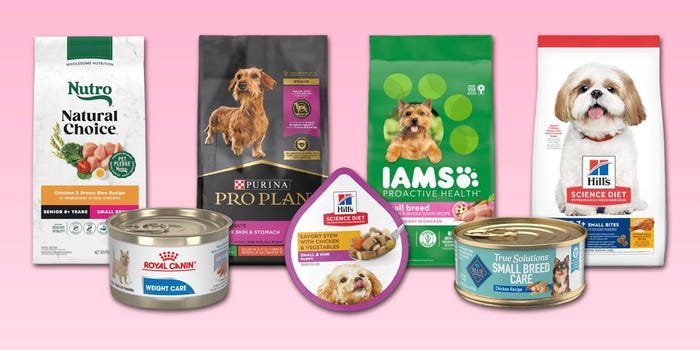
Picking the right bag takes only a few clear checks.
- Look for 20% to 26% crude protein from chicken, beef, or salmon for a standard adult dog weighing 30 to 50 pounds.
- Pick an adult maintenance formula with 12% to 16% fat to prevent unwanted weight gain.
- Ensure the package shows an adequacy statement from the Association of American Feed Control Officials (AAFCO).
- Choose kibble pieces around 10 to 14 millimeters wide so your dog chews instead of gulping the food whole.
- Feed between 1.5 and 2.75 standard measuring cups daily, divided into two meals, based on your dog’s exact scale weight.
Why medium breeds need specific nutrients
Medium dogs range from 20 to 60 pounds. They have different physical needs than lap dogs or giant breeds. A smaller dog burns calories quickly, while a huge dog needs strict calcium limits to protect weak joints. Medium dogs need a middle ground that balances steady energy with lean muscle protection.
The main danger for mid-sized breeds is obesity. Breeds like Cocker Spaniels, Bulldogs, and Beagles pack on weight fast if they eat food meant for working or toy breeds. Excess fat strains their hip joints and backs.
You can review nutrient levels on the FDA pet food guidelines page to confirm what balanced labels must carry. Standard maintenance food keeps their heart and liver running well without adding empty calories. High-meat diets look nice on the bag, but too much fat causes loose stools and weight problems in dogs that only walk around the block regularly.
Choosing food for special health needs
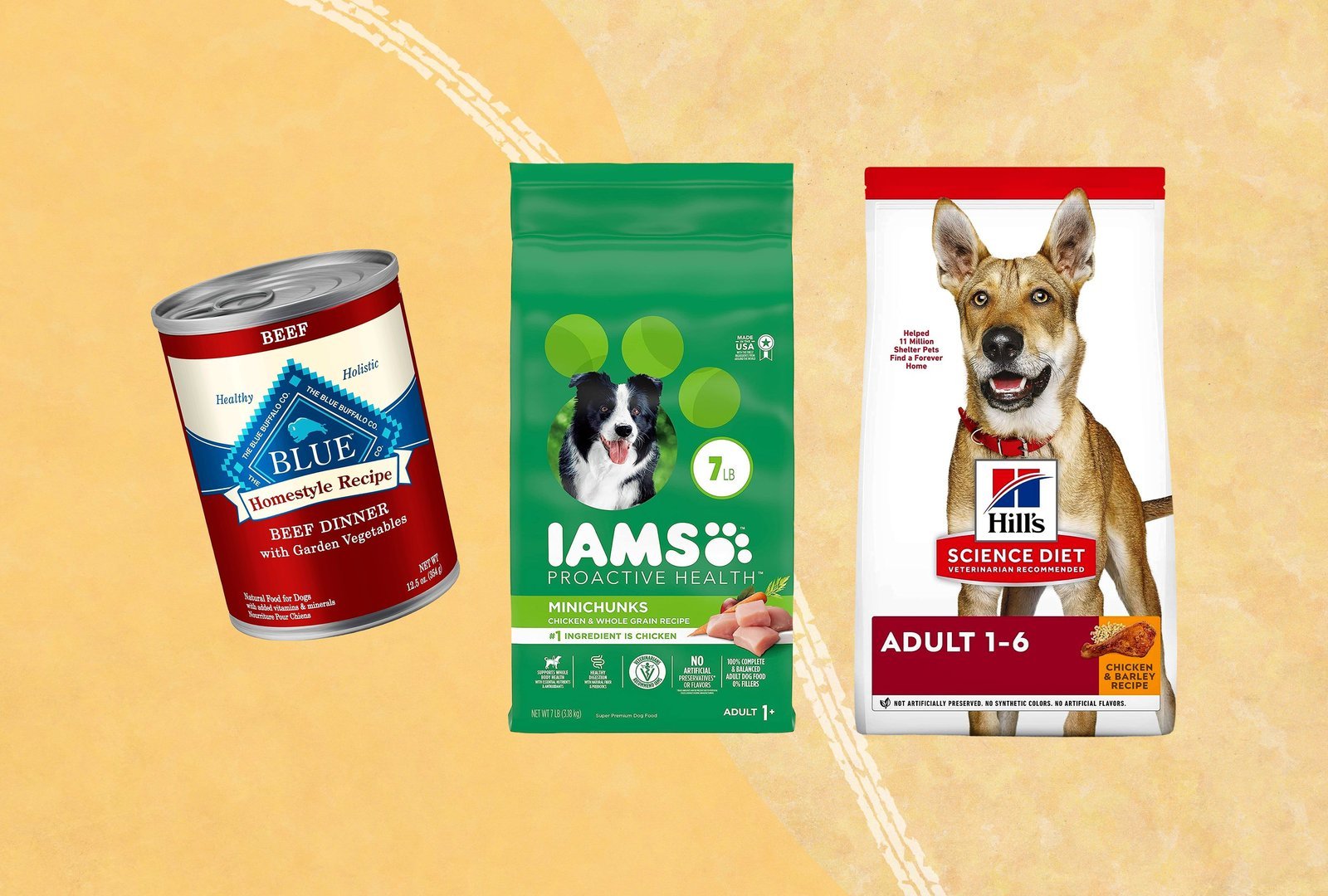
Every dog burns calories differently based on age and activity. Here is how your buying choice changes:
| Situation | What changes | What to do instead |
|---|---|---|
| Couch potato dog | Burns fewer calories | Choose a formula with 10% to 12% fat |
| Working farm dog | Burns energy all day | Buy high-protein food with 18% to 20% fat |
| Dog turning 7 years old | Metabolism drops fast | Switch to a senior recipe with higher fiber |
| Chronic soft stool | Sensitive digestive tract | Buy single-protein food with brown rice or oatmeal |
| Spayed or neutered adult | Lower hormonal burn rate | Reduce daily portion size by roughly 10% |
| Itchy skin or ears | Potential protein allergy | Try salmon, lamb, or veterinary-guided diets |
How to switch your dog’s food
Changing a dog’s diet too fast triggers stomach pain, gas, and diarrhea. Use this seven-day schedule with standard 8-ounce measuring cups to adjust their digestive tract safely.
- Check your dog’s current weight on a veterinarian scale to get their true baseline in pounds.
- Read the bag chart to find the total daily cup amount for that target weight.
- Mix 75% old food with 25% new food for days 1 and 2, divided into morning and night bowls.
- Watch the dog’s stool firmness; if stools become soft, hold this ratio for an extra two days.
- Mix 50% old food with 50% new food on days 3 and 4 to minimize gastrointestinal upset.
- Serve 25% old food and 75% new food on days 5 and 6, checking for any skin itching.
- Fill the bowl with 100% new food on day 7, confirming their stool stays firm and formed.
Mistakes that ruin your dog’s diet
Small feeding errors cause real health problems over time. These common mistakes often lead to vet visits:
- Using a standard coffee mug instead of an 8-ounce measuring cup, which can overfeed your dog by 30% and cause rapid weight gain.
- Leaving the dry food out all day in an open bowl, which lets fats turn rancid and ruins the dog’s appetite control.
- Switching flavors overnight without a transition period, which often leads to severe watery diarrhea on your carpet.
- Tossing unmeasured fatty table scraps into the bowl, which can trigger a painful bout of pancreatitis that requires hospitalization.
Frequently asked questions
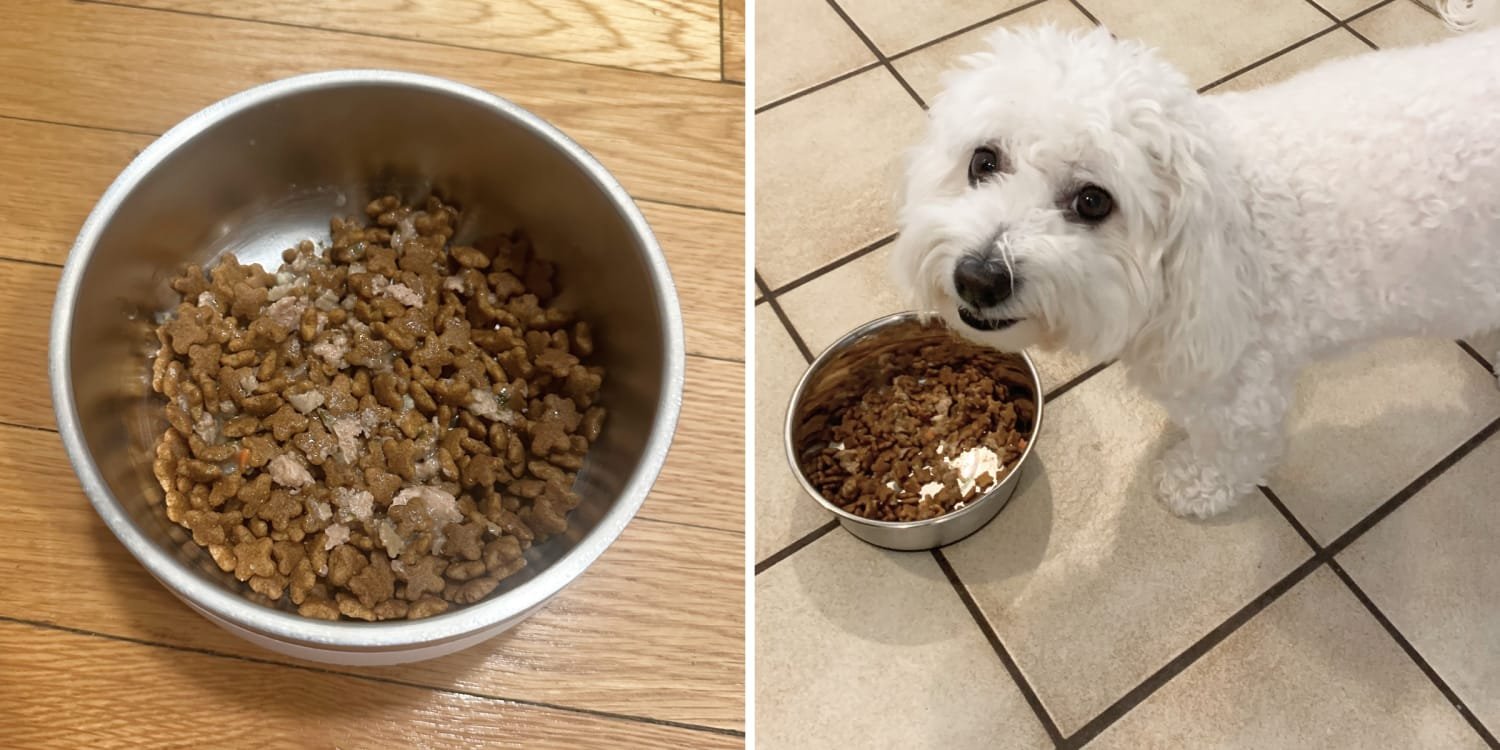
Can medium dogs eat regular all-life-stages food?
Yes. All-life-stages food is safe for medium adults, but it often has more calories than standard adult food. If your dog doesn’t run for hours every day, weigh them whenever you notice weight changes to stop gain early.
How much dry kibble should a 40-pound dog eat daily?
About 2 cups of standard dry food per day, split into two separate meals. Always check the calories on your specific bag because kibble density changes between brands, and adjust down if your dog lounges all day.
Is grain-free food better for medium breeds?
No. Grains like brown rice and oats give dogs steady energy and fiber unless your vet finds a rare grain allergy. Most food allergies in dogs actually come from proteins like chicken or beef, not grains.
How often should an adult medium dog eat?
Feed your dog as part of your usual clean routine, about 10 to 12 hours apart. Feeding twice daily can help manage hunger and portion control.
Does kibble size matter for medium dogs?
Yes. Medium dogs need kibble around 12 millimeters across. If the pieces are tiny like cat food, your dog might inhale them without chewing, which causes choking or makes them swallow too much air while eating.
What happens if I feed medium dogs large breed food?
The dog gets the right nutrients, but the giant kibble pieces are harder to chew. Large breed food also has slightly fewer calories per cup, so your medium dog might lose weight unless you increase their daily serving size.
Dog food, in short
Keep in mind that feeding charts printed on pet food bags are broad starting points rather than absolute rules. If your dog gains soft fat around their ribs, reduce the daily scoop slightly, but if their hip bones poke out, add a quarter-cup more. Your veterinarian remains the best partner for checking your pet’s body condition score during annual health exams.
Related guides