
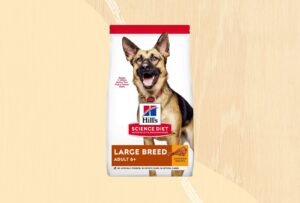
The best and safest dog food to buy is a formula that meets the AAFCO nutrient profiles for your dog’s specific life stage and is produced by a company with rigorous quality control and veterinary nutritionist oversight.
Essential checks for dog food quality
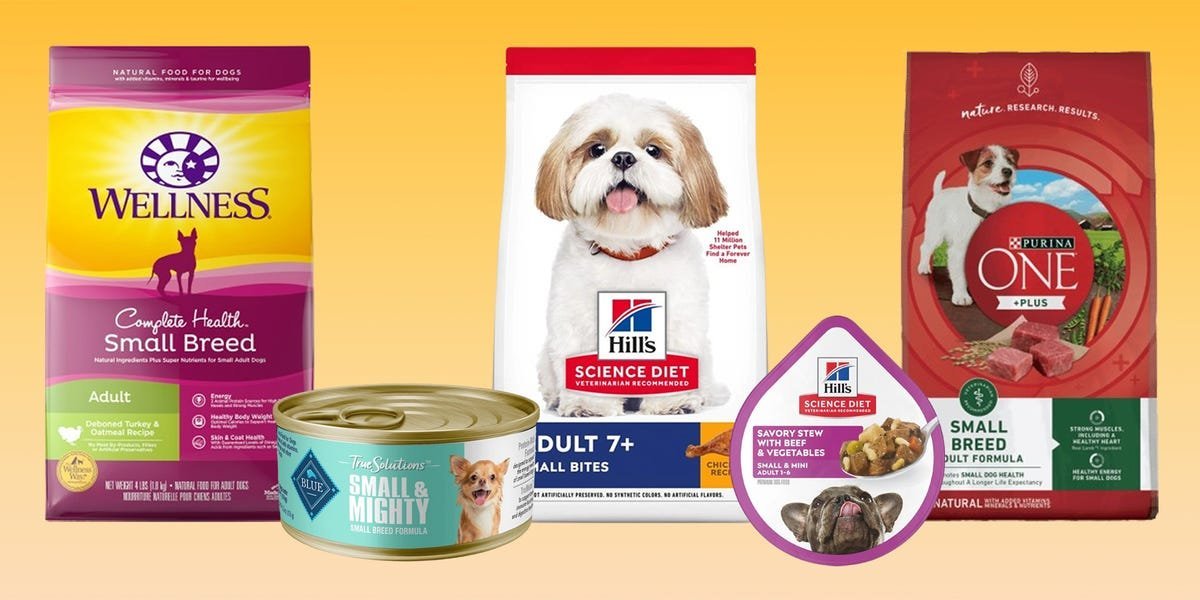
- Verify that the package displays an AAFCO statement confirming the food is complete and balanced for your dog’s life stage.
- Prioritize brands that employ board-certified veterinary nutritionists to formulate their recipes and manage their production facilities.
- Look for companies that conduct rigorous testing on ingredients and finished products to ensure nutritional consistency and safety.
- Avoid foods that lack a clear contact number or website for the manufacturer, as transparency is a key indicator of reliability.
- Consult your veterinarian before choosing a specialized diet, as they can recommend options based on your specific dog’s health history.
- Monitor your dog for changes in coat quality, energy levels, or digestion after starting any new food to ensure it suits them.
Why ingredient lists can be misleading
The ingredient list is only one part of the picture when evaluating pet nutrition. Many owners focus on the first ingredient, but a quality diet relies on the overall nutritional balance rather than just the marketing of a single protein source. The FDA’s guidance on pet food labeling explains that while labels must list ingredients by weight, moisture content can distort how those ingredients compare. For example, fresh meat contains a high percentage of water, which makes it appear heavier than dried meat meal, even though the meal provides more concentrated protein.
Reliable manufacturers prioritize the bioavailability of nutrients, ensuring that your dog can actually absorb what is in the bowl. If a company doesn’t have a veterinary nutritionist on staff or can’t provide details about their quality control processes, it’s difficult to confirm the safety and nutritional integrity of their products. Always check the company website or call their customer service line to ask about their specific safety protocols and testing.
When your dog needs a different diet
| Situation | What changes | What to do instead |
|---|---|---|
| Puppy stage | Higher protein/calcium | Choose growth-specific formulas |
| Senior years | Lower calorie density | Select senior-labeled diets |
| Food allergies | Specific protein source | Use limited-ingredient diets |
| Sensitive stomach | Higher digestibility | Choose low-fat, high-fiber |
| Obesity | Calorie restriction | Feed weight-management recipes |
How to select and serve food safely
- Check the bag for a current AAFCO statement to ensure the food meets the basic nutritional requirements for your pet’s age.
- Purchase small amounts of any new food first to see if your dog tolerates the ingredients well before buying larger bulk bags.
- Transition your dog to the new food over seven days by mixing increasing amounts of new food with the old, decreasing the old.
- Store all dry kibble in its original bag inside a clean, airtight plastic or metal container to keep out pests and maintain freshness.
- Wash your dog’s food and water bowls daily with hot, soapy water to prevent the growth of harmful bacteria like Salmonella or Listeria.
- Monitor your dog’s weight monthly by feeling their ribs; you should feel them easily without needing to press hard through fat.
Mistakes that ruin your dog’s diet
- Switching food brands too rapidly can cause severe stomach upset, so always use a gradual transition period.
- Adding too many human food scraps creates nutritional imbalances that can lead to obesity or nutrient deficiencies.
- Storing kibble in a damp garage increases the risk of mold growth, which can be toxic to your dog.
- Buying food that isn’t appropriate for your dog’s life stage, such as adult food for a puppy, leads to developmental issues.
Frequently asked questions
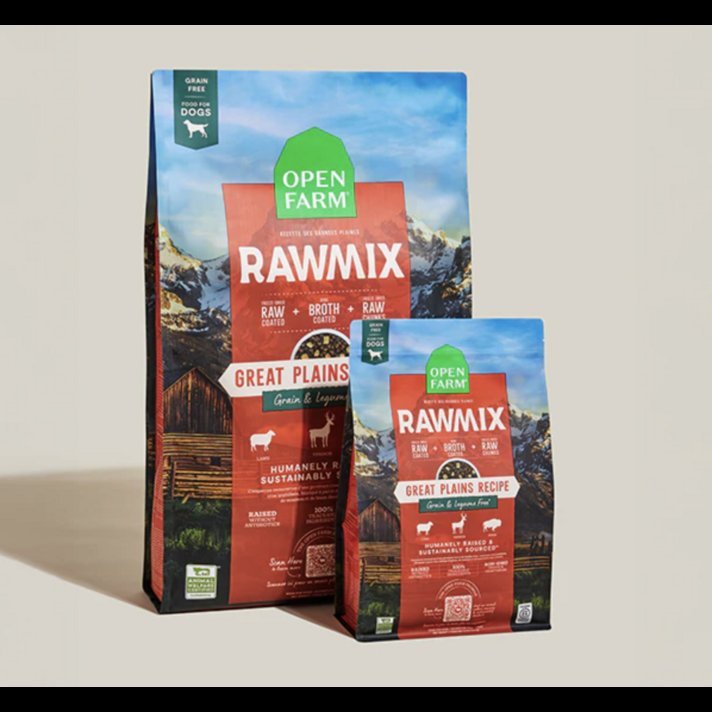
Is grain-free food better for dogs?
No, grain-free food isn’t inherently better for dogs and is only necessary for those with a diagnosed grain allergy. Most dogs digest grains easily, and they provide essential fiber and nutrients that support overall digestive health and energy levels.
How much should I feed my dog daily?
You should follow the feeding guidelines on the package as a starting point, then adjust based on your dog’s activity level. If your dog starts to gain unwanted weight, reduce the portion by ten percent and monitor them for two weeks.
Can I mix wet and dry dog food?
Yes, you can mix wet and dry food to improve palatability or hydration, provided you account for the total calories. Calculate the caloric content of both foods to ensure your dog doesn’t exceed their daily recommended intake for their weight.
What are the signs of a food recall?
You can check the official manufacturer website or the FDA website regularly to see if your food brand has issued any recall notices. You can check the official manufacturer website or the FDA website regularly to see if your food brand has issued any notices.
Does the price of food reflect its quality?
Not always, as high prices often reflect marketing budgets rather than superior ingredients or testing. Look for the presence of a veterinary nutritionist and transparent quality control standards instead of using the price tag as the primary measure of quality.
How long does dry food stay fresh?
Dry food typically stays fresh for about four to six weeks after the bag is opened if stored in a cool, dry place. Keep the bag sealed tight or use an airtight container to prevent the fats in the food from going rancid.
Is raw food safer for dogs?
No, raw food carries a significantly higher risk of bacterial contamination, such as E. coli or Salmonella, which can affect both pets and humans. Most veterinarians recommend commercial, cooked diets to ensure the food is free from dangerous pathogens that can cause illness.
Safest dog, in short
Choosing the right food is a long-term commitment to your dog’s health. By focusing on scientific standards and professional formulation rather than marketing trends, you provide the best possible foundation for their well-being. Always keep your veterinarian involved in these decisions, as they understand your dog’s unique health needs and can help you navigate the many options available.