
The best food you can feed your dog is a nutritionally complete diet formulated to meet the life stage and size of your pet. To identify the best food you can feed your dog, check for an AAFCO adequacy statement.
Choosing the best food to feed your dog
- Look for a statement on the label confirming the food meets AAFCO nutrient profiles for your dog’s specific life stage.
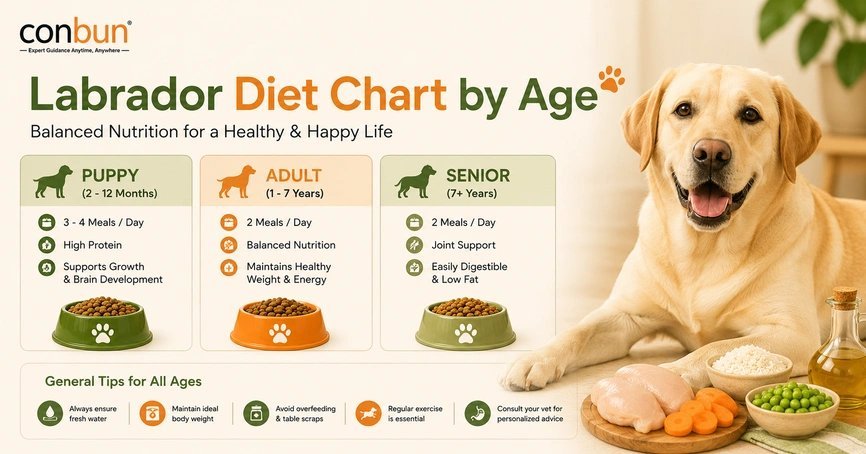
- Puppies require higher levels of protein and calcium for growth compared to adult maintenance diets.
- Senior dogs often need fewer calories to prevent obesity, as their activity levels naturally decline with age.
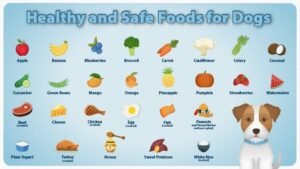
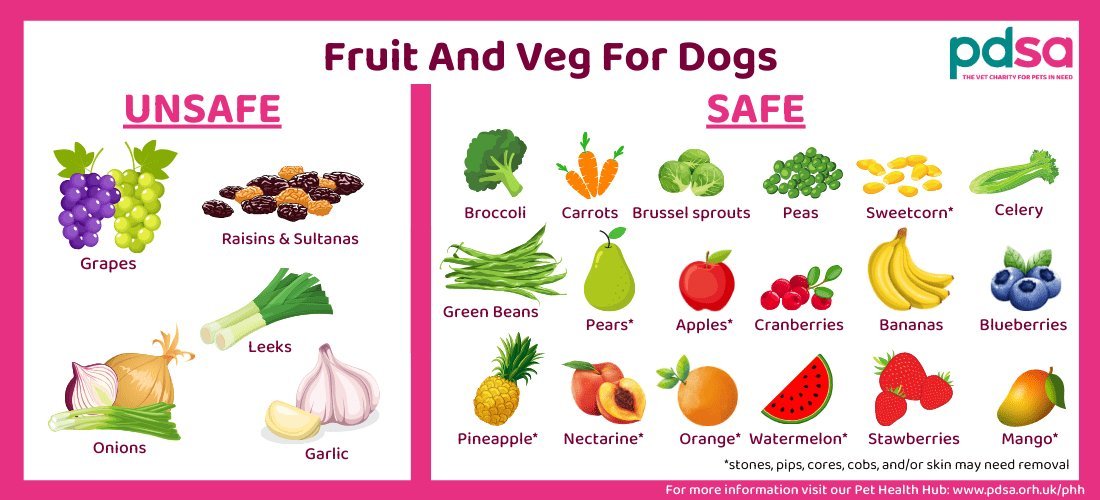
- Avoid feeding human foods like onions, garlic, grapes, or chocolate, as these are toxic to canine systems.
- Fresh, clean water must be available at all times to support digestion and kidney function.
- Consult your veterinarian if your dog has specific health conditions, such as allergies or kidney disease, before changing their diet.
Why nutrition labels matter
The primary mechanism for ensuring canine health is the nutritional adequacy statement found on most commercial pet food packages intended as a complete diet. This text confirms whether the product has been formulated to meet standards set by the Association of American Feed Control Officials. Understanding this is critical because a dog’s digestive system is designed to process specific ratios of macronutrients. If the label lacks an adequacy statement, the food may not provide the necessary vitamins, minerals, and amino acids for long-term health. Never rely on marketing claims like “natural” or “premium,” as these terms lack a strict legal definition. Instead, prioritize the AAFCO statement to ensure your pet receives a balanced intake of the nutrients required for their specific body mass and age.
When dietary needs change
| Situation | What changes | What to do instead |
|---|---|---|
| Puppyhood | Higher calorie needs | Feed growth-specific formulas |
| Weight gain | Caloric density | Reduce portions or switch food |
| Food allergies | Protein source | Use hydrolyzed protein diets |
| Pregnancy | Nutrient demand | Feed high-energy puppy food |
| Kidney issues | Phosphorus levels | Use veterinary-prescribed renal diets |
Feeding your dog properly
- Read the back of the bag to determine the daily portion based on your dog’s current weight and activity level.
- Use a standard measuring cup to portion out the food rather than eyeballing the amount, as overfeeding is a common cause of obesity.
- Divide the total daily amount into two equal meals to help maintain steady energy levels and support proper digestion throughout the day.
- Monitor your dog’s body condition score by feeling their ribs; you should feel them easily without needing to press hard through fat.
- Transition to a new food over seven days by mixing increasing amounts of the new brand with the old to prevent stomach upset.
- Store dry kibble in a cool, dry place inside its original bag to maintain freshness and prevent the fats from going rancid over time.
Mistakes that ruin health
- Feeding from the table teaches begging behaviors and often leads to an imbalanced intake of fats and sodium.
- Rapidly switching food brands without a transition period frequently causes vomiting or diarrhea in sensitive dogs.
- Allowing free-feeding for sedentary dogs leads to rapid weight gain, which puts unnecessary stress on their joints and heart.
- Ignoring expiration dates means the vitamins in the food may have degraded, leaving the diet nutritionally incomplete.
Frequently asked questions

Can I feed my dog raw meat?
Feeding raw meat carries significant risks of bacterial contamination, such as Salmonella and Listeria, which can affect both the pet and the household members. Most veterinarians recommend cooked, commercially prepared diets that meet strict safety standards to avoid these dangerous pathogens.
How often should I feed my dog?
Most adult dogs should be fed twice daily to keep their blood sugar stable and manage hunger. Puppies under six months of age usually require three to four small meals per day because they have higher metabolic demands and smaller stomachs.
Is grain-free food better for dogs?
There’s no scientific evidence that grain-free food is superior for the average dog unless they have a diagnosed allergy to specific grains. Many dogs thrive on high-quality diets that include grains, which provide essential fiber and energy for daily activity.
How much water does my dog need?
A healthy dog’s water intake varies significantly based on diet, activity level, and environment; consult your veterinarian for your dog’s specific needs. This amount varies, as active dogs in hot weather will require significantly more water to stay hydrated and maintain their internal body temperature.
What happens if I overfeed my dog?
Overfeeding leads to obesity, which is a major health issue that shortens a dog’s lifespan and increases the risk of diabetes and arthritis. You should adjust portion sizes immediately if you notice your dog is gaining weight or losing their waistline.
How long does a bag of food last?
A bag of food usually stays fresh for four to six weeks after opening if it’s stored in a cool, dry location. Always check the “best by” date on the packaging, as fat oxidation can make the food unpalatable or unsafe.
Food feed, in short
Choosing the right diet is the most significant decision you make for your dog’s long-term wellness. By focusing on life-stage appropriateness and verified nutritional standards, you ensure they receive exactly what their body needs to thrive. Consistent feeding habits and regular veterinary check-ups will help you spot any issues early, keeping your dog happy and healthy for years to come.
Related guides