
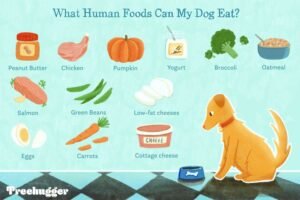
The most balanced nutritional choice for your pet is a high-quality commercial diet labeled as “complete and balanced” for their specific life stage, as this ensures they receive all necessary vitamins and minerals.
Best things to feed your dogs
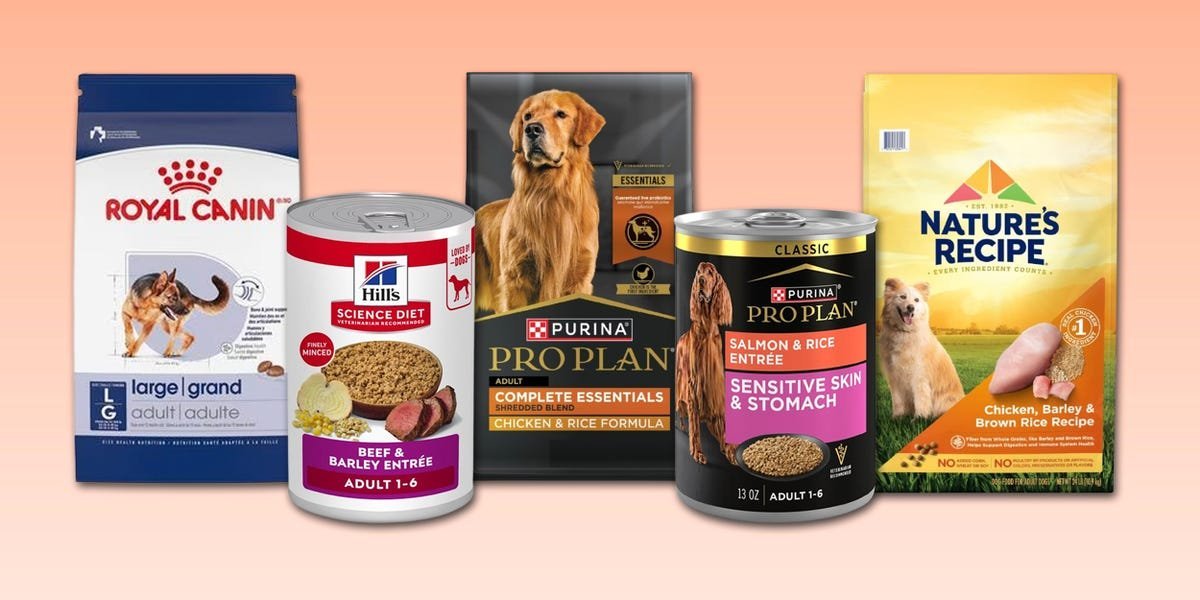
- Choose food that meets the Association of American Feed Control Officials (AAFCO) nutrient profiles for your dog’s specific age.
- Check the label for a clear statement confirming the food is complete and balanced for growth, maintenance, or all life stages.
- Measure portions using a standard measuring cup rather than estimating to prevent obesity, which is a major health risk for many pets.
- Provide constant access to clean, fresh water, as hydration is critical for kidney function and digestion regardless of the food type.
- Transition to a new diet slowly over seven days by mixing increasing amounts of the new food with the current one to avoid digestive upset.
- Store dry kibble in its original bag inside an airtight container to keep it fresh and prevent oxidation of essential fats.
Why balanced nutrition matters for health
Dogs require a precise ratio of proteins, fats, carbohydrates, vitamins, and minerals to maintain biological functions. A complete and balanced diet is formulated to provide these nutrients in the correct proportions, preventing deficiencies that lead to long-term health issues.
If you choose to prepare homemade meals, you risk creating dangerous imbalances unless you work with a board-certified veterinary nutritionist. Most home-cooked diets lack sufficient calcium or trace minerals, which can cause bone density issues or organ stress over time. This is why commercial options are the safest default for most owners; they remove the guesswork involved in calculating complex nutritional requirements for different breeds and activity levels.
Adjusting diet based on circumstances
Photo: www.nbcnews.com on Google
| Situation | What changes | What to do instead |
|---|---|---|
| Puppy | Higher calorie needs | Use “Growth” formula food |
| Senior | Slower metabolism | Use “Senior” or low-calorie food |
| High activity | Energy requirements | Increase portion size slightly |
| Sensitive skin | Ingredient sensitivity | Consult vet for limited ingredient |
| Overweight | Calorie intake | Reduce portions by ten percent |
Proper feeding and portion control
- Check the feeding guide on the bag to determine the starting daily amount based on your dog’s current weight.
- Divide the total daily portion into two equal meals to help manage blood sugar levels and improve digestion throughout the day.
- Use a digital kitchen scale to measure food by weight if your dog is prone to weight gain, as cups vary.
- Observe your dog’s body condition score; you should be able to feel their ribs easily without seeing them protruding through the skin.
- If your dog leaves food in the bowl, reduce the next meal by the amount left over to avoid overfeeding and waste.
- Remove any uneaten wet food after thirty minutes to prevent bacterial growth, which can cause foodborne illness in your pet.
Mistakes that ruin pet health
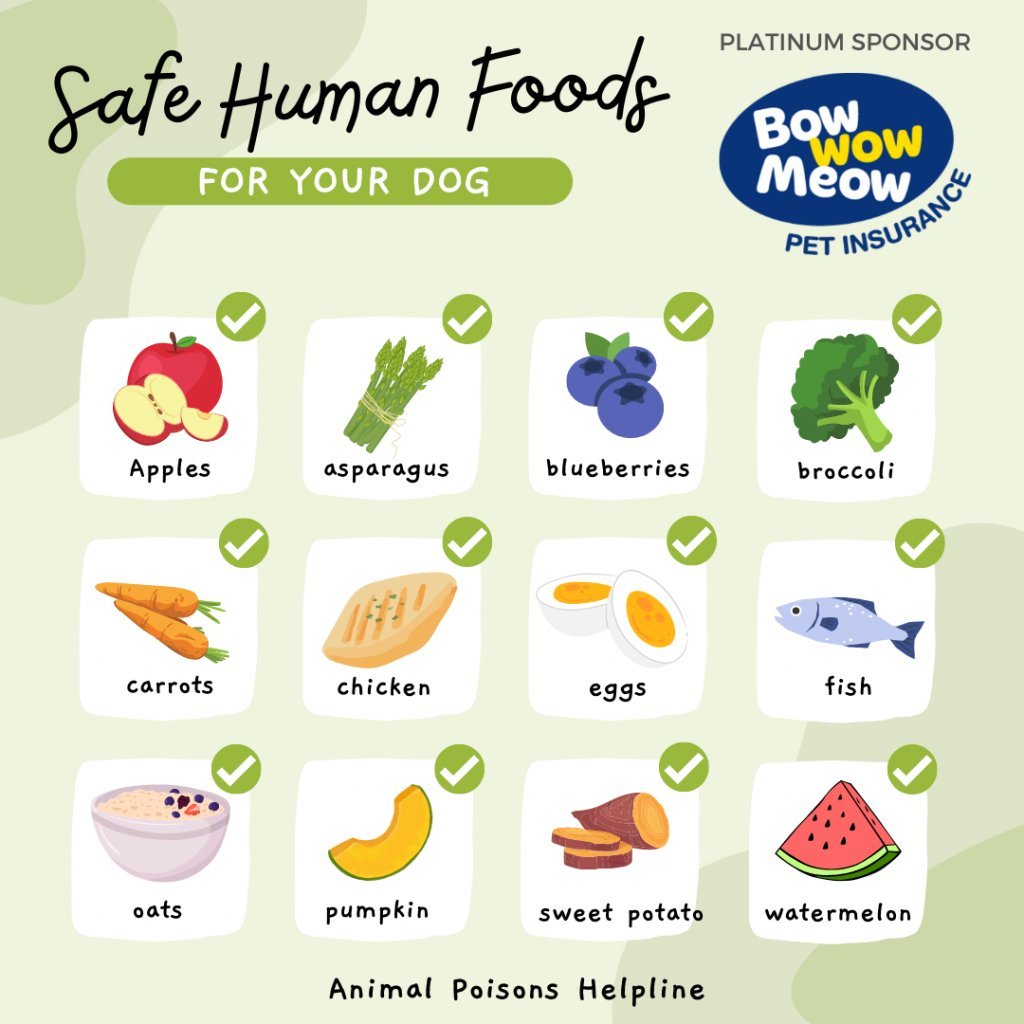
- Feeding human table scraps often leads to obesity and pancreatitis because these foods are usually too high in fat and salt.
- Changing food brands suddenly causes gastrointestinal distress, leading to vomiting or diarrhea that can last for several days.
- Allowing free-feeding (leaving a full bowl out all day) makes it impossible to track appetite changes, which is often the first sign of illness.
- Adding supplements without veterinary advice can cause toxic levels of vitamins, particularly fat-soluble ones like Vitamin A or D.
Is it safe to feed dogs raw meat?
No, it isn’t considered safe by most veterinarians due to the risk of bacterial contamination like Salmonella and E. coli. Raw diets also often lack the calcium-to-phosphorus ratio required for long-term health, which can lead to serious skeletal issues in growing dogs.
How much should I feed my dog daily?
You should feed your dog the amount recommended by the manufacturer on the packaging, then adjust based on their body condition. If your dog gains weight, consult your veterinarian to determine an appropriate caloric reduction and monitoring plan.
Does the brand of dog food matter?
Yes, it matters because reputable brands invest in quality control and nutritional research to ensure their food is safe. Look for companies that employ veterinary nutritionists and conduct feeding trials to confirm their products provide complete nutrition for your specific dog.
What happens if I feed my dog only meat?
Feeding only meat causes severe nutritional imbalances, specifically a dangerous lack of calcium and essential vitamins. Over time, this leads to weak bones, poor coat quality, and organ failure, so it’s never an appropriate long-term diet for any canine.
How long does a bag of dry food stay fresh?
A bag of dry food typically stays fresh for four to six weeks after opening if stored in a cool, dry place. Always check the “best by” date on the packaging and keep the bag sealed tightly to prevent the fats from going rancid.
Can I mix wet and dry food?
Yes, you can mix wet and dry food to improve palatability for picky eaters or to increase water intake. Simply calculate the total calories from both sources to ensure you aren’t overfeeding, and consult your vet if your dog has a sensitive stomach.
Maintaining a consistent feeding schedule and monitoring your dog’s weight are the most effective ways to ensure they stay healthy for years. If you notice any sudden changes in appetite or physical condition, contact your veterinarian immediately to rule out underlying health concerns.