
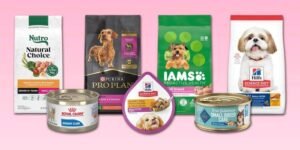
The best dog food to feed a dog is a product that meets the nutritional standards set by the Association of American Feed Control Officials (AAFCO). You must check the label for a statement confirming the food is complete and balanced for your pet’s life stage.
What is the best dog food to feed a dog: Essential facts
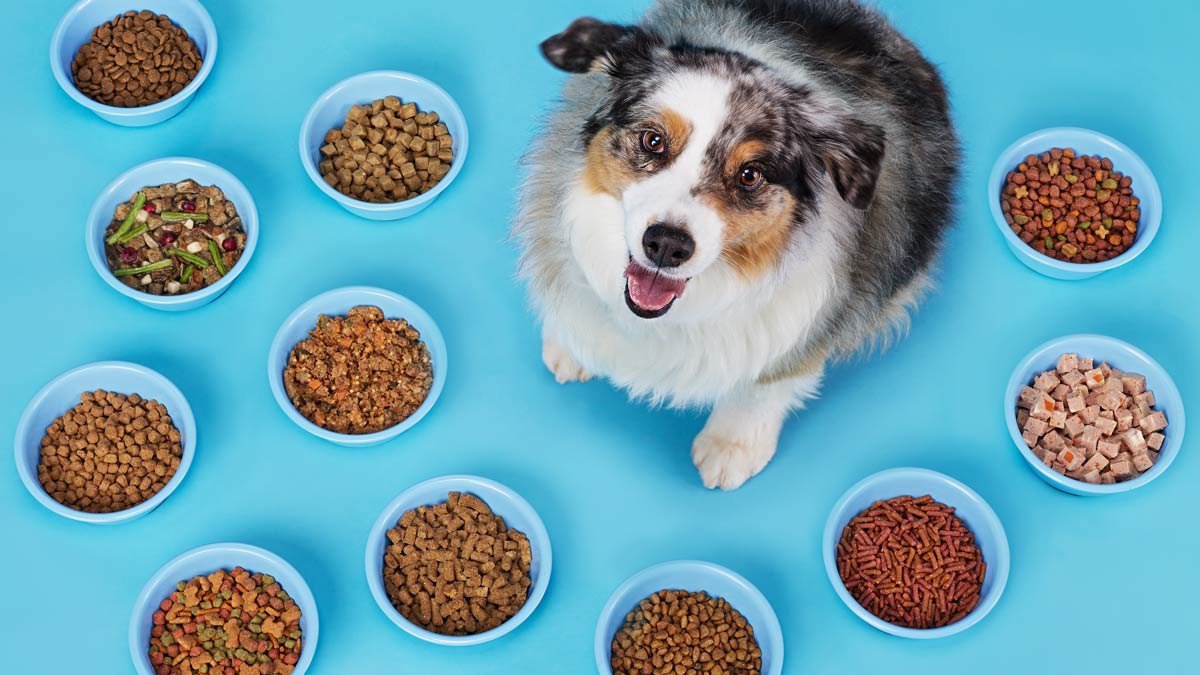
- Look for a statement on the packaging that says the food meets AAFCO nutrient profiles for your dog’s specific life stage.
- Puppies need higher protein and fat levels than adult dogs to support rapid growth and development.
- Senior dogs often require fewer calories to prevent weight gain as their activity levels naturally decrease with age.
- Always transition your dog to a new food slowly over 7 to 10 days by mixing increasing amounts of the new food with the old.
- Store dry kibble in a cool, dry place in its original bag to maintain freshness and prevent fat oxidation.
- Fresh, clean water must be available to your dog at all times, regardless of whether they eat dry or wet food.
Why nutritional adequacy statements matter
The primary reason you should focus on the AAFCO statement is that it indicates the manufacturer claims the product meets nutritional profiles established by AAFCO. Manufacturers that follow these guidelines intend for their recipes to contain the balance of proteins, fats, vitamins, and minerals required for long-term health. When you choose a bag without this label, you risk providing a diet that lacks essential nutrients, which can lead to deficiencies over time.
The Association of American Feed Control Officials provides the specific benchmarks that pet food companies must hit to claim their product is “complete and balanced.” If you’re ever unsure about a brand, flip the bag over and look for the nutritional adequacy statement printed in small text. If it’s missing, the food is likely intended for intermittent or supplemental feeding only, rather than as a primary daily diet. This simple check protects your pet from missing the vital building blocks they need to thrive.
Choosing food by life stage
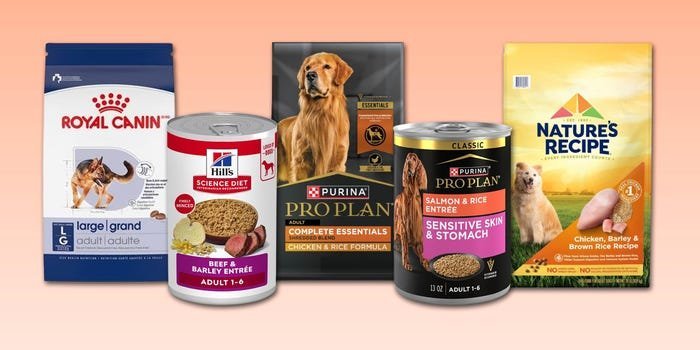
| Situation | What changes | What to do instead |
|---|---|---|
| Puppy | Higher caloric density | Select growth-specific formulas |
| Adult | Maintenance energy levels | Use standard adult recipes |
| Senior | Lower calorie count | Choose weight-management blends |
| Large Breed | Calcium-phosphorus ratio | Pick large-breed puppy specific |
| Active Working | Higher fat percentages | Use high-performance sport food |
How to properly feed your dog
- Measure your dog’s daily food amount using a standard kitchen measuring cup to ensure you follow the manufacturer’s suggested serving size.
- Divide the total daily amount into two equal meals to help your dog maintain stable energy levels throughout the entire day.
- Place the bowl in a quiet, low-traffic area where your dog feels safe and comfortable while they’re eating their meal.
- Monitor your dog’s body condition by feeling for their ribs; you should be able to feel them easily without heavy pressure.
- Wash the food bowl with warm, soapy water after every meal to prevent the buildup of bacteria that can cause illness.
Common mistakes that ruin nutrition
- Adding table scraps or human food to the bowl can create an unbalanced diet and contribute to dangerous obesity.
- Switching food brands too abruptly often leads to digestive upset, including vomiting or loose stools for several days.
- Buying too much food at once can lead to rancidity, especially if the bag is left open in a humid garage.
- Ignoring the serving guidelines on the package causes most dogs to overeat, which places unnecessary stress on their joints and organs.
Frequently asked questions
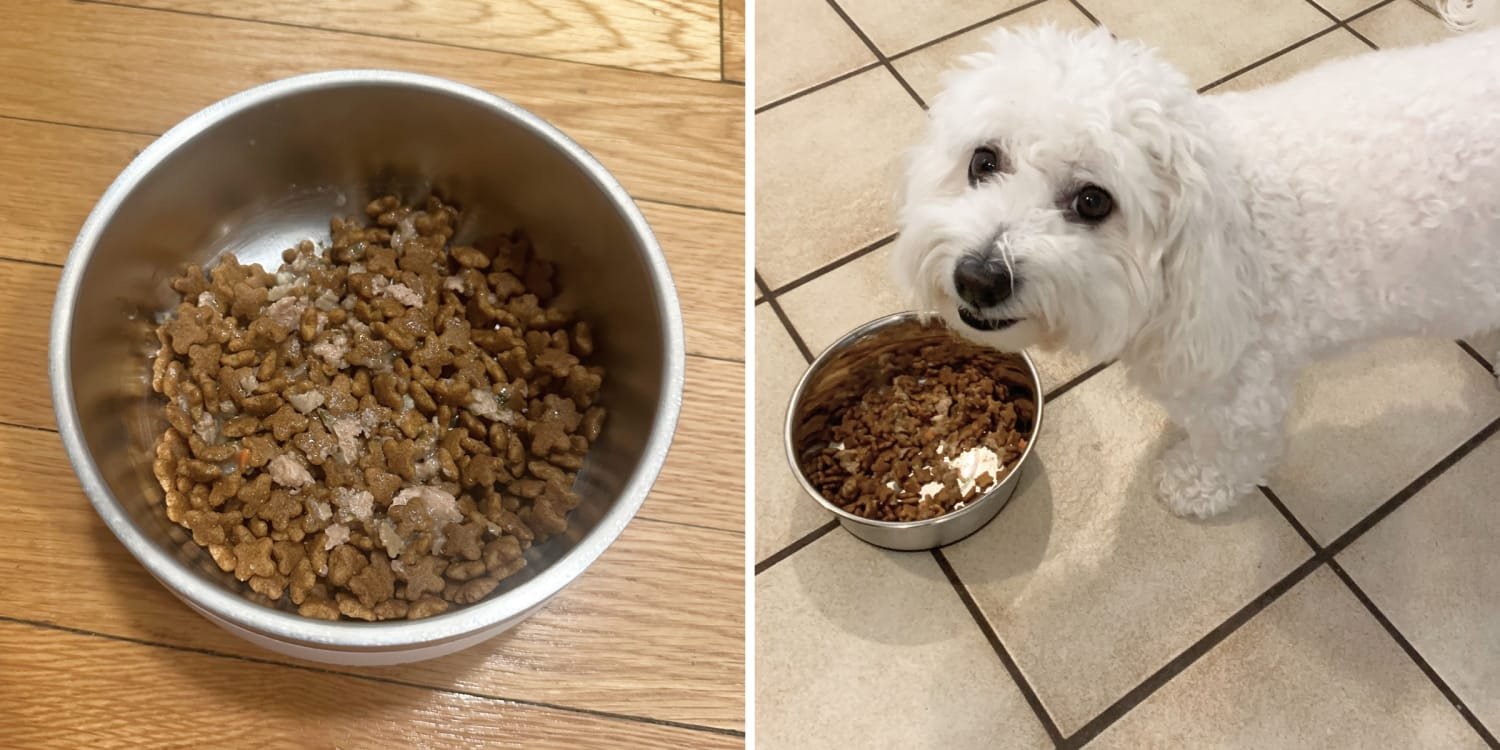
Is wet food better than dry kibble?
No, both wet and dry food can provide complete nutrition if they carry an AAFCO statement. Dry kibble is often more convenient and affordable, while wet food may be more palatable for picky eaters or dogs that need extra hydration.
How much should I feed my dog daily?
You should follow the feeding chart on the bag as a starting point, which typically suggests a total daily volume based on your dog’s weight. Adjust this amount based on your dog’s actual body condition and your veterinarian’s specific advice.
Is grain-free food healthier?
No, there’s no scientific evidence suggesting that grain-free diets are inherently healthier for the average dog. Unless your veterinarian has diagnosed a specific grain allergy, grains provide valuable fiber and energy that support a dog’s digestive system.
How often should I change my dog’s food?
You don’t need to change your dog’s food if they’re healthy and enjoy their current diet. A consistent diet is usually better for a dog’s digestion, so only switch if your vet recommends it or your dog’s life stage changes.
What should I do if my dog refuses to eat?
If your dog skips one meal, monitor them for other symptoms like lethargy or vomiting. If they refuse food for more than 24 hours, contact your veterinarian immediately, as this can be a sign of an underlying health problem.
Does the price of dog food indicate quality?
No, a higher price doesn’t always mean a higher quality product. Focus on the nutritional adequacy statement and the ingredient list rather than the brand name or the cost of the bag to ensure you’re getting value.
Can I feed my dog homemade food?
Yes, but you must work with a board-certified veterinary nutritionist to create a balanced recipe. Simply feeding meat and vegetables at home often leads to severe nutrient imbalances that can cause long-term health issues for your dog.
Dog food, in short
Providing a consistent, nutritionally complete diet is the best way to support your dog’s health and vitality for years to come. Always prioritize the labeled adequacy statements and monitor your dog’s weight to ensure they remain in peak physical condition throughout their life.
Related guides