
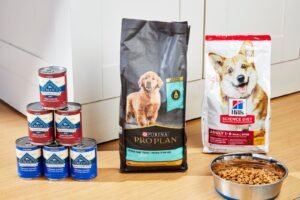
The best dog food to feed your dogs is a formula that meets the nutritional standards set by the Association of American Feed Control Officials (AAFCO). These recipes provide a complete and balanced diet for your pet’s specific life stage and size.
Best food to feed your dogs
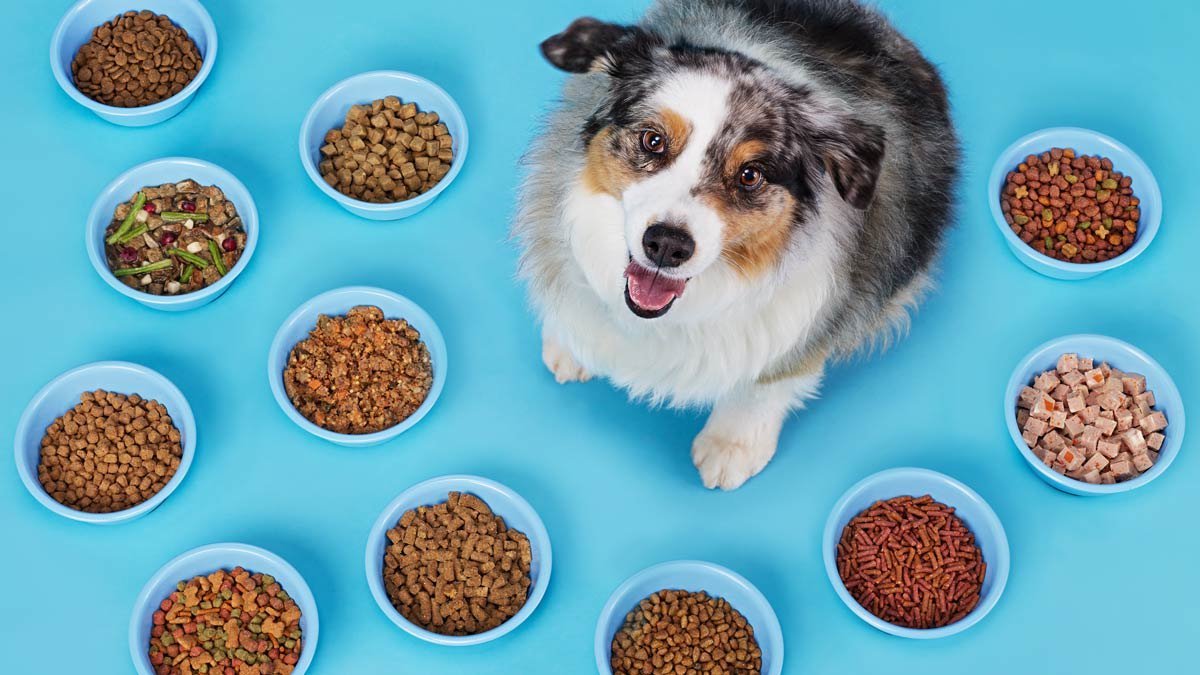
- Check the label for an AAFCO statement confirming the food is complete and balanced for the dog’s life stage.
- Puppies need higher protein and fat levels compared to adult dogs to support their rapid growth and development.
- Large breed puppies require specific formulas to manage growth rates, which helps prevent long-term joint and bone issues.
- Feed your dog based on their current body weight and activity level, adjusting portions if they begin to gain excess weight.
- Always provide fresh, clean water in a bowl that you wash daily to prevent bacteria buildup in the drinking area.
Why nutritional standards matter
The primary reason to choose a diet based on AAFCO standards is that these guidelines ensure your dog receives the essential amino acids, vitamins, and minerals required for daily health. Manufacturers following these protocols perform nutrient analysis or feeding trials to guarantee the product is safe for long-term use. If you’re unsure if a brand meets these requirements, look at the back of the bag; the AAFCO statement is mandatory for commercial pet food in the United States. This AAFCO pet food labeling guide explains how to read the packaging to verify that the ingredients provide the correct nutritional profile for your specific animal. Without this certification, a product might lack the necessary balance of calcium and phosphorus, which can lead to serious skeletal problems over time. Always check the label; some boutique brands may not perform the rigorous testing that major established manufacturers do.
Situations where requirements change
| Situation | What changes | What to do instead |
|---|---|---|
| Food allergies | Protein source | Use limited ingredient diets |
| Senior status | Calorie density | Choose lower calorie senior recipes |
| Pregnancy | Energy needs | Use high-calorie puppy formulas |
| Kidney issues | Phosphorus levels | Consult your veterinarian for prescription |
| High activity | Fat percentage | Select performance-grade working dog food |
How to manage your dog’s diet
- Read the feeding guide on the bag to find the recommended daily amount based on your dog’s current weight.
- Use a standard measuring cup for every meal to ensure you aren’t accidentally overfeeding or underfeeding your pet.
- Divide the total daily amount into two separate meals to keep your dog satisfied and help maintain their energy levels.
- Monitor your dog’s weight weekly by feeling their ribs; you should feel them easily without pressing hard through thick fat.
- If you decide to switch brands, mix the new food with the old one over seven days to avoid stomach upset.
- Start by using 25% new food and 75% old food, then increase the new portion gradually until the transition is complete.
Common feeding mistakes to avoid
- Feeding human leftovers can lead to nutritional imbalances and dangerous weight gain, as these foods often contain too much salt or fat.
- Overlooking the calorie count on the bag often leads to obesity, which puts unnecessary stress on your dog’s heart and joints.
- Changing food types too quickly without a transition period frequently causes vomiting or diarrhea in dogs with sensitive digestive systems.
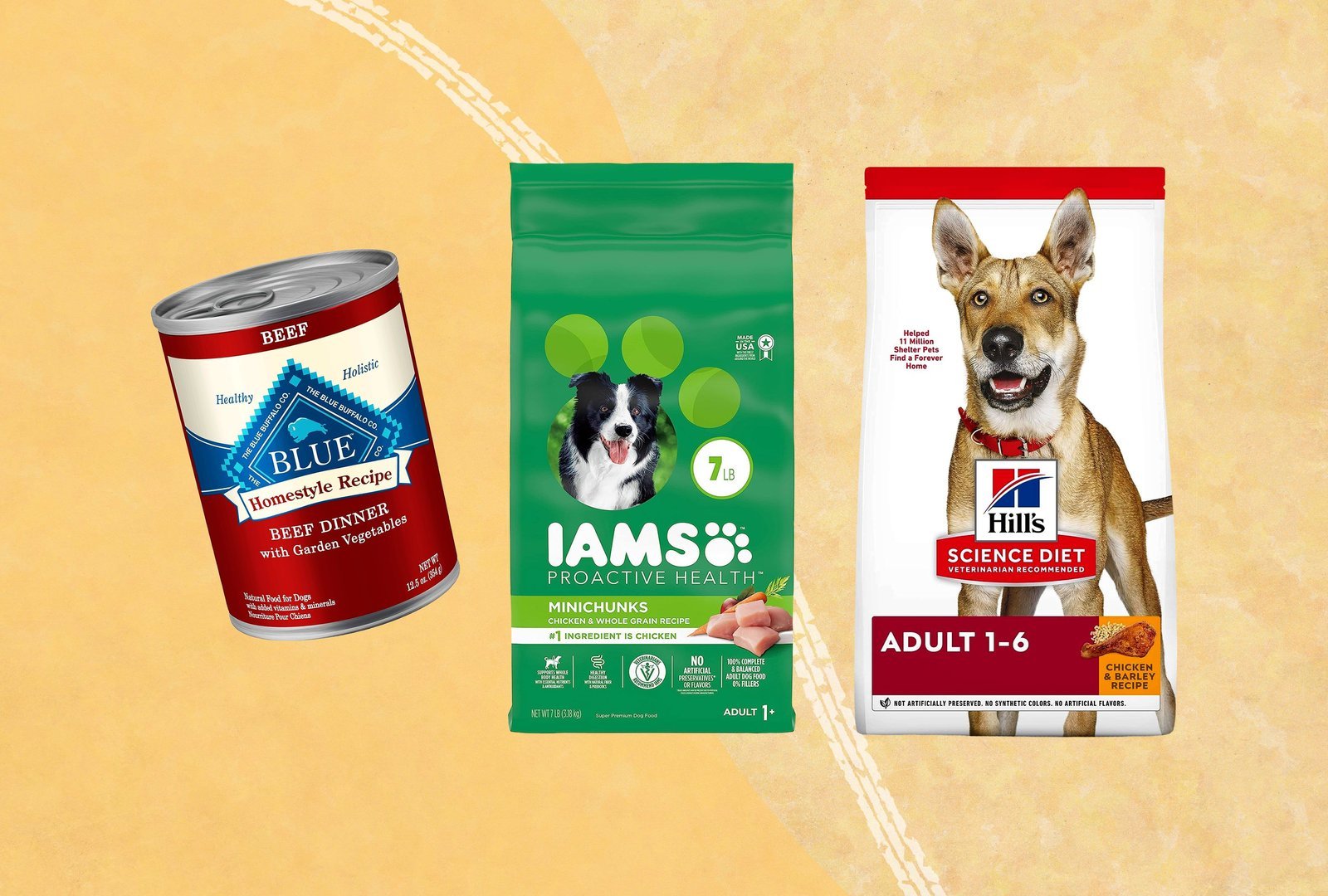
- Trusting marketing buzzwords like “natural” or “grain-free” instead of checking the AAFCO nutrient profile can leave your dog without necessary minerals.
Does my dog need a grain-free diet?
No, most dogs don’t require a grain-free diet unless they have a confirmed allergy to a specific grain. Grain-free options don’t provide extra health benefits for the average pet, and you should only switch if your vet recommends it.
How much should I feed my puppy?
You should follow the feeding chart on your specific puppy formula, as caloric density varies significantly between brands. Start at the lower end of the recommended range and adjust the amount if your puppy appears too thin or gains weight too quickly.
Is raw food safer than dry kibble?
No, raw food isn’t safer and often carries a higher risk of bacterial contamination like Salmonella for both the dog and the owner. Dry kibble is processed at high temperatures, which significantly reduces the presence of harmful pathogens compared to raw meat diets.
How often should I wash my dog’s food bowl?
You should wash your dog’s food and water bowls regularly with hot, soapy water to prevent the growth of bacteria and biofilm. This simple habit keeps the feeding area sanitary and protects your pet from unnecessary stomach infections.
Can I feed my dog once a day?
Yes, you can feed a healthy adult dog once a day, but splitting the meal into two portions is often better for digestion. Feeding twice daily helps prevent hunger and keeps blood sugar levels more stable throughout the day.
What should I do if my dog stops eating?
If your dog refuses to eat for more than 24 hours, you should contact your veterinarian immediately. A sudden loss of appetite is often a sign of illness, and you shouldn’t attempt to force-feed your pet without professional advice.
Does the price of dog food indicate quality?
No, the price doesn’t always indicate quality, as some expensive brands spend more on marketing than on nutritional research. Focus on the AAFCO statement and the reputation of the manufacturer rather than the cost per bag.
Feeding your dog a consistent, balanced diet is the best way to support their long-term health and energy levels. By checking the nutritional labels and monitoring your pet’s physical condition, you ensure they stay happy throughout every life stage.
Dog food, in short
Choosing the right meal isn’t just about labels; it’s about seeing your companion thrive every single day. Don’t hesitate to reach out to your vet if you’re feeling unsure about your current choice. They’ll help you pick a bowlful that’s perfect for your pup’s health, so you’ve got many happy years ahead.
Related guides