
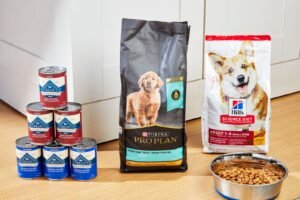
The healthiest and safest dog food is a diet formulated to meet the AAFCO Dog Food Nutrient Profiles which ensure your pet receives a complete and balanced intake of essential vitamins, minerals, and proteins. Choosing a product with this label is the most reliable way to maintain your dog’s long-term health.
Ignore marketing terms like “natural” or “holistic,” which lack legal definitions. Avoid choosing food based on ingredient lists without verifying if the manufacturer performs feeding trials or employs a veterinary nutritionist.
Choosing the healthiest and safest food
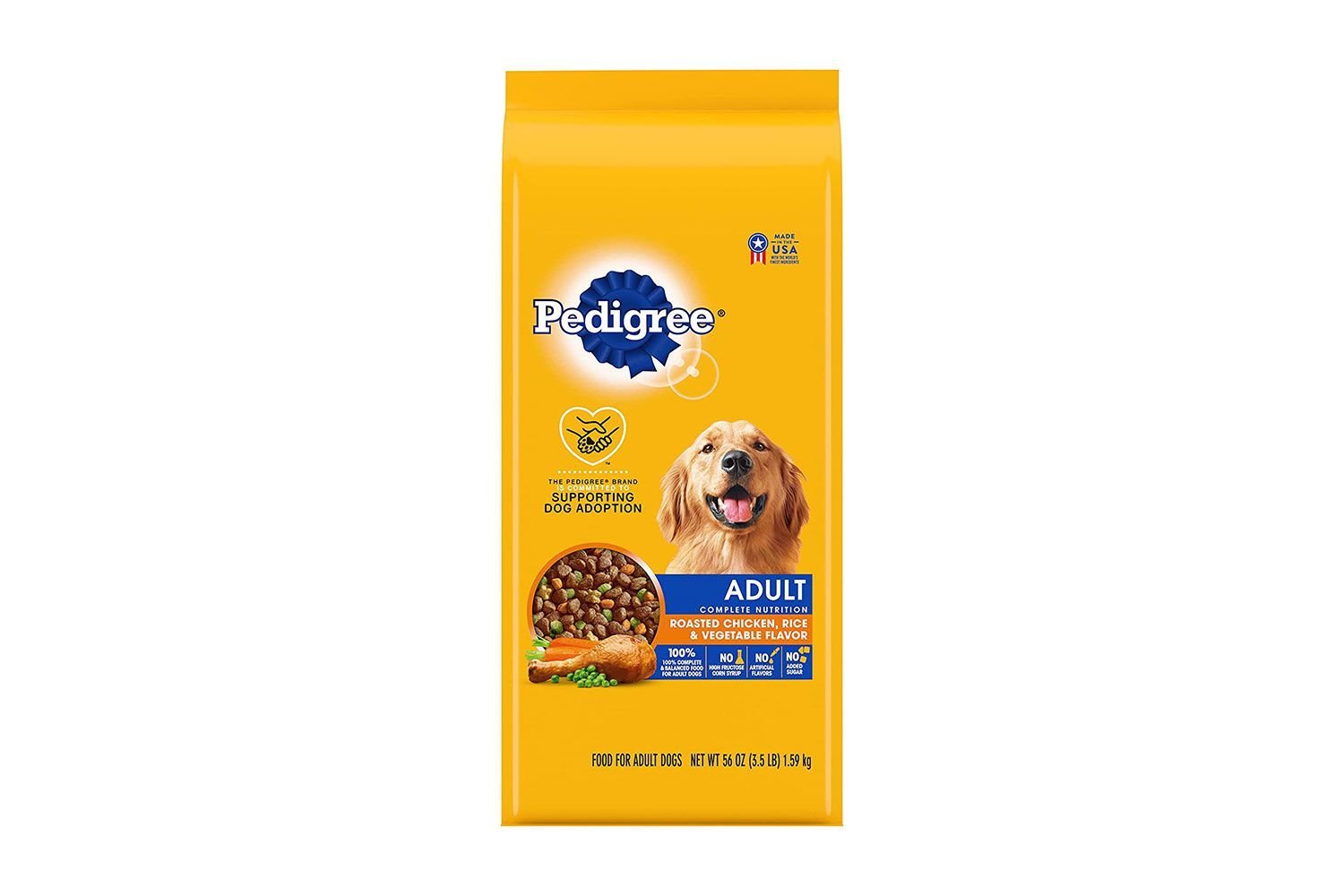
- Check the packaging for an AAFCO adequacy statement that confirms the food is complete and balanced for your dog’s specific life stage.
- Verify the manufacturer’s history for voluntary recalls by checking the official database maintained by the U.S. Food and Drug Administration.
- Contact the company directly to ask if their recipes are analyzed by a board-certified veterinary nutritionist rather than just a computer algorithm.
- Transition your dog to the new food over seven to ten days by mixing increasing amounts of the new food with the old to prevent digestive upset. Tip: If your dog has a sensitive stomach, extend this transition period to fourteen days to ensure their gut microbiome adjusts properly.
- Store dry kibble in its original bag inside an airtight container to preserve freshness and prevent fat oxidation. Tip: Never pour kibble directly into a plastic bin, as the oils can turn rancid and harbor bacteria over time.
- Consult your veterinarian before choosing specialized diets, such as grain-free or raw, as these may not be suitable for every breed or health condition.
Feeding Schedule Variations
Feeding requirements change based on your dog’s activity level, age, and breed size. These estimates assume a standard, healthy adult dog; for puppies or senior dogs, consult your vet to adjust caloric intake by ten to twenty percent.
| Situation | Feeding Frequency | Portion Control | What to watch for |
|---|---|---|---|
| Active Adult | Twice daily | Measured by weight | Energy levels |
| Sedentary Senior | Twice daily | Reduced by 15% | Weight gain |
| Working Breed | Three times daily | Increased by 20% | Muscle condition |
| Toy Breed | Three times daily | Small, frequent meals | Blood sugar drops |
If your dog leaves food, reduce the portion size to prevent overfeeding.
Assessing Nutritional Success
Monitor your dog’s physical condition to track if the diet is working. A healthy dog should have a shiny coat, firm stools, and stable energy levels throughout the day. If you notice dull fur, chronic itching, or sudden changes in weight, these are signs that the current diet may not be meeting their specific needs. A body condition score evaluation by your veterinarian objectively measures if the food provides the correct fuel.
Common Nutritional Errors
- Assuming human food is safe: Many items like onions, grapes, and chocolate are toxic to dogs even in small amounts. Always check a reliable toxicity list before sharing table scraps with your pet.
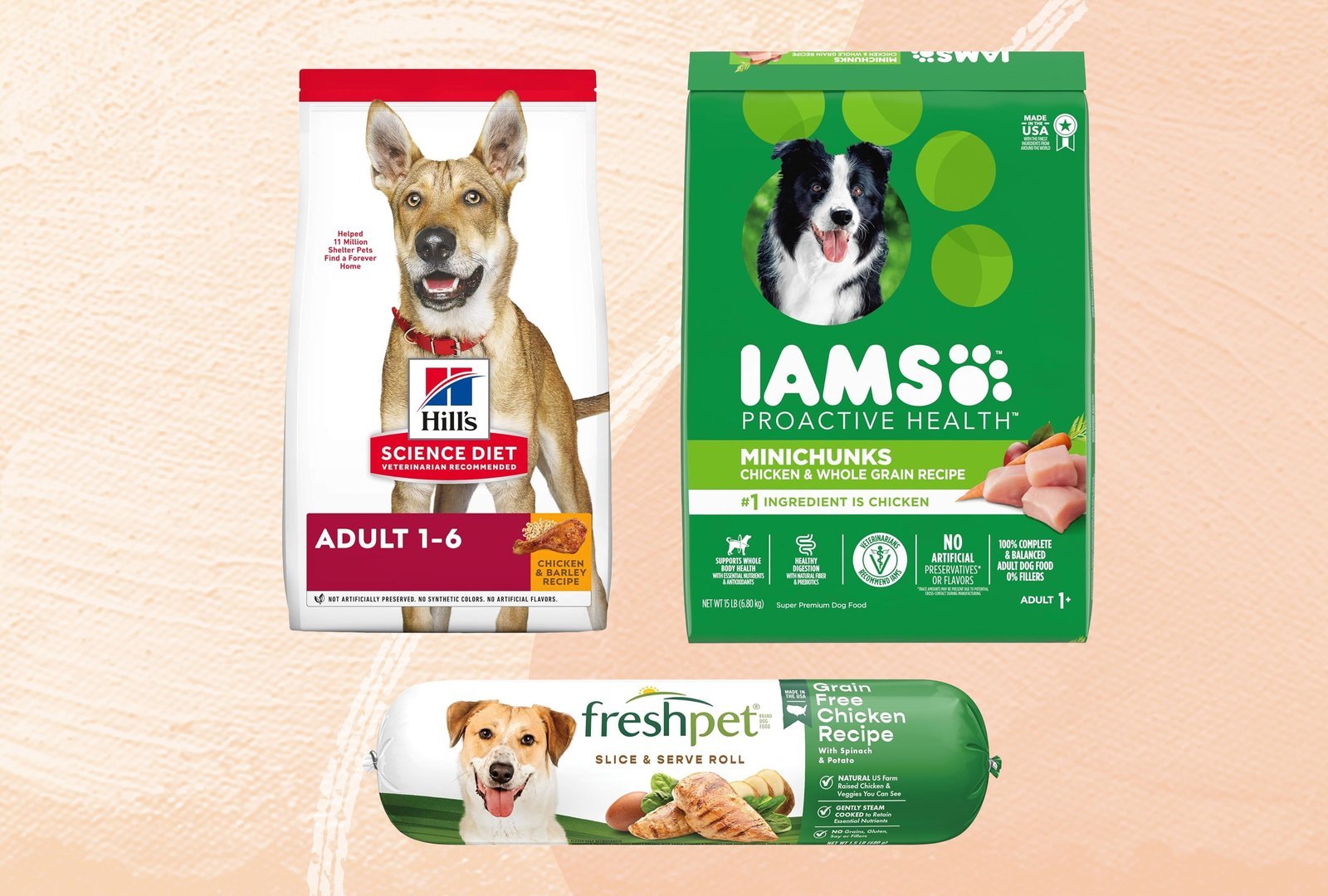
- Over-relying on ingredient lists: A long list of “premium” ingredients doesn’t guarantee digestibility or nutritional balance. Focus on the manufacturer’s credentials and the AAFCO statement instead of the marketing buzzwords on the front of the bag.
- Ignoring calorie density: Many owners feed based on volume rather than calories, which leads to obesity. Use a standard measuring cup and follow the feeding guidelines on the bag as a starting point, then adjust based on your dog’s actual weight.
Frequently asked questions
Is grain-free food better for dogs?
No, grain-free food isn’t inherently better and has been linked to specific heart issues in certain breeds. Unless your veterinarian has diagnosed a specific grain allergy, a diet containing high-quality grains is often safer and more balanced for long-term health.
How much should I feed my dog?
You should feed your dog based on the calorie density of the specific food and their target body weight. Check the manufacturer’s guidelines on the package, then adjust the amount based on your dog’s activity level and vet recommendations.
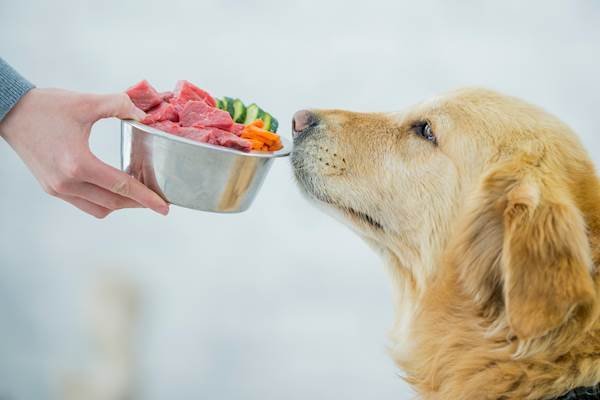
Is raw food safer than kibble?
No, raw food diets carry a higher risk of bacterial contamination like Salmonella and Listeria that can affect both the dog and the human family. Kibble is processed at high temperatures, which significantly reduces the risk of foodborne pathogens compared to raw meat.
How long does dry dog food stay fresh?
Dry dog food stays fresh for about four to six weeks after the bag is opened if stored properly. To maintain quality, keep the food in its original bag inside a cool, dry, and airtight container away from direct sunlight.
Can I mix wet and dry food?
Yes, you can mix wet and dry food to improve palatability for picky eaters. Just ensure you calculate the total calories from both portions to avoid overfeeding, as dry kibble is significantly more calorie-dense by weight than wet food.
What happens if I change my dog’s food too fast?
Changing food too quickly often causes digestive upset, including vomiting, diarrhea, and gas.
Healthiest safest, in short
Your choice of dog food is a daily decision that directly impacts your pet’s longevity and quality of life. By prioritizing scientific formulation and consistent feeding habits, you provide the best possible foundation for their health. Always discuss major dietary changes with your veterinarian, as they can provide guidance tailored to your dog’s unique medical history and lifestyle needs.