
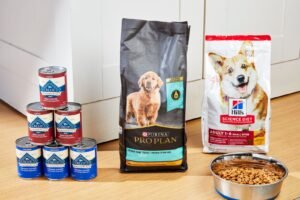
What is the best nutritional dog food? It is any product that meets the Association of American Feed Control Officials (AAFCO) standards for complete and balanced nutrition for your dog’s specific life stage. You must check the label for this specific nutritional adequacy statement.
Understanding nutritional dog food requirements

- Look for a statement on the label confirming the food is complete and balanced for the dog’s life stage, such as “growth,” “adult maintenance,” or “all life stages.”
- If you feed a puppy an adult formula, they may lack the specific proteins and minerals needed for proper bone and organ development.
- Always transition your dog to a new food by mixing it with the old food over 7 to 10 days to prevent digestive upset.
- Keep fresh water available at all times, as dry kibble contains less than 10% water and can’t provide the hydration your dog needs.
- Consult your veterinarian before choosing specialized diets, such as grain-free or raw, because these options aren’t necessary for most healthy dogs.
Why nutritional standards matter for pets
The science of canine nutrition relies on precise ratios of amino acids, fatty acids, vitamins, and minerals that support biological functions. A balanced diet prevents deficiencies that can lead to skin issues, weak bones, or poor immune responses over time. The AAFCO doesn’t regulate pet food directly but establishes the nutrient profiles that companies must meet to label a product as “complete and balanced.” You can verify these requirements through the Association of American Feed Control Officials guidance on pet food labels.
If you choose a product without this certification, you risk providing a diet that lacks essential nutrients. This isn’t a matter of brand marketing or premium pricing; it’s about meeting the minimum biological requirements for your pet. If your dog has a known health condition, your vet may suggest a prescription diet that follows specific therapeutic nutrient profiles not found in standard retail bags.
Adjusting for specific canine needs
| Situation | What changes | What to do instead |
|---|---|---|
| Puppy growth | Calorie and protein density | Choose “Growth” or “All Life Stages” |
| Senior dogs | Metabolic rate slows down | Switch to lower-calorie senior formulas |
| Food allergies | Protein or grain sensitivity | Use limited-ingredient or hydrolyzed diets |
| High activity | Energy demand increases | Feed high-performance working dog formulas |
| Pregnant dogs | Nutrient density requirements | Feed high-calorie puppy development food |
What is the best nutritional dog food for your pet?
- Read the back of the bag for the AAFCO statement to ensure it matches your dog’s current age.
- Weigh your dog to determine the correct portion size, as overfeeding causes obesity and joint stress in many breeds.
- Measure food using a standard cup rather than guessing, as small extra amounts lead to rapid weight gain.
- Store dry food in its original bag inside a sealed plastic container to keep fats from going rancid.
- Check the expiration date on every new bag you buy to ensure the vitamins haven’t lost their potency.
- Monitor your dog’s stool quality and coat shine; these are the best indicators that the food is working.
Common mistakes that impact health
- Changing brands too quickly often causes severe diarrhea or vomiting, which leads to dehydration.
- Adding too many table scraps dilutes the balanced nutrition of the main meal, causing potential mineral imbalances.
- Buying food based on marketing buzzwords like “ancestral” or “human-grade” ignores the actual nutrient analysis on the label.
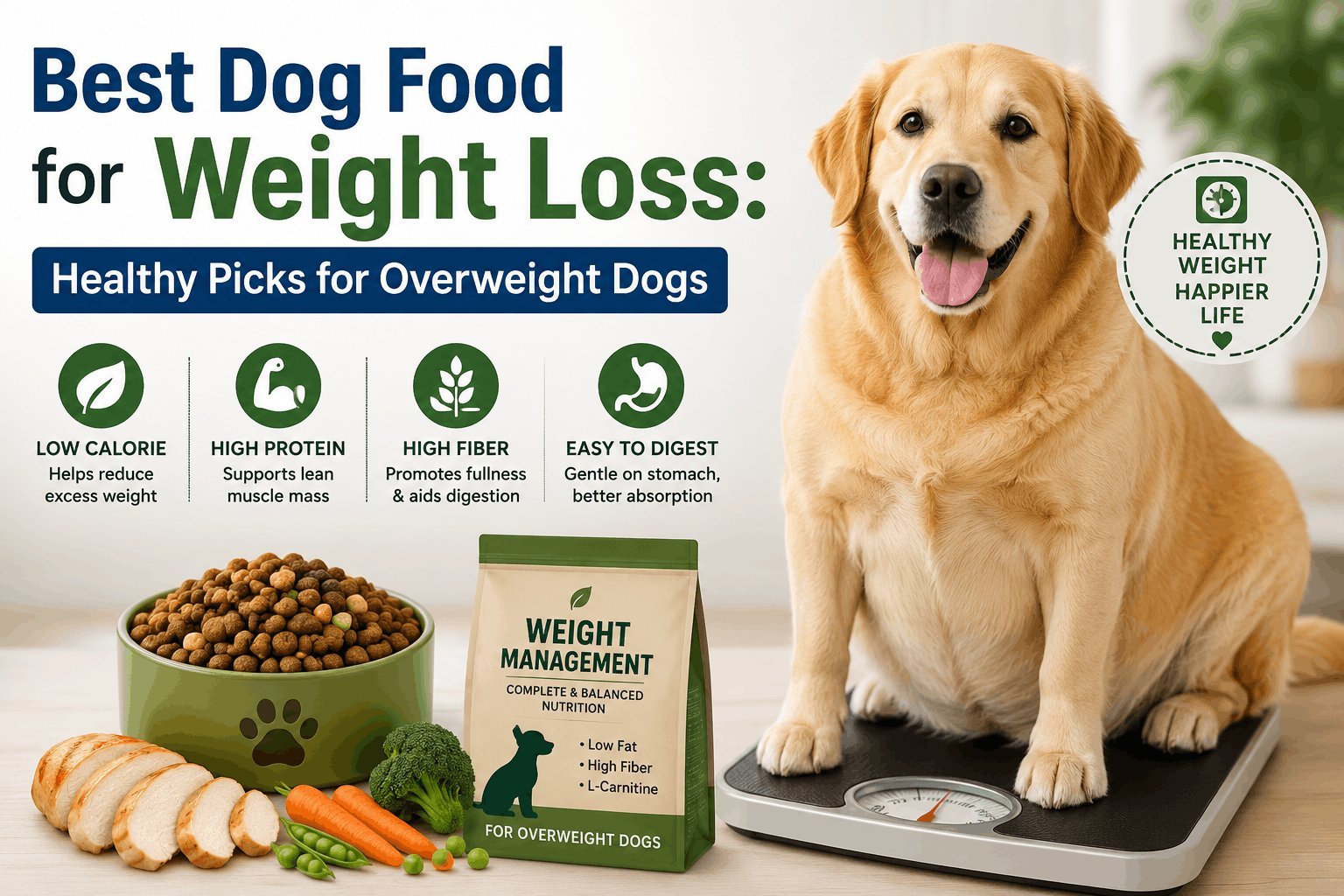
- Ignoring portion guidelines on the package leads to obesity, which is the most common health issue in modern pets.
Frequently asked questions
Can I feed my dog human food?
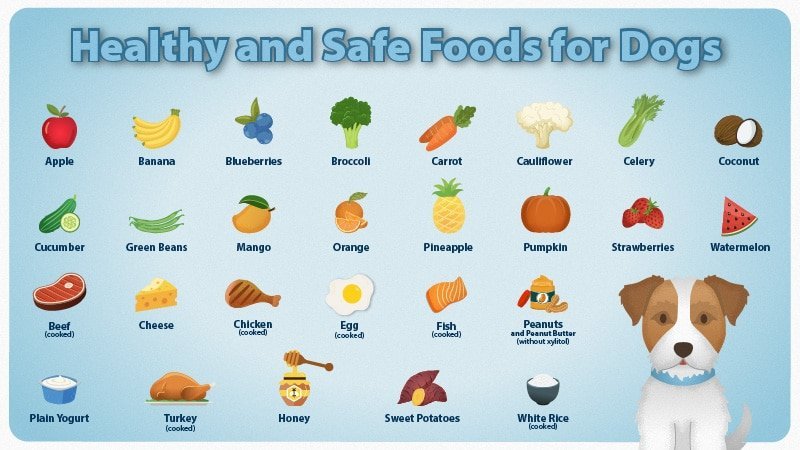
No, human food isn’t formulated to meet canine nutrient profiles and often contains ingredients like onions or garlic that are toxic to dogs. Use commercial dog food for the vast majority of your dog’s daily calories to ensure balance.
How do I know if my dog is allergic to their food?
Chronic ear infections, itchy skin, and recurring digestive issues are the most common signs of a food allergy. If you suspect an allergy, work with your veterinarian to perform a strict elimination diet trial to identify the specific trigger ingredient.
Does grain-free food provide better nutrition?
No, grain-free diets don’t provide superior nutrition for the average dog and aren’t recommended unless a veterinarian diagnoses a specific grain allergy. Most healthy dogs process grains efficiently and use them as a stable source of energy.
How often should I change my dog’s food?
You shouldn’t change your dog’s food unless they develop a health issue or reach a new life stage. A consistent, high-quality diet is better for a dog’s digestive system than rotating through different brands or flavors.
Is wet food better than dry food?
Wet food is better for dogs that don’t drink enough water, but it’s more expensive and harder to store once opened. Both types are equally nutritious if they carry the AAFCO statement for the correct life stage of your dog.
What happens if I overfeed my dog?
Overfeeding leads to obesity, which increases the risk of diabetes, heart disease, and arthritis in dogs. Use the feeding chart on the bag as a starting point, but adjust the amount based on your dog’s body condition and activity level.
How long does an open bag of dry food stay fresh?
An open bag of dry food typically stays fresh for four to six weeks when stored in a cool, dry place. Always seal the bag tightly and keep it inside a container to prevent moisture and pests from ruining the kibble.
Nutritional dog, in short
Choosing the right bowl of food is a simple act of love that pays off in your dog’s energy and health. Since every pup is unique, you should talk to your vet about your pet’s specific needs. They’ll help you find a high-quality option that’s perfect for your furry friend’s lifestyle.