
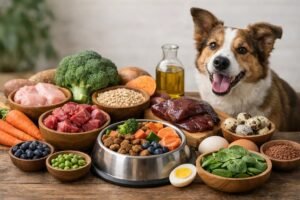
The best ingredients for dog food to ensure your pet stays healthy are whole animal proteins, healthy fats, and complex carbohydrates. These components must provide a balanced profile of amino acids, vitamins, and minerals that meet your dog’s specific life stage.
What is the best ingredients for dog food to choose?

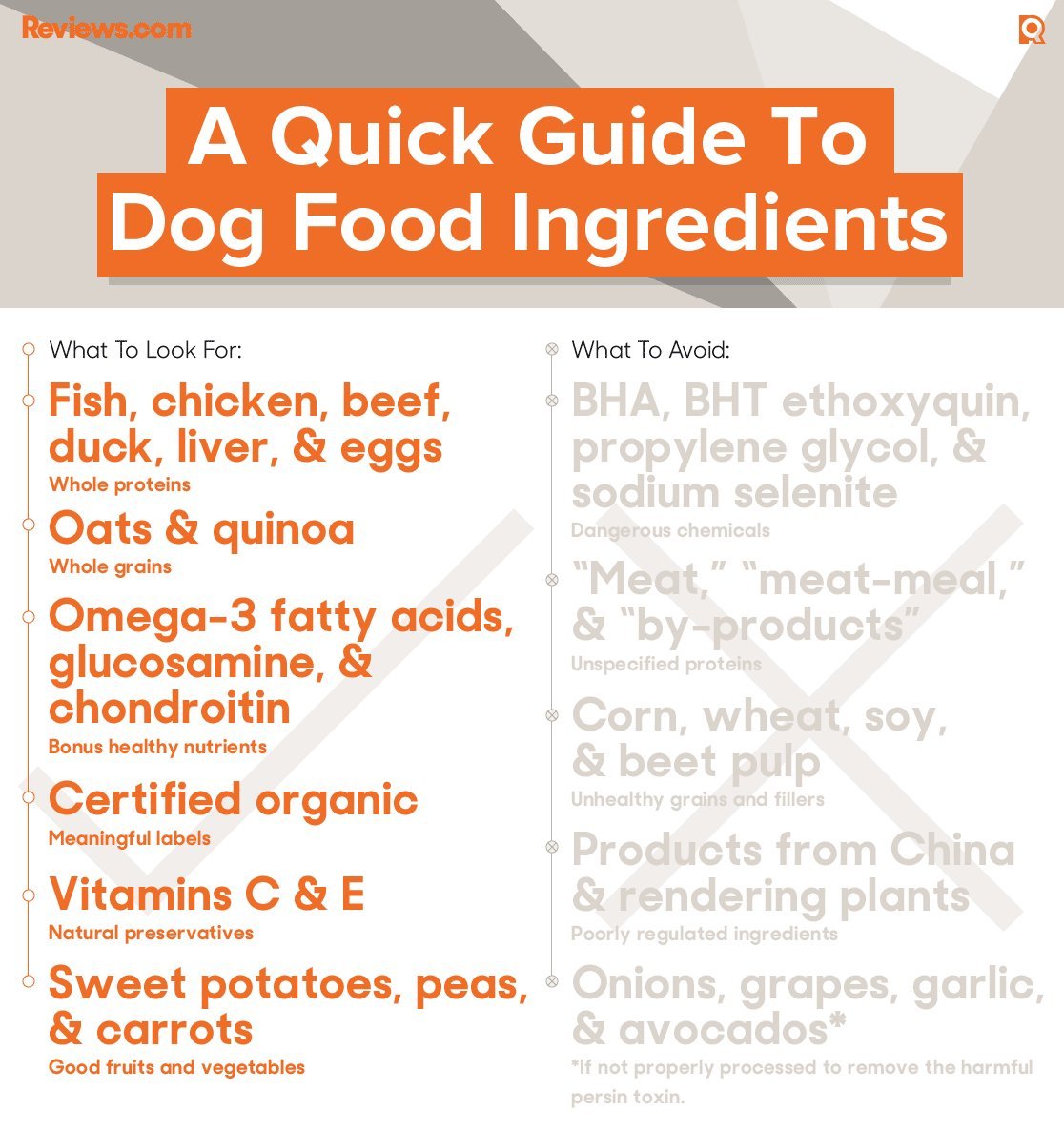
- Animal-based protein: Look for named meat sources like chicken, beef, or salmon as the first ingredient to ensure high bioavailability.
- Healthy fats: Omega-3 and omega-6 fatty acids from fish oil or flaxseed support skin health and a shiny coat.
- Complex carbohydrates: Ingredients like brown rice, oats, or sweet potatoes provide steady energy without causing rapid blood sugar spikes.
- Fiber sources: Beet pulp or pumpkin assist with digestion and stool quality, provided they’re included in moderate amounts.
- Chelated minerals: These are easier for a dog to absorb than standard mineral salts, helping prevent common nutrient deficiencies.
- Natural preservatives: Use food preserved with tocopherols or vitamin E rather than artificial chemicals like BHA or ethoxyquin.
Why quality ingredients matter for dogs
The biological requirement for dogs centers on a precise balance of nutrients that support their specific metabolic needs. Unlike humans, dogs rely on a high-quality protein source to provide the essential amino acids they can’t produce on their own. When you select a diet, it’s important to verify that the manufacturer follows the nutritional standards established by the Association of American Pet Food Control Officials. These standards ensure that the food contains the correct ratio of proteins, fats, and essential micronutrients for growth or maintenance.
If a diet lacks these core elements, your dog may suffer from poor coat condition, low energy levels, or weakened immune function. Manufacturers who use whole, identifiable ingredients typically provide better nutritional density than those relying on generic “meat meal” or high amounts of fillers. Always check the label for a statement of nutritional adequacy, which confirms the food has been tested or formulated to meet these industry benchmarks.
When dietary needs change
| Situation | What changes | What to do instead |
|---|---|---|
| Puppy stage | Higher protein/calcium | Select specific puppy formulas |
| Senior dogs | Lower calorie density | Choose weight management labels |
| Food allergies | Protein source type | Switch to novel proteins |
| High activity | Increased fat content | Feed performance-based diets |
| Kidney issues | Reduced phosphorus levels | Consult your veterinarian first |
How to properly evaluate dog food
- Read the ingredient label starting from the top; a specific meat source should always be listed as the very first entry.
- Identify the source of fat, such as chicken fat or fish oil, to ensure your dog receives vital energy and healthy skin support.
- Avoid generic labels like “meat by-products” or “poultry meal” because these lack transparency regarding the actual quality of the protein source.
- Check for the AAFCO statement on the packaging, which confirms the food provides complete and balanced nutrition for your dog’s life stage.
- Look at the guaranteed analysis section to compare protein and fat percentages against the specific needs of your breed and age.
- Monitor your dog’s weight and energy levels over four weeks; if they gain too much weight, reduce the portion size by 10%.
- If you decide to change brands, mix the new food with the old over seven days to prevent digestive upset or loose stools.
The mistakes that ruin dog nutrition
- Ignoring the serving size guidelines on the bag often leads to obesity, which shortens a dog’s lifespan.
- Adding too many human table scraps disrupts the nutritional balance of the commercial diet and may cause digestive issues.
- Failing to store dry food in an airtight container causes essential fats to oxidize, making the food lose its nutritional value.
- Switching food brands too abruptly causes significant stomach distress and diarrhea for most dogs.
Frequently asked questions
Can I feed my dog a grain-free diet?
Yes, but only if your veterinarian recommends it for specific allergy reasons. Many dogs thrive on high-quality grains like oats or barley, which provide necessary fiber and nutrients that grain-free alternatives sometimes lack in the necessary amounts.
How much protein does my dog need?
Most healthy adult dogs require a diet containing at least 18% protein on a dry matter basis. This varies by individual dog — check the label for the specific percentage, as working dogs or puppies often need higher levels to support their growth.
Is raw food better than kibble?
There’s no scientific consensus that raw food is better, and it carries a higher risk of bacterial contamination. Kibble is safer for most households because it’s processed to eliminate harmful pathogens while remaining shelf-stable for long periods.
What happens if the label says meat meal?
Meat meal is a concentrated protein source that can be healthy if the source is named, such as “chicken meal.” It’s only a problem if the label uses generic terms like “meat meal” without identifying the animal species used.
How long does a bag of dry food stay fresh?
Most dry dog food remains fresh for four to six weeks after opening if stored in a cool, dry place. Always keep the food in its original bag inside a sealed container to protect the oils from turning rancid.
Does the order of ingredients matter?
Yes, the order matters because ingredients are listed by weight before processing. A high-quality food will always list a whole protein source first, followed by healthy grains or vegetables, rather than listing fillers or water-heavy ingredients at the top.
Why do some brands cost more?
Higher costs usually reflect the use of premium, whole-food ingredients and more rigorous quality control testing during production. While price doesn’t always guarantee quality, cheaper foods often rely on lower-grade fillers that provide less nutritional value per cup.
Ingredients dog, in short
Providing your dog with high-quality, whole ingredients is the most effective way to support their long-term health and vitality. By reading labels carefully and adjusting for your pet’s specific life stage, you ensure they receive the balanced nutrition they need regularly.